

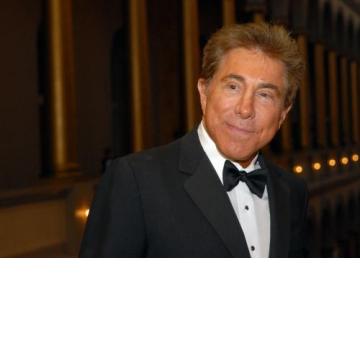
 “I think we are having a limp-wristed sort of crawl out of a hole, but a recovery is a more robust word,” the one and only Steve Wynn said earlier this week. The numbers bear him out, as tourism continues on its visit-more/spend-less trend. Gambling, so crucial to the tax base of Nevada is 26% less of visitors’ budget than it was six years ago. Overall spending is 23% off, although these newly frugal customers have their priorities: Retail is up, nightclubs are way up and DJs’ faces festoon the sides of casinos where entertainers’ visages once held sway. Clark County Commissioner Chris Giunchigliani speaks for many of us in the older generation who are baffled by the nightclub bubble (if that is indeed what it is): “I don’t know where these young people get the money for that — it’s just amazing to me.”
Maybe Gary Loveman is right. Perhaps gaming is old hat, and dining and retail are the wellsprings of Vegas’ future. After the apogee of 2007, we’re nowhere near matching the spending levels that took place back then (which raises interesting questions about future investment, particularly how much is advisable). Perhaps 2007 was to Las Vegas what 2006 was to Atlantic City: a high-water market which will never be regained. That’s not to suggest that we’ve experienced anything like the Boardwalk’s rapid downfall. But Big Gaming, by wanting to be in as many “convenience” markets as possible and trying to open so many states to casino gambling, has taken away a fair degree of the incentive to visit Vegas. Thanks, guys.
 That’s a view seconded by Steven Brown, director of UNLV‘s Center for Business & Economic Research, who tells the New York Times, “I think what’s going on here is we’re seeing a shift away from Las Vegas as the only gaming destination in the United States to being one of many gaming destinations. But it is holding up as a tourist destination.” There are also fears of a second bubble in the home market — and the locals-casino market is still hurting, even as the Strip returns to normal. And that ‘normal’ will have to be downsized. As I’ve often said, 2007 isn’t coming back. Or, as Applied Analysis analysand Jeremy Aguero puts it, “Are we better? Yes. Are we good? No.”
I’d agree with that.
The Massachusetts Derby: As the election dates draw nigh, the Boston Globe‘s Mark 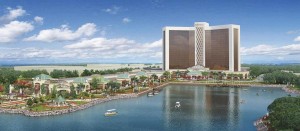 Arsenault breaks down where the 11 applicants stand. Both Cordish Gaming and Neil Bluhm‘s Rush Street Gaming have received passing grades from the Massachusetts Gaming Commission. But Plainridge Racecourse nearly flunked after it was revealed that a former president had been pilfering the till. None of the five slot-parlor candidates has been approved by voters yet. Ditto the six applicants in the Boston and western Massachusetts regions. In the meantime, the MGC continues to run background checks on the probity of all applicants save Cordish and Rush Street. When decision time comes, the key criteria will include liquidity (which could be a big hurdle for MGM Resorts International, Caesars Entertainment, Mohegan Sun and Foxwoods Massachusetts). Then there’s the indefinable “wow” factor. Mohegan has it, as does MGM and of course Wynn Resorts because we’re talking about Steve Fucking Wynn here. Everybody else needs to work on that “wow” thing, though.
