

Our friends Big Caesars and Little Caesars are back in the news again. Caesars Growth Partners (Little Caesars) has agreed to spend $2.2 billion to obtain Bally’s Las Vegas, The 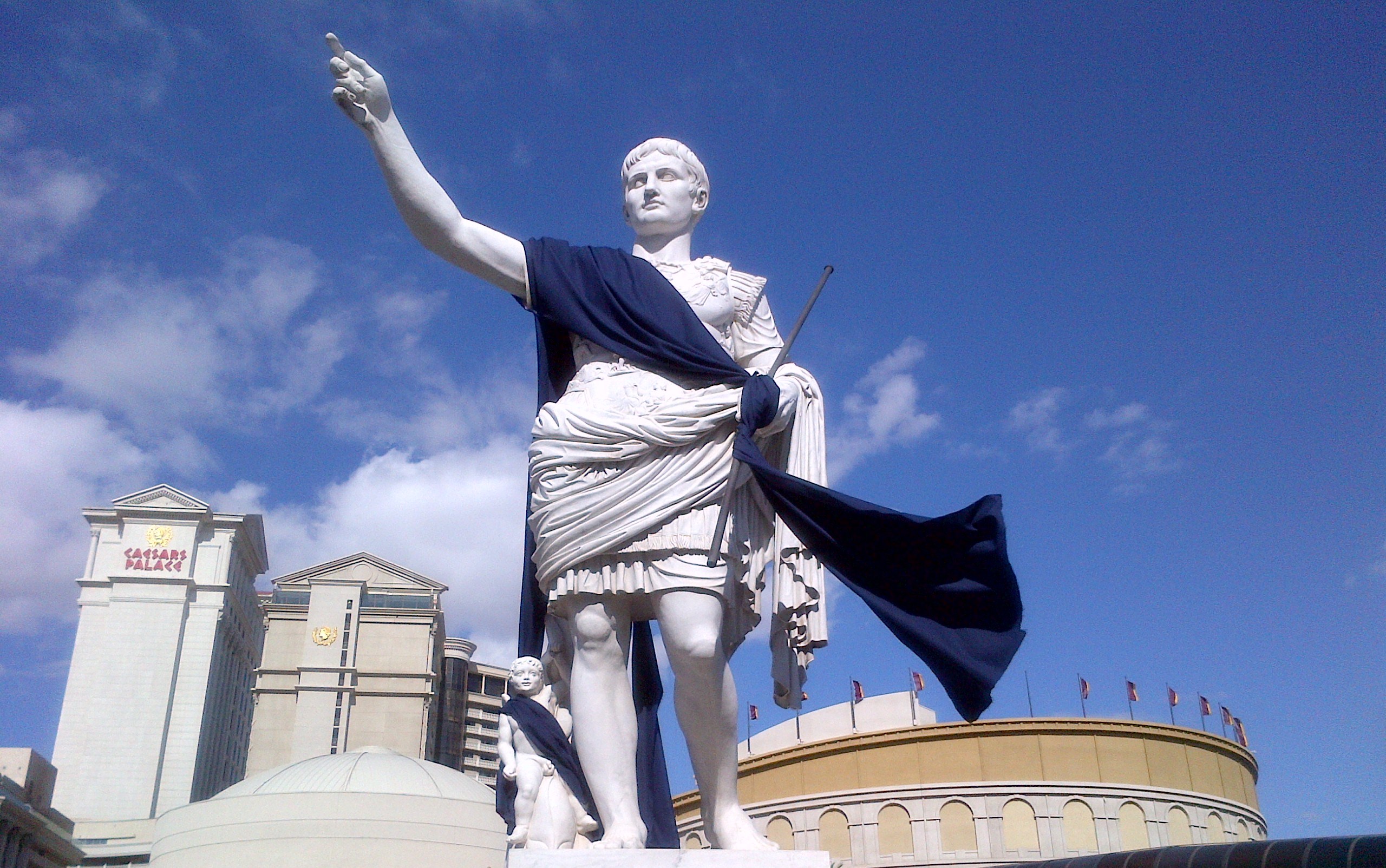 Cromwell, The Quad and Harrah’s New Orleans. The price includes $185 million of debt assumption and $223 million in capex costs, leaving $1.8 billion in cash, ostensibly to retire debt — of which there is still $21 billion, worrisome to bond markets. Writes Big Caesars, “These actions are part of ongoing efforts to address Caesars Entertainment Operating Company, Inc.’s … overall capital structure and position that subsidiary of Caesars Entertainment … to enhance equity value.” There were also several clouds of self-congratulatory verbiage from CEO Gary Loveman, of which the only straightforward remark was, “Today’s asset sales mark an important step in our ongoing efforts to repair [Caesars Entertainment’s] balance sheet.”
On a conference call, however, Loveman was still in Big Spender mode, bragging, “We have a lot of latitude in how proceeds of this magnitude will be spent.”
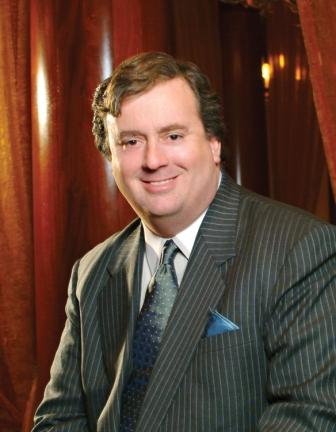 The stated purpose of the deal is to “enhance liquidity” at Big Caesars, which will continue to manage the four properties in question. It will also pay itself a management fee. “This asset sale will also facilitate new investment in these properties, some of which require considerable capital expenditures to realize their full potential as part of Caesars’ network at the center of the Las Vegas Strip,” which I take to mean Little Caesars has easier access to capital than Big Caesars, so the heavy lifting will be left to Junior. The deal leaves Big Caesars with $3.2 billion in cash on hand and no further capex obligation to the four properties in question.
In further investor guidance, Caesars warned of a 4Q13 net loss between $1.7 billion and $1.8 billion, against cash flow of $395 million to $415 million. “Growth” at Caesars Interactive is touted but so far there’s been no excitement on that front. “Significantly larger impairments of tangible and intangible assets” are blamed for the heavy losses.
Six more months: That’s how long Wisconsin Gov. Scott Walker (R) wants to postpone his decision on a Menominee casino. It’s a stark contrast to the fast-track process he was on in the 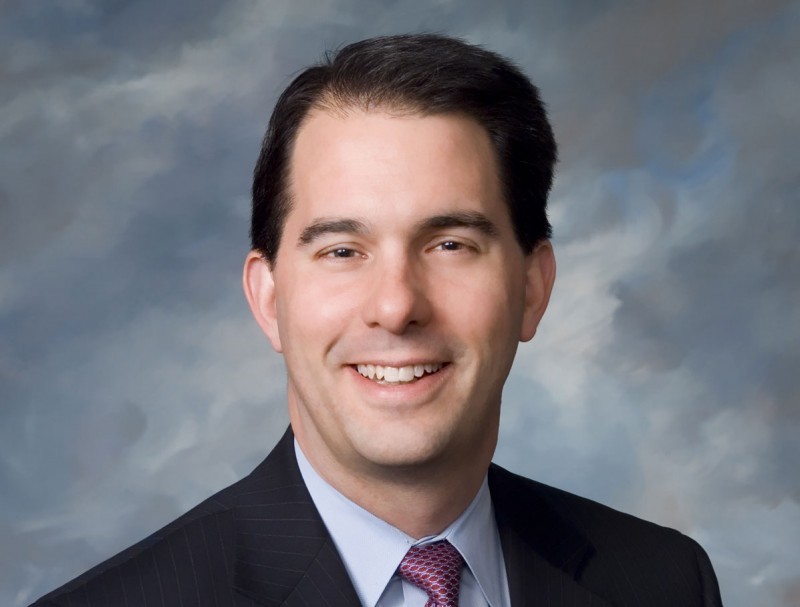 early going. He wants until Aug. 23 to “develop and analyze independent data, and facilitate discussions with the interested parties.” In case you’ve forgotten (so slow has the procedure become), the Menominee Tribe wants to develop a Hard Rock Hotel-branded casino at the Dairyland dog track in Kenosha. Although the proposal flunked two of Walker’s three main criteria, he has stayed his hand from vetoing, resorting instead to a series of delays, including an economic-impact analysis. Whatever the outcome, nobody will be able to say in the end that Walker acted rashly. On the flip side, if he’s trying to neutralize it as an election-year issue, the longer he delays the more of an issue it becomes.
Macao had its best month ever, as Chinese New Year-driven gambling spurred a 40% increase in casino revenue. It booked $4.8 billion — in the shortest month of the year. Las Vegas Sands had the biggest share of table game action: 25%.

So Caesars sells some of itself to itself? Now bet they will declare that money income. This sounds a little like Enron accounting?!
It’s reassuring that some things never change: ol’ Gutboy Barrelhouse (Loveman) is still lying through his teeth about the fiscal health of CET, a company that responds to slowdowns in revenue by raising prices and cutting back on customer service. Surely a couple billion could be saved just by scaling back Gutboy’s catered lunches.