

Pennsylvania‘s one-and-one-third rule for casino ownership is playing hob with applications for the state’s final casino license, in Philadelphia. For instance, frontrunner Market 8 would be one-quarter owned by the ubiquitous Ira Lubert, who already owns half of Valley Forge Casino Resort and 3% of Rivers Casino. (Mohegan Sun owns 16%.) There’s an obvious conflict presented by the proximity of Parx Casino, put thusly but the attorney for Joseph “Tomato King” Procacci, “To give Parx a casino license in South Philadelphia while they have one sitting right on top of the northern tip of Philadelphia would be essentially granting them a monopoly over Philadelphia gambling.”
 Agreed. Also, the Parx ownership structure has trouble passing the smell test. Yes, Cordish Gaming has a 50% stake but Greenwood Racing principal Watche “Bob” Manoukian divvied his half of the project between Parx and a trust for his sons … controlled by Manoukian. But the arrangement that most noxiously fails the smell test is Penn National Gaming‘s decorative nonprofit partner. According to the Philadelphia Inquirer, the tax-exempt stalking horse, er, partner would get two-thirds of net cash flow. “That’s the amount left after management fees paid to Penn National, rent paid to a landlord, licensing and branding fees to use the Hollywood Casino name, plus debt service. Penn National would collect $278 million during the first 15 years, towering over the $115 million for the nonprofit, according to projections from the Philadelphia Controller’s Office.” This is the lone Philly casino proposal that has stunk to high heaven from Day One.
At any rate, Penn’s lack of a central location may tell heavily against it and regulators may want to diversify ownership in the Keystone State, not concentrate it. In fairness, it must be said that the Pennsylvania set it itself up for this when it gave both the Pittsburgh and the first Philadelphia license to politically connected Neil Bluhm, instead of rebidding the Pittsburgh one when Don Barden crashed and burned.
Wading deeper in to the quagmire that is Revel Resort, the State of New Jersey plans to invest $300 million with owner and hedge fund Chatham Asset Management. Supposedly the transfer of funds won’t occur until Chatham has liquidated its position in Revel but “no firm timetable” for getting out exists. The provisional decision has left Unite-Here President Robert McDevitt sputtering on the sidelines again. “I can’t think of anything that’s come out of this project that’s positive,” he fumed in a letter to the New Jersey Investment Council. Well, Atlantic City got some impressive Beyonce concerts from it, Bob.
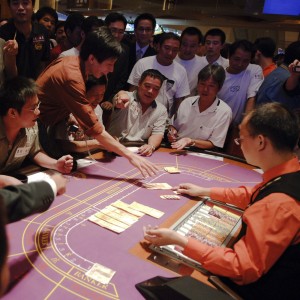 Croupier wages aren’t keeping pace with inflation in Macao, which could the cause of further labor-government tensions. Also, over a thousand table-game jobs remain unfilled, creating pressure to import more guest workers from the mainland. Employment in retail has risen 17%, which is one sign that the Macanese government’s desired economic diversification may be finally taking hold. Meanwhile, housecleaning continues at Sands China, where two more directors are stepping down, for a total of three.
If the Sioux City casino winds up getting re-bid, Ho-Chunk Inc. wants in on it. The development arm of Nebraska‘s Winnebago Tribe, it was passed over in last year’s selection of a successor to Argosy Sioux City. If Warner Gaming‘s Hard Rock-branded project, currently in progress, gets bounced, Ho-Chunk would like to catch the rebound. Said company CEO Lance Morgan, “We generally don’t like lawsuits because they are expensive and messy. However, we spent over $1 million on the bidding] process and, if it was flawed, then at the very least we need to have a seat at the table.”
