

Add James Packer to the list of casino moguls with their eyes on Japan. He’s prepared to commit $5 billion to a resort project in the Land of the Rising Sun. Officials in South Korea, unlike their Japanese brethren, aren’t waiting for a big event like the 2020 Olympics to get casino-mania. They’re already talking about a major gambling expansion in their country. Caesars Entertainment and Lippo Group recently received a preliminary license to develop a resort on Yeonjong Island, near Inchon, and at least four other areas are in play, often using landfill sites.
Some economists are skeptical about the whole thing. Caesars may have grabbed one of the few viable sites, according to Hyundai Research Institute senior boffin Kim Pil-soo. Similar views are heard from Korea Leisure Industry Institute President Seo Chun-beom. Reasons cited for a cautious approach include the currency limitations the Chinese government puts on gamblers who go to Macao, as well as the fact that Koreans themselves are barred from all but one casino in their native land.
In a development that could mean heartburn for the Macanese government, hotel-room 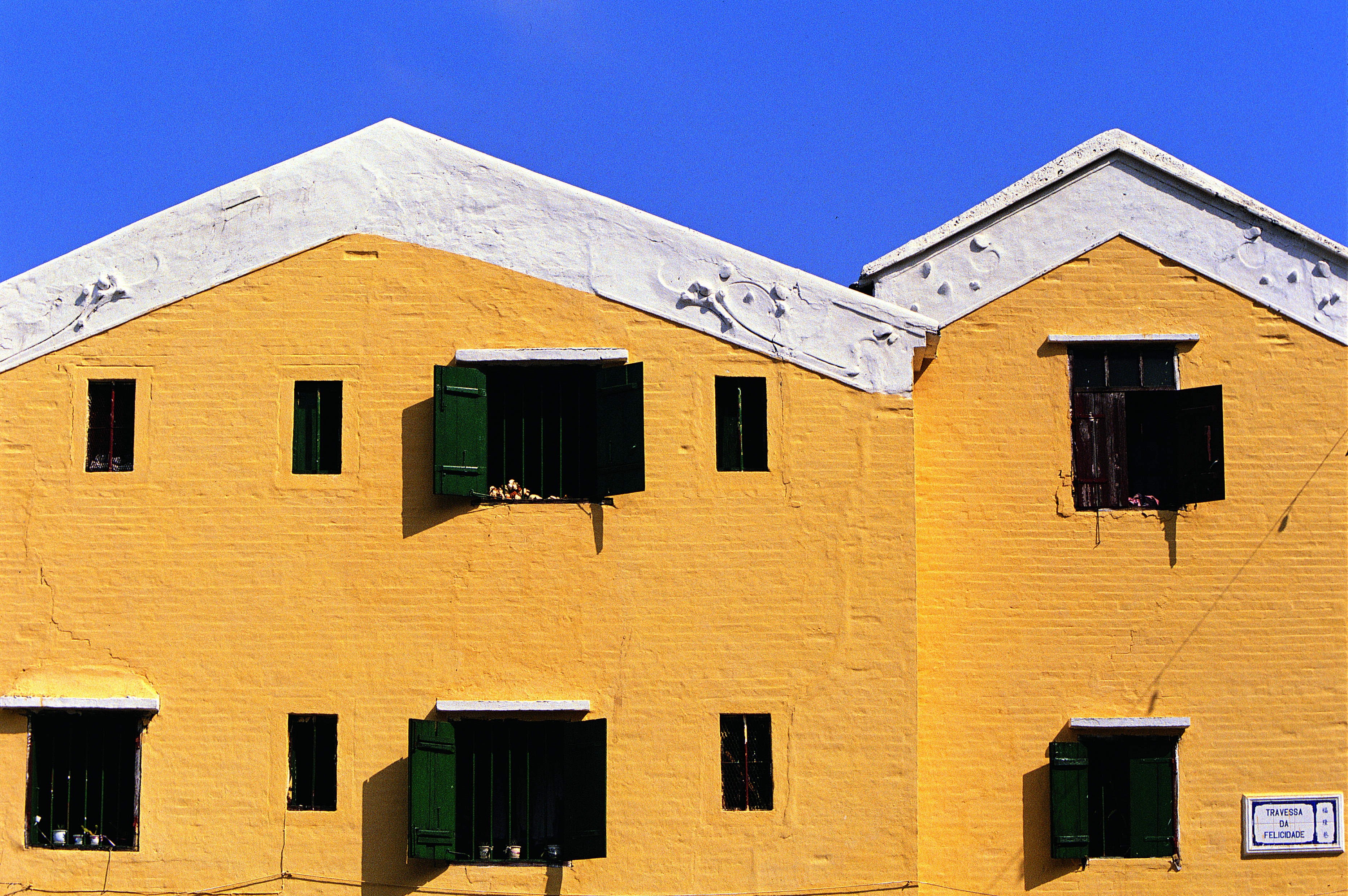 construction on the isthmus is outpacing affordable housing by more than four to one. Lamented one cab driver, “”Buying a flat? Not a chance, even if you work for your entire life.” Added a real estate professional, “Four years ago you could buy a flat with [$125,100]. Now you can’t even buy a parking space.” The news comes at a time when population growth is expected to hit 20% in two years. Reports Reuters, “In March more than 400,000 people competed for 1,900 affordable housing units with locals lining up outside Macau’s public housing bureau at 4 a.m.”
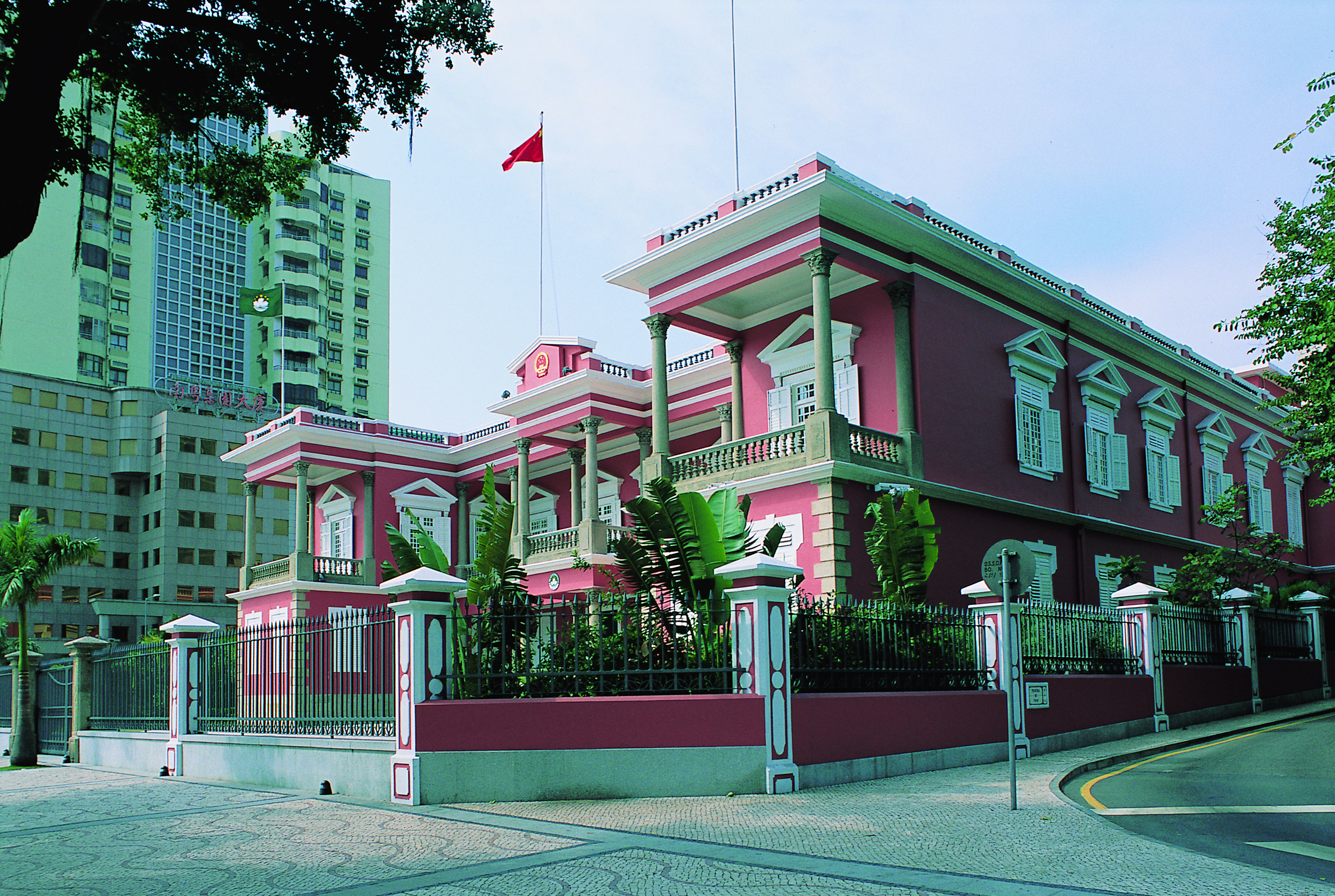 The increase in housing costs has been pegged to the rapid escalation in Macao’s casino revenues, which grow by double digits every month. In the next three years, casinos will require 12,600 new dealers alone, part of a 40,000-job increase in the workforce, but where they come from? The most common options — Hong Kong and the Mainland — are sore points with the Macanese, who balk at imported labor. MGM Grand Paradise Vice President of Linda Switzer has seen her own rent more than quadruple in seven years, which puts some extra feeling into her remark, “I have great empathy for the local Macau residents.”
The lone residential project underway, Fountainside, is described as catering to “wealthy buyers looking for a convenient place to park their gambling winnings.” As for City Hall, it hasn’t done much more than promise to be “mindful” of the situation. That’s cold comfort for a Macanese looking to put a roof over his head.
There may be just one thing that would bring Atlantic City around — if Pennsylvania casinos went completely smoke-free. A pair of Keystone State lawmakers is working on legislation to do just that. It could also help struggling casinos in Ohio, which are half non-smoking and half not. So if you want to help Atlantic City, tell state Sen. Stewart Greenleaf (R) and state Rep. Mario Scavello (R) to keep going on that Pennsylvania smoking ban.

