

 There’s no better way of convincing people you’ve got something to hide than acting like you’re hiding something. Meet Anthony Gattineri of FBT Everett Realty, who could deal a fatal blow to Steve Wynn‘s casino plans in Everett. Gattineri refuses to pledge that criminals won’t benefit from his sale of the land on which Wynn Boston would arise. Without that pledge, the Massachusetts Gaming Commission won’t approve the Wynn project. Gattineri has also lawyered up and refuses to testify before the MGC. Way to look like a sleazy operator, dude!
 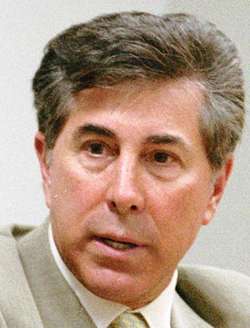 Gattineri’s omerta behavior is fueling suspicion that convicted felon Charles Lightbody is still one of the underlying landowners and would benefit from the sale — a big no-no with the MGC. (The partners have already been caught backdating documents to conceal Lightbody’s co-ownership.) Lightbody has also been taped saying he had a nearby strip club “locked up tight as a drum.” Gattineri also owes Lightbody $1 million that the latter could roll into an equity position in the land deal. It would be a thousand pities if Wynn’s project — which itself has been deemed free of suspicion — were thwarted because he tried to buy land from scumbags like Lightbody and Gattineri.
Speaking of disclosure, Schenectady Mayor Gary McCarthy‘s fan dance about a potential casino is revealing more than it hides. He says an announcement is imminent, adding, “I 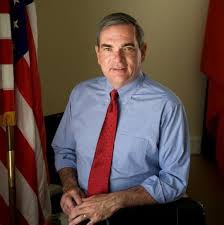 believe we’ll be doing a project that is complementary to the development that has happened downtown and in the rest of the community.” That’s got ‘casino’ written all over it. McCarthy wittily brushed aside potential opposition with “If I propose motherhood, apple pie and baseball, there will be pushback.” Whoever applies has but 12 days to get their initial fee paid and, in Schenectady’s case, it looks as though retail developer Galesi Group will be it. In that event, Galesi will have to attend a New York State Gaming Commission conference on April 30, where everybody gets to look daggers at each other while regulators lay out the next step in the process, which is currently moving like greased lightning.
It’s quite possible that the U.S. Treasury Department may ask U.S. casinos not just to track suspicious cash transactions but grill customers on the source of that cash. To get an idea 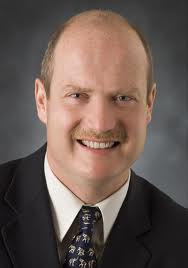 of how this regime would look, we need only turn our gaze to British Columbia. Under more stringent money-reporting requirements, the number of suspicious-transaction reports has doubled. Ironically, none of the 1,013 cases was referred for prosecution. Now Finance Minister Mike De Jong (pictured) is considering capping casino transactions at $100,000. Unlike Vegas’ casinos reportage to the federal government, their cousins in B.C. were out of compliance with Financial Transactions & Reports Analysis Centre of Canada rules from 2009-2012. So the upsurge in suspicious-transaction reports may be chalked up to simply following the regulations for a change. Other, larger cases seem to be real cause for concern.
However, if the Treasury Department and FinCen crack down on Las Vegas, to the extent threatened, the Strip could find itself buried under a blizzard of paperwork. Casinos may have been performing their due diligence but that doesn’t mean the industry couldn’t do a better job of cleaning house. Nevada has no anti-money-laundering law on the books and Deloitte Financial Advisory Services partner Fred Curry says the industry is a good 10 years behind the times in compliance with Title 31 of the Bank Secrecy Act. He also argues that tighter enforcement won’t scare off the whales, as casinos fear, saying he heard that one when banks were required to exercise greater scrutiny back in 1999.
If FinCen Director Jennifer Shasky Calvery is right that the casino industry is doing the bare minimum — reluctantly — to comply with the government, then the logical reaction would be to improve compliance with the relevant, existing laws. Empowering casinos as a posse of deputy T-Men seems like a grotesque federal overreach at this point.
