

 One of the issues that has buzzed around Las Vegas Sands like a shoo-fly is the lack of a line of succession. President/COO Michael Leven was superannuated when he took the job at, at age 76, isn’t getting younger. According to the Wall Street Journal, CEO Sheldon Adelson is contemplating a magnanimous gesture: To attract a quality replacement for Leven, he might cede his own CEO title. That would still leave him chairmanship of the board … hardly out of the picture, especially since he controls most of the company’s stock. (A post-Adelson Sands is difficult to envision.) Sands spokesman Ron Reese, however, was quick to shoot the WSJ report down. But it’s an intriguing scenario to contemplate. Leven, however, was plucked from relative obscurity, running an aquarium, so a high-profile successor might be anathema to Adelson, whose worldview is decidedly Sheldon-centric.
“An urban tumbleweed” in the form of stray bubble wrap is emblematic of the plight of downtown Springfield, Massachusetts. Locals avoid the area
like the plague after nightfall and the city is counting on MGM Springfield to change that, effecting a massive urban transformation. Warns Paul DeBole, assistant professor of political science at Lasell College, “There are just not a lot of examples out there of this working. I couldn’t find one to save my life.” For instance, in Detroit there is no “trickle-down” effect to be seen. When I was there, the casinos were strongholds unto themselves. Says Ohio University‘s Alan Silver, “People who go there don’t want to stay downtown. They go to a casino, they gamble, and they leave. I don’t think it’s been an adrenaline shot to that area.”
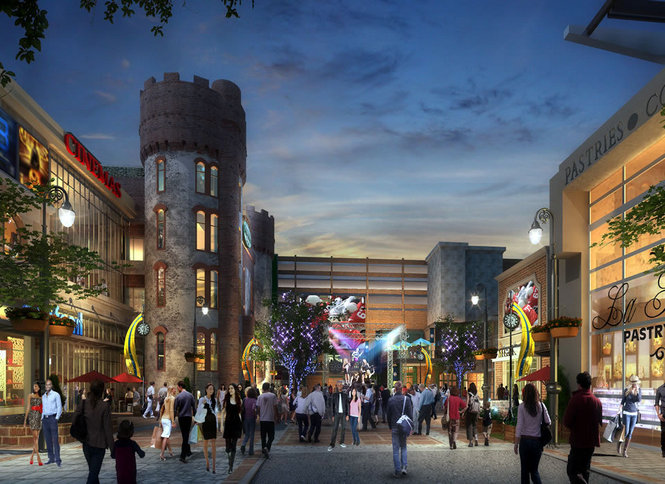 MGM’s counter-plan is to turn its casino inside out, with the restaurants and other amenities opening onto the streets. (Much as is being done with New York-New York and Monte Carlo on the Strip.) Casino opponents to the contrary, what MGM will build has to be counted an improvement on parking lots and tornado-damaged buildings, the current occupants of the area. Gambling aside, what’s not to like about “a hotel, cinema, skating rink, bowling alley, spa, parking garage, and 54 market-rate downtown apartments.”
Mayor Dominic Sarno credits MGM with raising Springfield’s profile to the point where it is courting manufacturers like Changchun Railway Vehicles Co. In other words, Springfield is more than just a town on The Simpsons.
Throwing a bone to New Jersey‘s racetracks, state Sen. Raymond Lesniak (D, below) is proposing legalized sports betting for them and for the state’s casinos. He’s bearding the Supreme Court in its den, betting it will either overturn the federal sports-wagering ban or return it to the appeals court. So far the state is 0-for-2 in the federal court system.
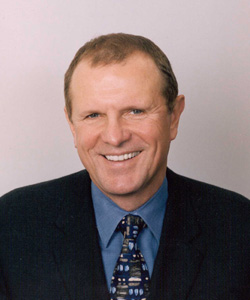 “Right now, book your hotel room [in Atlantic City] for the Super Bowl next year and the NCAA Final Four, because you won’t be able to get one,” says a cocky-sounding Lesniak. “I have legislation being drafted, and that will be introduced, to allow casinos and racetracks to have sports betting on our premises. We just won’t be able to regulate it. We pushed the envelope with internet gaming, and we will push the envelope on sports betting. And we are not going to be deterred.” (His colleagues, meanwhile, continue to pine for a Meadowlands casino, taxed at usurious rates.)
Borgata President Tom Ballance, meanwhile, had some choice words for the slow ramp-up of Internet gambling in the Garden State, saying it was “like trying to paint an airplane while it’s flying.” After all, American Express and Discover won’t take your action, Visa approves 44% of online-gambling transactions, while MasterCard is relatively “george,” processing 73%.
