
 Leaving scant room for error, Japan‘s parliament is scheduled to begin debating casino legalization today. “We have to remind ourselves that this is just the start, and until we see gambling become legal, we must keep up our efforts,” said lobbyist Toru Mihara. The first stage of the process is to legalize casinos by the end of the fall emergency session, the second to pass an accompanying regulatory framework. Prime Minister Shinzo Abe‘s goal is not modest: to double Japanese tourism by 2020. Casino gambling plays an important role in that scenario, “the main feature of my growth strategy,” as he said during a recent Singapore junket.
(Abe’s government has recently hedged that bet. “Integrated resorts are expected to contribute to bolstering tourism, regional activity and industry, but they also require consideration of policy measures to prevent crime, maintain safety, ensure healthy development of youngsters and prevent addiction” reads a government document obtained by Reuters.)
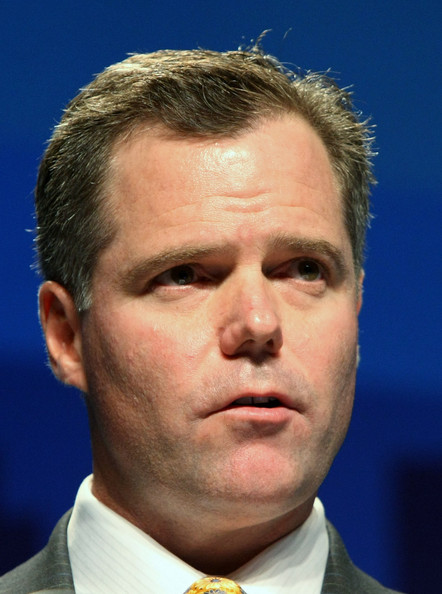 The late introduction of the bill worried MGM Resorts International CEO Jim Murren, for one: “When you lose the deal momentum, sometimes you lose the deal.” Still, the votes are there for passage, so opponents like the Communist Party are trying to prevent discussion, period.
In Japan, you can bet on the ponies or on boat races, but casinos are still an exotic quantity. Bank of America Merrill Lynch‘s director of Asian gaming, lodging and leisure, Billy Ng, sees the experience and probity of American casinos as an asset as the market opens up: “They have experience dealing with very tight racketeering environments in different jurisdictions, not just the U.S. It’s a lower risk for Japan politicians if they pick them.” American applicants can take heart from such a vote of confidence.
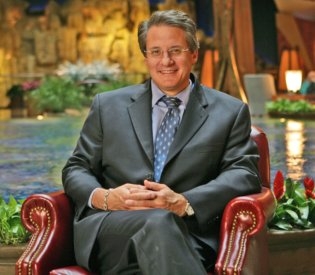 the Catskills, choking off potential development. Mohegan Sun partner Louis Cappelli went so far as to say “an Orange County casino sticks in a knife in Sullivan County forever.” OK, there may be some hyperbole there but not much. Although two tribal casinos have quit the process, Mohegan Sun CEO Mitchell Etess (right) sees virtue in staying the course: “We really believe that gaming is intended for the Catskills. It’s supposed to be about developing an economy and creating economic drivers and this wasn’t just a tax revenue grab. We really believe at the end of the day we’ll be able to make that case to the gaming board. And you can’t do that if you’re not in the process.”