

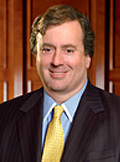
 “I think it’s a less likely fit for us, because it’s not clear what the complementary set of skills would be in their case,” said Caesars Entertainment CEO Gary Loveman of gray-market pachinko parlors. That being the case, he might be leaning toward getting into, say, Osaka by teaming with a theme-park operator. There he will find Universal Studios Japan and Dutch firm Huis Ten Bosch, both of whom are looking for a partner. Huis Ten Bosch is happy to stay out of casino operation itself and is seeking a lessee. That sounds as though it would suit Caesars to the ground.
 However, The Japan Times reports that MGM Resorts International and Galaxy Entertainment Group are the frontrunners for Osaka. Since Caesars has sworn off the Tokyo market but as many as 12 casinos could be legalized by 2025, it’s not an Osaka-or-nothing proposition. In any event, Huis Ten Bosch seems to be the more coveted player in this market. Local officials take pleasure in dissing Universal. “USJ has no experience at all in the casino sector,” says one, while another adds, “I don’t have a relationship based on trust with USJ’s management.”
Regardless of location, Japan‘s $187 billion pachinko industry wants a piece of the casino action, which it sees not only as a path to legitimacy but a way to stem a 20-year decline in pachinko play. To that end, it’s also offering to trade a 1% tax for legally sanctioned status — ending the need for players to cash in their merchandise “winnings” for hard currency at third-party sites.
Some pachinko companies would make logical partners for U.S. gaming firms — Konami, for instance, which has a major base of operations right here in Las Vegas. Unlike equipment makers like Konami and Sammy Sega, pachinko operators like Maruham and Dynam are lesser-known quantities. With a combination of self- and government-imposed payout curbs dampening their pachinko action, casinos look like a solid bet.
 * Las Vegas Sands is getting sued (again) by a former business associate. In this case it’s Taiwanese businessman Marshall Hao‘s American Asian company, which is piling a Las Vegas legal action onto two in Macao. Hao is accusing Sands of the misappropriation of intellectual property — the contents of its application for a Macao casinos. In a characteristically peppery response, Sands wrote the media, “Using a different lawyer every time, AAEC (Asian American) has repeatedly filed lawsuits trying to take credit for that which they didn’t do.” May the most tenacious litigant win.
Up in smoke. Forgive me if I lose you on this one. The Nevada Gaming Control Board has approved Las Vegas’ Crab Corner for a slot route. But the designated operator, Nevada Gaming Partners, has been nixed. NGP hasn’t done anything wrong — but the wife of the owner possesses an 8% share of a medicinal marijuana distributorship. And since the NGCB observes federal law as to the (il)legality of marijuana, even being one step removed from the business isn’t good enough. So, unless Sarah Familian divests herself from GB Sciences Nevada, her husband’s company doesn’t look like it’s going to get any new gaming licenses.
 Ludicrously, the Nevada Gaming Commission can barely muster a quorum on the issue because three of its five members represent marijuana growers and distributors. This is the belated outcome of then-Gov. Jim Gibbons‘ (R) boneheaded decision to pack the Commission with nothing but attorneys, which in this case has generated nothing but conflicts of interest. As for NGP, its future looks grim unless Mrs. Omilian sells out of the tea-growing business. With JETT Gaming‘s Troy Herbst and tavern owner Barry Moore both dabbling in the wacky-tebaccy business, we’ve not heard the last of this.
