

Argosy Sioux City continues to lurch from crisis to crisis. In the latest twist, Judge Elizabeth Ovrom gave with one hand but took away with  the other. In order that the casino can appeal its closure order from the Iowa Racing & Gaming Commission, the Argosy got another week-long reprieve. This gives it time to take the April 17 order to the Iowa Supreme Court for a last-ditch appeal. However, she won’t lift the closing notice: “Allowing the Argosy Casino to remain open would be prolonging the inevitable.”
July 21 is D-Day for Argosy, when it either closes or enjoys a reprieve from the Supremes. Owner Penn National Gaming is also pursuing a petition for judicial review, recently dismissed without prejudice, of the entire Penn/IRGC conflict. If the court takes up that matter, it buys not weeks but months for Argosy Sioux City. The matter is temporarily settled, Ovrom having ruled that Penn lacked a Qualifying Sponsoring Organization, or nonprofit partner, putting it in violation of Iowa law. (Former partner Missouri River Historical Development has thrown in its lot with under-construction Hard Rock Casino.)
Never burdened with an overabundance of shame, Penn is also using the court system to try and undo the Hard Rock’s license, perhaps coveting the property for itself. As Judge Ovrom wrote of the Penn’s defiance of the QSO rule, even if regulators erred, “the result of the allegedly erroneous interpretation was to allow it to continue to operate longer than it should have.” Under the rules, Argosy Sioux City should probably be out of business by now but the breaks have mostly gone Penn’s way.
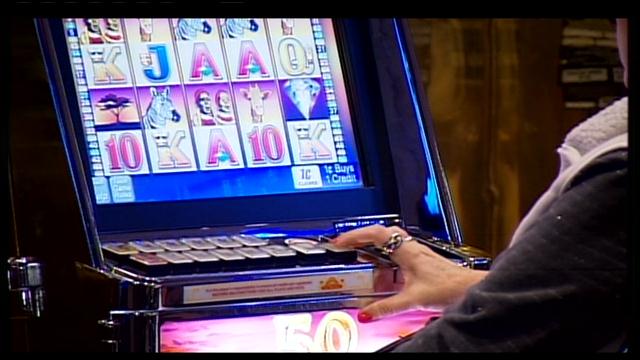
They need some better slot machines in Macao. One hundred and thirty-three jackpots have been invalidated due to “mechanical errors.” (Has anyone ever lost money on a defective slot?) Lawmakers heard from distressed punter Ip Choi-peng, who claims to have won $2.5 million from Venetian Macao and MGM Grand Paradise, only to be told several hours later that he’d won nothing.
 “There are minor abnormalities, but it is very rare for flaws to be found on gaming machines,” said Manuel Joaquim das Neves, Macao’s top regulators. Whether 133 “abnormalities” constitutes “very rare” might be true when one considers the sheer preponderance of gambling taking place in Macao — although slots represent a small piece of the pie. At least Venetian and MGM were “george” to Choi-peng, offering him 10% of the disputed amount, which Choi-peng says doesn’t even cover his coin-in, which came to $500,000.
