

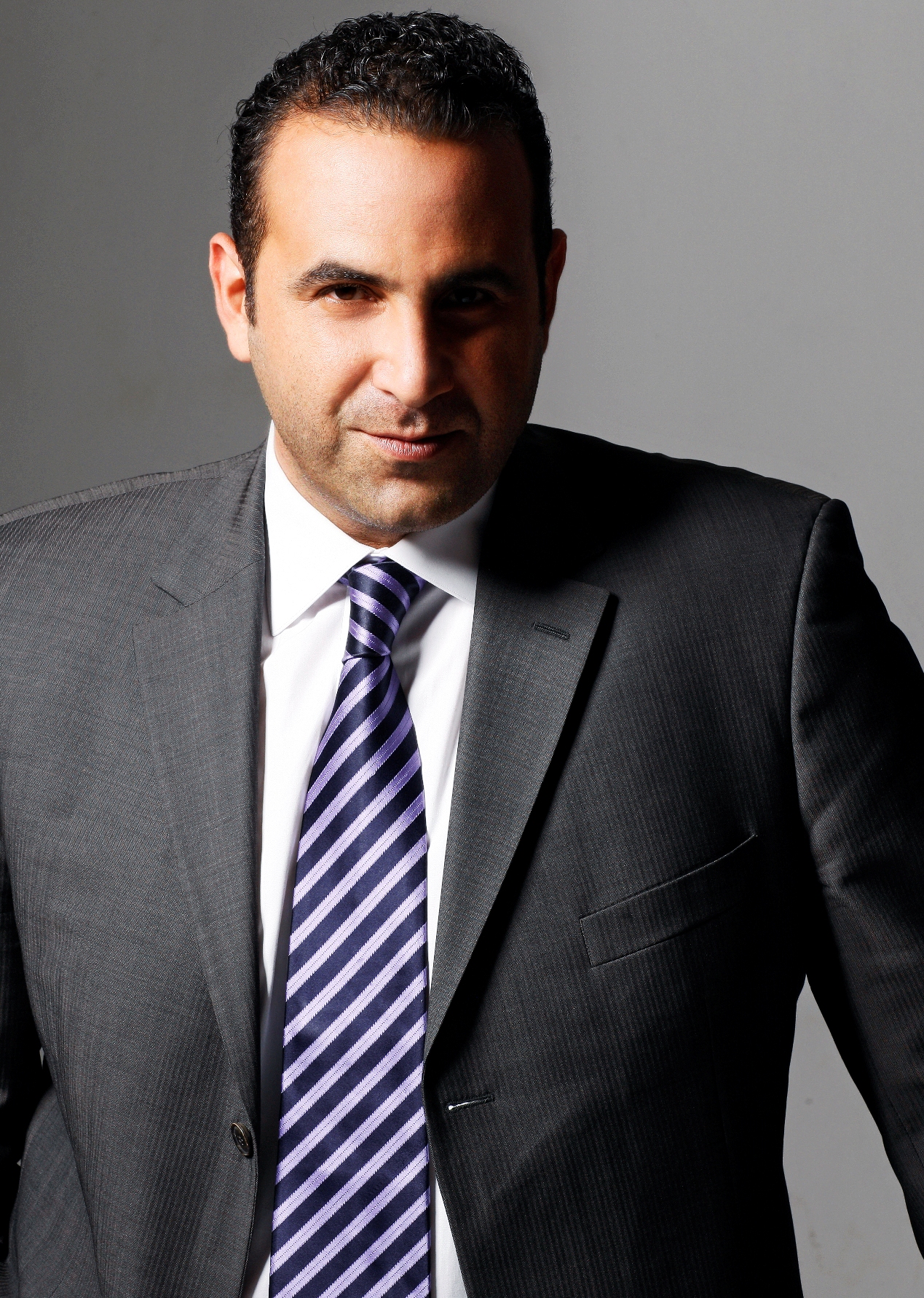
 Last week, while I was out with an abcessed tooth, SLS Las Vegas had its turn before the Nevada Gaming Control Board. The management structure and financing were so complex that it took SLS nearly four hours to walk regulators through it. Over a quarter of the 3,000 jobs will be outsourced to EB-5 visa holders, mostly from China, mitigating the local economic impact. (How does it feel to be unemployed and see someone essentially buy a job at SLS because they have $500,000?) The extensive business holdings of SBE Entertainment CEO Sam Nazarian are taking so long to comb through that he was off the docket.
However, in what came as something of a surprise, it was revealed that Nazarian is only a 10% stakeholder. Ninety percent of SLS Las Vegas is controlled by Stockbridge Real Estate. It’s been propping SBE Entertainment up ever since it bought the then-Sahara. All the real power rests with Stockbridge CEO Terry Fancher, although he politely deferred to Nazarian, saying, “Mr. Nazarian is a visionary. We wouldn’t be here without him.”
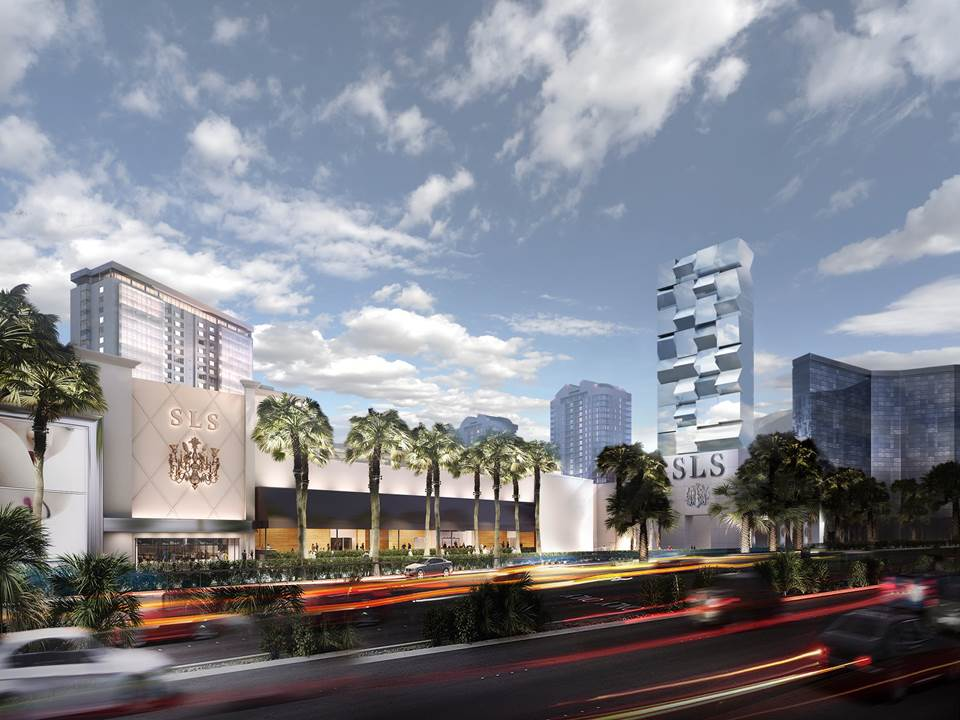 SBE, however, has no voting rights. The Control Board also saw to it that SBE’s 10% of the gaming revenue is placed in escrow until Nazarian is licensed. “Mr. Nazarian’s businesses are very complex,” rationalized attorney Anthony Cabot, representing SBE. To hear Fancher tell it, Nazarian is just a front, a person who “puts everything and everyone together and then steps back and lets everyone run it.” That would include casino industry veteran Rob Oseland, who will oversee the gaming operations.
So, for all those years of posturing, Nazarian turns out to be a glorified manager. This certainly changes one’s perspective on the Sahara, on Stockbridge and on Fancher.
* Is it or isn’t it? That’s the question a federal court will have to answer regarding the legality of edge-sorting. Foxwoods Resort Casino has 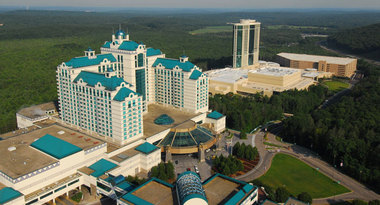 withheld $2.7 million in winnings and front money from three Chinese players because it contends they cheated back in 2011. The persistent trio is suing for the return of their money plus $3 million in “consequential” damages, plus punitive damages, interest and fees. They contend that edge-sorting is legal in Connecticut and elsewhere. (It’s the practice for which Phil Ivey recently got into trouble.)
 Reads the lawsuit, “Basically, edge-sorting is possible because some brands of playing cards are not cut symmetrically across their backs and some players are gifted with eyesight keen enough to tell the difference … provided the sorted cards are not reversed in the shuffling process rendering the sorts unintelligible.” The plaintiffs claim that Foxwoods was compliant in their sorting request and could have re-sorted the cards if it so chose. Foxwoods hasn’t responded to the federal complaint but its Inspection Division has already found against the three Chinese and threatened them with arrest if they set foot in the casino again.
* Although casino revenues ate into lottery sales in Maryland, they still increased the pot sufficiently for $44 million more to go into the Education Trust Fund. And the state has two casinos still to come, with a combined investment of $1.37 billion. Horse tracks also benefited from casino and lottery proceeds, with $9.5 million set aside for renovations. A fund for small, women- and minority-owned businesses received $8 million, and $31 million was channeled back into the localities where the casinos are located. So if you ever wonder what good deeds casino taxes are doing, there’s an example.

The EB5 program offers investors US citizenship, not employment