

At least in relative, this month is shaping up as the worst in Macao‘s casino history, with the gambling industry looking at a 23% drop in gross receipts. And when 80% of
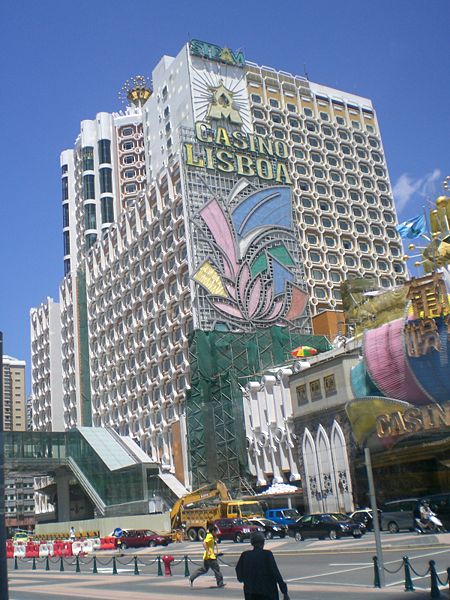 your economy is predicated on casinos, you’ve got a problem. “I don’t know if it is a squall or if we are in the rainy season, or how long it will last, but we are still very bullish on Macao,” said Steve Wynn, putting the best face on five months of decline. It’s a perfect storm of factors: VIP players are lying down during an anti-corruption campaign, providing only 56% of gambling revenue, visa durations to Macao have been shortened and it’s harder to get there via Hong Kong, due to pro-democracy demonstrations in the former British colony. Throw in curtailment of the UnionPay credit card, a weakening real estate market on the mainland and a yet-t0-be-felt ban on smoking in Macao and there’s plenty about which to be nervous.
The buzzword for Wynn and Sheldon Adelson is “cyclical.” (They can scarcely afford to panic, can they?) “No one has ever suggested that the behavior of Chinese and Asian people, which has been established over a 3,000-year history, is going to change,” said Adelson.
However, Sheldon and Steve are going to have to hang in there a little longer. Peking is opening a new anti-corruption bureau, a move certain to depress VIP play for some time to come. 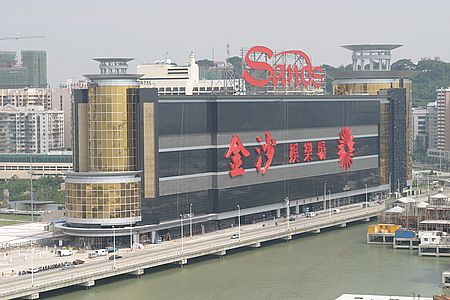 [T]he anti-corruption drive is far from over and is likely to continue to impair Macao’s VIP market for a significant period of time,” affirmed Union Gaming analysts Grant Govertsen and Felicity Chiang, who posited that the anti-corruption movement is ossifying into an institution. So much for a brief wave of hope that a pushback against “undesirable work styles such as formalism, bureaucracy, hedonism and extravagance” had done its worst. “The greater number of human resources allocated to this indicates that the number of cases that are prosecuted could continue to grow,” warned Union Gaming. It added that VIP players might take their action to South Korea, the Philippines or even Cambodia.
By the way, how did MGM Grand Cotai get to look like a misaligned set of child’s building blocks?
* Not one to give up on sports betting in New Jersey, state Sen. Raymond Lesniak (D) is proposing an end-around. Noting that federal Judge Michael Shipp, the principal 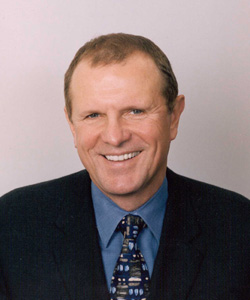 obstacle, is the older brother of a former NFL running back, Lesniak has asked the elder Shipp to recuse himself. Said Lesniak, “This is a strong appearance of a conflict of interest that could compromise Judge Shipp’s ability to make an objective decision.” Shipp has until Nov. 21 to declare himself in our out, before he hears oral arguments on New Jersey’s sports-betting law. It’s difficult to imagine him stepping aside but recusals have taken place for less. While NBA Commissioner Adam Silver has declared himself of an open mind on non-Las Vegas sports betting, so far the NBA is holding firm with the NCAA, NFL, MLB and NHL against the Garden State.
However, the integrity of the NFL’s position may be crumbling. Noting that the NFL openly advocates fantasy leagues and has an ambiguous stance toward daily fantasy sports, Forbes‘ Marc Edelman is calling for the league to fish or cut bait. The NFL has, he observes, kept its own counsel about parlay-contest Web sites and creatures of that ilk. “Perhaps the NFL has been foolish in expending so much time and effort to stamp out sports gambling at Monmouth Park Racetrack without articulating any coherent view on the online private sports gaming revolution,” Edeman writes, “… the NFL is running out of time to define exactly what sort of sports gaming it finds problematic.”

It’s Macau (not Macao)
The New York Times (and Las Vegas Sands) would disagree with you.