

One of Vegas’ most iconic attractions is getting minimized. The Mirage  volcano will now only erupt twice on weeknights and thrice on weekends. This austerity move is a concession to MGM Resorts International‘s huge debt overhang. It was also supposedly cut back because it wasn’t driving foot traffic into the casino. The logic of how it was supposed to do that eludes. This was always a freestanding tourist attraction and MGM has just made a mean, little dent in the number of things in Sin City that can be enjoyed for free.
* Now that Tunica has peaked, hard questions are being asked about how all that casino revenue failed to trickle down to the unfortunate inhabitants of “America’s Ethiopa.” The chances of upward mobility for Tunicans are right down there with parts of Virginia and Alaska (neither of which has gaming to fall back upon) … and life expectancy is comparable to El Salvador. Civic leaders “instead of funding skills training and providing programs for the vulnerable, they poured money into a riverfront wedding hall, an Olympic-size indoor swimming pool and a golf course designed by a former PGA Tour pro — all while implementing a massive tax cut that primarily benefited the wealthy,” reports the Washington Post. Only 2.5% went into social services, even though the alleviation of poverty was one of Tunica’s biggest selling points when gaming was its peak.
The fault lies not with the casinos, obviously, but with the city and county officials who frittered away the money gambling brought. They 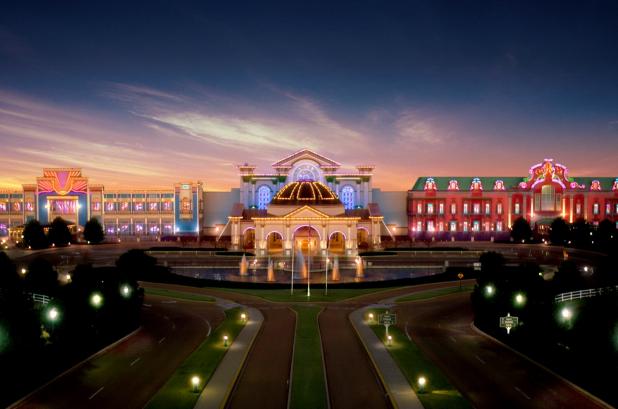 seemed to be among those in the industry (think Caesars Entertainment and Station Casinos) who overextended themselves, thinking a rainy day would never arrive — and then got caught in a downpour. It’s a city with an international airport but no all-night pharmacy. Property-tax cuts were most beneficial to the landowners who were leasing land to the casinos. Now “we are literally living check to check,” says county administrator Michael Thompson.
It may be too late for Tunica, but let it be an example to other states and municipalities that gaming revenue (when well spent) can be helpful but isn’t a magic elixir to makes all problems go away.
* Sands China and Galaxy Entertainment, which have been reeling on the Hong Kong bourse, got a second wind today on the 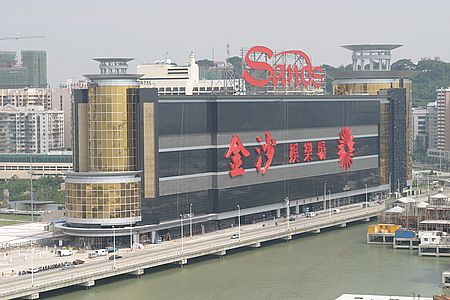 strength of reports that Macao‘s government may soften its anti-smoking policy. The latest news is that smoking lounges on casino floors may be retained. It’s not definite but it would be better for business than if the Macanese government were to carry through with its plan to ixnay smoking in VIP rooms and remove the smoking lounges. Combined with the central government’s decision to relax the number of times that Chinese citizens can visit Macao per year, there’s finally hope for real turnaround in Macao.
* Meanwhile, in the Philippines, officials are predicting 20% revenue growth this year from the archipelago’s casinos. Stocks, including Melco Crown Entertainment, predictably spiked on the news.  Pagcor Chairman Cristino Naguiat (right) is forecasting $3 billion in gaming lucre, adding, “It’s proof that the Philippines has a good mix of foreign markets and that there are many who really want to come to the Philippines,” so many that it’s hard to get a hotel room. Perhaps surprisingly, the U.S. was the second-largest source of tourists, lagging South Korea (24.5%). With numbers like those, U.S. operators may rethink their aversion to the Philippine casino industry, although there will probably never be a Wynn Manila, Pagcor having banned Steve Wynn in a kangaroo-court proceeding several years ago.
* The slow collapse of Baha Mar continues. Without a financial bailout by Monday, the resort will downsize to a “skeleton staff” whose tasks will include shutting down and securing the casino.
