

Hot on the heels of announcing a REIT conversion of MGM Resorts International and a boffo 3Q15, CEO Jim Murren sped out to Massachusetts to calm the waters in Springfield, where MGM’s serial reductions of its casino plan have stirred consternation, at best. Murren apologized for ‘lapses in communication‘ but anyone hoping for a return to the original design scheme was bound to be disappointed. Murren stood
by the downsized MGM Springfield (including 38% less retail and nearly 50% less bowling alley), saying it would have better synergy with street-level activity and with downtown in general.
MGM also detailed spokesman Clark Dumont to assure the community that MGM Springfield wouldn’t be affected by the company’s REIT conversion. “[T]here would be no change in daily  operations,” even if MGM sold the megaresort to MGM Growth Properties, Dumont said. ” At this time, we are reserving judgement on the prudence of the REIT given the many unknown moving parts. That being said, we are confident the REIT is accretive to equity value,” opined Deutsche Bank analyst Carlo Santarelli. Putting a “buy” recommendation on the stock, Santarelli said REIT “paralysis” was obscuring the bullish MGM story, which he characterized with terms like “impressive” and “extremely strong.”
MGM also ruffled some feathers when it closed its community office downtown (a new one will open early next year), although the administrative office remains open. There was a passive-aggressive 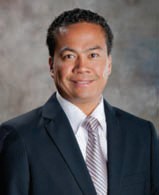 sting in the tail of Murren’s apology “given how much more invested I’ve been in this project more than ever before and how much more invested my company has been.” Nor was he forthcoming with details of the reconfigured megaresort, which will be disclosed on Nov. 16. Casino President Michael Mathis (left), who’s been at the center of the PR storm allowed: “The delays and challenges, along with the subsequent public confusion, have been frustrating to all of us.
When the revised casino is presented, it still needs the approval of Mayor Domenic Sarno and the city council. With $200 million already invested by MGM in the project and Murren have firmly consigned the original design to the dumpster, like it or not, the city fathers are going to need to make the best of a disappointing situation. (A good thing for Murren that all of MGM’s Nevada casinos are outside Las Vegas proper; otherwise he’d have to explain to Carolyn Goodman why he calls Sarno the best mayor with whom he’s ever worked.)
* Elsewhere in Massachusetts, there’s a bit of introspection going on over who has the authority to regulate daily fantasy sports. An attorney for the Massachusetts Gaming Commission has  issued an opinion that the MGC would need new powers and that DFS falls outside its current remit. That would require the MGC going back to the Legislature for a new mandate, which would be music to the ears of those lawmakers who’d like a regulated — and taxed — DFS industry in the Bay State. “There is no corollary to [the Nevada] statute in Massachusetts and our Gaming Act does not criminalize offering a percentage game,” wrote MGC attorney Justin Stempeck, who added the assuming DFS to be legal under the oft-cited UIGEA, “is an over-simplification of the statute, which has a far narrower scope.” The MGC has taken the matter under advisement.
* MGM has some high-powered legal talent aiding in its quarrel with the State of Connecticut. It has signed former U.S. Attorney General Eric Holder. The latter’s opening salvo challenged the constitutionality of creating a third, tribally owned casino: “By granting the Mashantucket Pequot and Mohegan Tribes the exclusive right to establish commercial casinos, Special Act 15-7 unfairly prevents any other individual or corporation from competing to provide the people and communities of Connecticut the best possible economic opportunities.”
“While we have great respect for Mr. Holder and his many accomplishments, we disagree with the legal conclusions he asserts 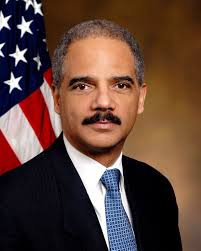 on behalf of his client, MGM,” said a spokeswoman for Connecticut Attorney General George Jepsen — once a close ally of Holder — before taking a ‘no comment’ stance. (Gov. Dannel P. Malloy has already sought refuge under the cone of silence.) The tribes were less circumspect. “First, [MGM] dismissed the proposed new facility as irrelevant. Now they’re fighting it tooth and nail. One thing is clear — with every step they pursue in this process, MGM is admitting that our plan to save Connecticut jobs and revenue is going to work,” said Andrew Doba, a spokesman for the tribal joint entity that would build the casino.
Holder’s entry into the lists found favor with casino opponent state Sen. John Kissel (R), who said, “The nation’s former top attorney’s opinion carries a lot of weight. He thinks Connecticut made a bad bet. So do I.”
* Casinos in Reno continued their recovery, up 8% in September. Way to go! Just a few miles away, Lake Tahoe continued to be as unpredictable as ever, down 11%.
