

It’s looking more and more like Rep. Jason Chaffetz‘s effort to move his (actually Las Vegas Sands‘) “Restoration of America’s Wire Act” has hit a 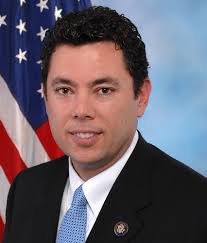 dead end. Last week’s hearing found widespread skepticism, even hostility, among the members of Chaffetz’s own committee, while his hand-picked witnesses performed badly on the stand. By trying to override the 10th Amendment with the Commerce Clause, Chaffetz alarmed defenders of the Second Amendment, who feared that it would be next for congressional reinterpretation.
Chaffetz, “a loathsome human being with no real interest in learning the truth about online gambling,” and his invited goons frequently fell back on xenophobia, citing the overseas ownership of sites like Betfair as a threat to our national security. The loopiest pro-RAWA argument was made by Rep. Rep. Mark Walker (R), who accused the Department of Justice‘s reinterpretation of the federal Wire Act of being a “bailout” for Caesars Entertainment. Perhaps Walker didn’t get the memo about the Wire Act revision preceding the Caesars bankruptcy.
Committee members Rep. Jody Hice (R) and Rep. Buddy Carter (R), both from Georgia, were concerned about the fact that RAWA would shut down the online Georgia Lottery, a prized source of education funding. In the end, Chaffetz — a truly insufferable little man — was left with little support from his side of the aisle and his own, Luddite insistence that “nobody with a straight face” believes in geofencing.
* Between the Ethan Haskell scandal and a diminution of advertising to near-invisibility, daily fantasy sports is fading as suddenly as it sprang upon us. True, FanDuel and DraftKings could hardly be expected to sustain the obnoxious pace which saw them account for 60% of TV advertising, surely the biggest overkill in television history. Brian K. Tremblath theorizes that Americans “have finished experimenting with DFS and most of them have opted to return to traditional, more competitive, fantasy football leagues that aren’t dominated by spreadsheet-wielding analytics nerds.” Indeed, with 1% of players dominating the winnings of DraftKings and FanDuel, where’s the incentive to try and compete?
* Unlike Dr. Ben Carson, Sen. Ted Cruz (R) managed to avoid any discussion of gaming issues when grilled by the Las Vegas Review-Journal. The ongoing mystery behind the paper’s above-market-value sale is vale of darkness that continues to fascinate and trouble local journalists.

I have been in a Fantasy Basketball League since 1990 (I missed four years when I lived in Las Vegas). Most of the time there have been 12 teams in our league and our fantasy basketball draft is once a year and its lots of fun because I have known most of these guys at least 10 years. There are 16 weeks and then the playoffs. The most I have lost is $120 dollars and the year me and my partner won we split $410 dollars.
People who are in Fantasy Football Leagues might have tried FanDuel/DraftKings for awhile on their own and had real good weeks but did not win because there were lots of players which made it hard to win. Also the analytical nerds would use sophisticated computer models to sort through all the data and they would also probably play several different teams each week to increase their odds of winning.
Lastly in my opinion FanDuel/DraftKings is gambling because football is a violent sport and numerous fantasy players get hurt every week and then sometimes are out for the year. So its hard to tell who will get hurt and who will stay healthy and that is luck, not skill.