

Connecticut‘s controversial satellite casino has been voted through the state Senate. This prompted a swift response from the Schaghticoke Tribal Nation, which promised a lawsuit (probably 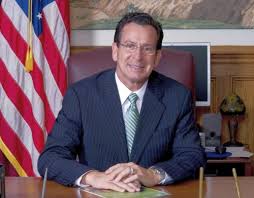 financed by MGM Resorts International). Gov. Dannel Malloy (D) threw his support behind the satellite casino, saying, “the legislature should remain focused on maintaining the state’s longstanding partnership with the Mohegan and Mashantucket Pequot tribal nations and protecting jobs.” In other words, don’t imperil that $260 million a year in slot revenue.
Schaghticoke Chief Richard Velky responded, “If the citizens of Connecticut want a better deal and a proposal where the numbers add up, the open, competitive process is not only the right thing to do – it turns out to be the most financially responsible thing to do as well.” 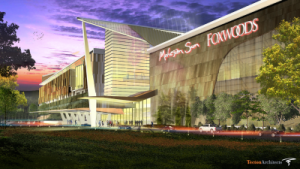 Malloy should be less concerned about that than about dissension among his Democratic fellows in the House of Representatives, who say the Senate bill is a non-starter. As Speaker Joe Aresimowicz (D) said, “we shouldn’t be giving the exclusive rights to anyone.” He also indicated that some kind of tribal quid pro quo was in order, saying, “We believe expanded gambling in Connecticut is worth something in the bidding process. The Senate didn’t think so. We respectfully disagree.” That last sentence translates as “Nothing doing.” This issue is a long way from being resolved.
* The frontrunner status of Osaka and Yokohama for Japanese casinos isn’t going over so well with smaller cities, who fear they’ll lose  out on the economic status promised by Prime Minister Shinzo Abe. But gaijin casino operators say it only makes sense to invest in the major metropolitan areas. It’s not just a question of population centers but of proximity to the major airports. (Tokyo factors heavily in the discussions, but height restrictions are an issue there.) Grumbled the governor of Wakayama, “Where did the view that this was for local revitalization go?”
Marina Bay Sands CEO George Tanasijevich was unrepentant. “The location that works best for our business model is the major cities, so we’re talking about Tokyo, Yokohama, Osaka,” he said. “We need to be in a major city that’s connected to a major international airport so  we can bring in the millions of people that we want to host at our property.” MGM’s Ed Bowers was even blunter: “MGM’s business model is to build large-scale destination resorts with lots of stuff that cost a lot of money. So it needs to be in a high-density population area, and obviously the ones to be mentioned are Tokyo, Osaka and Yokohama. So we’re focused on those three.”
Revenue projections for Japan continue to be aggressive, with CLSA predicting $25 billion a year from three casinos, an amount so lucrative as to border on the preposterous. At least one casino company is courting smaller cities, namely Caesars Entertainment. No doubt the lower cost of entry to a second-tier city plays somewhat in Caesars’ thinking but it’s good strategy any way you slice it. Given the high level of public opposition to casinos’, dividing Japan into haves and have-nots seems like less than an optimal strategy for seeding good will.
* That Class II tribal casino on Martha’s Vineyard will have to wait a bit longer. Declining to hear the case, the First Circuit Court of Appeals stayed the Aquinnah Wampanoag from developing their electronic bingo hall until the city’s complaint is heard by the Supreme Court. The tribe is 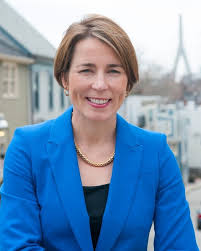 bucking the opposition of Gov. Charlie Baker, state Attorney General Maura Healey (right) and Massachusetts Gaming Commission Chairman Stephen Crosby. But it’s not taking that lying down. Tribal Chairwoman Cheryl Andrews-Maltais said, “when they are ready to stop wasting time and precious resources on further appeals, we remain ready, willing and able to collaborate with the town and commonwealth on the issue of the gaming project’s potential impact and positive opportunities for our citizens.” Whether you agree or not, you have to admire their fighting spirit.
* How sad is your card room if its venue is an ex-Pizza Hut? The owners of little Paso Robles Central Coast Casino have plans to remedy that, though.
