

Imagine that you had to display your Social Security card every time you visited a casino, and have that data recorded and reported. It would kind of put you off gambling, wouldn’t it? Well, it’s an idea being floated in Japan 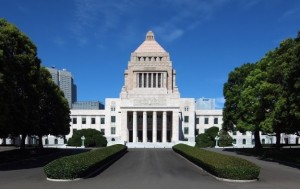 right now. The central government could monitor the casino visits of citizens and resident aliens by having their ID numbers monitored. The upside is that it means that a ban on gambling by locals is probably off the table. As for downsides, you could have a deterred citizenry, attempted transference of ID numbers and a burdensome verification regime for the casinos themselves. Although every citizen has an ID number in theory, only 10% have the plastic verification card, according to GGR Asia.
Even worse, if you’re an operator, an annual cap on casino visits might be the endgame of this registry. While foreign investors have been willing to commit $10 billion or more in Japanese casinos, that math might change dramatically if locals play is discouraged. (See Korea, South.) The Yomiuri Shimbun has editorialized recently in favor of not only a cap on casino visits, a ban on degenerate gamblers and a sort of Black Book for organized-crime figures. The strictures being bandied about exceed even Singapore‘s (and make Macao look downright laissez-faire), so casino executives who think they’ve found a vast gold mine might want to think again,
* “How can you build trust in Indian country when you present a budget like this?” That’s what Sen. Al Franken (D) asked Secretary of the Interior Ryan Zinke after the latter rolled out $371 million in cuts to the Bureau of Indian Affairs. When Zinke — who was expected to be an advocate for tribal interests — weakly tried to argue that he was just balancing a budget, Franken was pitiless, saying “There are other way to balance budgets, and on the backs of the tribes is not a way to do it.”
Zinke’s forked-tongue rhetoric comes just days after he went to Mohegan Sun to tell Native American leaders to don’t worry, be happy, 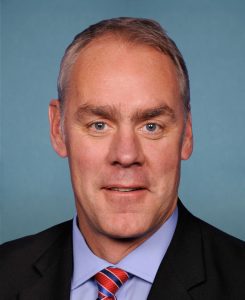 nothing bad is going to happen to them. Social-service programs for tribes were hit with another $23 million in proposed budget cuts and the Bureau of Indian Education would get slashed by 12%. “Clearly, when it comes to the Bureau of Indian Education, I think we failed,” said Zinke, displaying a masterly grasp of the obvious. So, you see how important revenue from tribal casinos is and how much more important it will continue to be. As long as the White House continues to pursue anti-tribal policies, we’d suggest Zinke take a chill pill every time a land-into-trust application crosses his desk.
* It was a good day for the Seminole Tribe. Gray-market “pre-reveal” slot machines, which dot Florida like daffodils, are indeed illegal gambling devices. That’s what a Leon County judge ruled, in a reversal of his own edict. Judge John Cooper‘s previous ruling hung on the narrow thread that a disclaimer on the machines advising players of the odds was enough to distinguish them from slot machines. In the eyes of the Seminoles, this was a compact-breaking precedent, as they have exclusive rights to slot terminals across the vast majority of the Sunshine State. It was such a serious issue that Gov. Rick Scott (R) asked the Legislature to address it. As for Cooper’s reversal, Seminole spokesman Barry Richard said, “He said he was convinced he had made the wrong decision. He said he made a mistake and he felt these machines were slot machines within the meaning of the statute.”
