
“Everybody says we have the leading position to win a Japanese gaming license because of my background,” remarked Sheldon 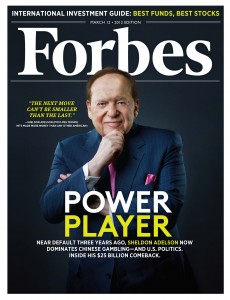 Adelson modestly when casinos were voted in by the Diet. Over at MGM Resorts International, CEO Jim Murren played the social-responsibility card, speaking one sort of language Japanese politicians like to see. Wynn Resorts CEO Matt Maddox also tried to sound culturally multilingual, saying Wynn “is known worldwide for a unique culture of customer-focused hospitality known as ‘omotenashi.’ [I say that often; don’t you?] This important Japanese tradition of creating a unique guest experience makes it clear to us that Japan will develop extraordinary integrated resorts that are not found in any other country.”
Sensing perhaps that Japanese companies are juiced into majority positions in any casinos that will be built, Caesars Entertainment CEO Mark Frissora groveled, “As we prepare  to bid, we are seeking the most creative and respected Japanese partners to help us bring to life an unparalleled integrated resort experience.” One brokerage, however, predicted Genting “stands a good chance to win a license thanks to its responsible gaming experience and solid net cash position.” It will be bucking public sentiment, which is still running heavily against casinos.
Japan’s leading newspaper, the Asashi Shimbun, reported that gangsters were already “plotting to infiltrate casinos in nefarious ways.” It quoted one Yakuza as saying, “Once rules are decided 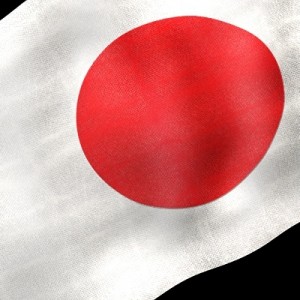 on how to place restrictions on organized crime, we can begin thinking about ways to get around those legal barriers … By providing hotel accommodations and airline tickets for VIPs, we can then lend them money at exorbitant interest rates. There is no way we would lose money.” Infiltrating subcontractors and bribing dealers to rig games were also put on the table, as it were.
Indeed, Asia Gaming Brief argued that Japan was far from ready, counting “no less than 331 items regarding the operation of the new system [that] have been left for the future decisions of the cabinet and the bureaucracy.” Message to would-be casino operators: Proceed at your own risk.
* As new as sports betting is in New Jersey, it’s already encountering problems. Bettors cried ‘Foul ball!’ at FanDuel‘s Meadowlands Racetrack book because it allegedly didn’t have cash on hand to cover bets and — incontrovertibly — closed up shop before a 16-inning Los Angeles Dodgers game ended. (FanDuel denies the accusations.) On the whole, though, track owner Jeff Gural was happy. Even though operating at two-thirds of capacity, Meadowlands took in $3.5 million in nine days and prompted increases in betting handle and attendance (up 5%) at the racing oval. Gural told The Associated Press, “We did OK. “Our goal the first weekend was to exceed $1 million which we did. The next four days were quiet with nothing to bet on due to the All-Star break.” He didn’t say that the start of NFL play would be the acid test, probably because it doesn’t need to be said.
Further to the south, Bally’s Atlantic City is putting the final touches on its sports book. It will be a relatively modest operation: 30 armchairs and eight TV screens. We suspect Bally’s is testing customer appetites and will go bigger if business warrants it. Defunct cashier windows in the Wild West section of the casino, opposite the book, will be reopened to take action on games. Something had to give and in this case it was the mechanical bull, which will be moved elsewhere in the casino. If Bally’s opens its book on schedule, it will be something of a coup, making it the third casino in the market to offer sports betting.
Hard Rock Atlantic City, meanwhile, may be already making good on its promise to grow the market. Tourists have been making tracks to the Hard Rock just to gander at treasures like a Bruce Springsteen leather jacket. “I can’t believe how much stuff they have. Imagining the sheer volume of it all was enough to make me get in the car and come down here. I had to see it in person,” said one tourist. Let’s hope there are many more like him. If the Hard Rock can transcend gambling in its appeal, its rivals will be quick to try and create their own distinct niche in the market.
