
In his latest newsletter, gaming-law expert I. Nelson Rose looks at the impact, real and potential, of retaliatory tariffs on playing cards. Canada and the European Union have 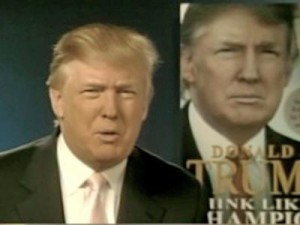 imposed 10% import levies on playing cards from the United States, though China is yet to make its intentions known. More on that in a minute. “For Canada and the EU, winning this trade war means returning to the way things were before [Donald] Trump interfered with the up-to-then smoothly operating world markets. Since Trump has stated no goals, there is no way for Canada or the EU to do whatever it is he may want … These retaliatory tariffs are meant to send political, not economic, messages. They are only incidentally protectionist.”
So who yelps when the playing-card industry gets pinched? 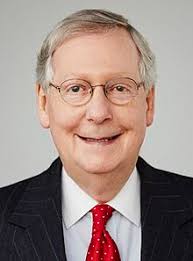 “Bicycle®, Bee®, Aviator® and many others are all made by the United States Playing Card Company, located in Kentucky. Not coincidentally, Kentucky is represented in the US Senate by Mitch McConnell, the Majority Leader.” (Bourbon was also a tariff target.) “Another political advantage of hurting the US playing card industry is that the major buyers of cards are casinos. And the Trump name is associated with casinos, even though he doesn’t own any at the moment.”
So where does China come into all this? Many of Macao‘s casinos are not only U.S.-owned, they’ve gluttonous appetites for cards. According to Rose, who’s seen it for himself, Sands China destroys thousands of used cards by the day. How come? In large part because baccarat players, Macao’s customer of 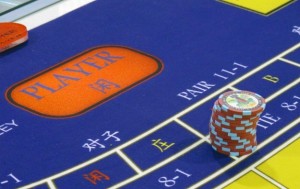 choice, like to warp their cards during play: “I have spoken with longtime Chinese baccarat players who believe that they can literally change the numbers on their cards, even after the cards have been dealt. This superstition results in cards with bent corners. So, the Sands and other casinos destroy playing cards after being used just once.” Ergo, “tariffs on US playing cards means either shifting to cheaper cards made in other countries, which can lead to security concerns, or taking a direct hit on the casino’s bottom line.” After all, as Rose points out, you can’t raise the price on baccarat. Besides, playing-card tariffs would nibble away at the bottom line. It’s all theoretical at this point but the Crown 18 could tell you than, when China wants to make a point it doesn’t mess around.
* Westgate Las Vegas extended two contracts this week (and it’s only Wednesday). The first was Paragon Gaming‘s casino-management agreement, which has been elongated for an unspecified period of time. But Westgate is clearly happier with Paragon than it was with its predecessor. One thing it specifically admires is a lack of red tape: “Paragon Gaming’s best practices, according to co-founder and Chairman of the Board Diana Bennett, allow management and employees the autonomy to  form personal connections with customers and address issues of concern without the burden of bureaucracy.” For her part, Bennett was quoted as saying, “Looking forward, we aim to make Westgate a centerpiece of the thriving North Strip, while always focusing on a level of service that ensures an outstanding guest experience at every level.” Aside from the fact that the North Strip isn’t thriving these days (just ask Andrew Fonfa), it would be a neat trick making Westgate a part of that scene, given that it’s a mile off the Las Vegas Strip, always a strike against the iconic property.
The other contract protraction was Barry Manilow‘s residency at Westgate. Unlike Paragon, Manilow’s contract comes with a firm term limit: June 2019. Tickets for at least some of the 33 additional concerts go on sale Friday.
* Wait ’til next year. That’s the news Ohio state Senate President Larry Obhof (R) had for would-be sports bettors. A bill to legalize sports wagering won’t be sent to committee until the lame-duck session in November and a floor vote this year is out of the question. This is probably a good thing because both the House and Senate bills are described as being embryonic in nature, lacking critical specifics, pretexts for getting the issue before the 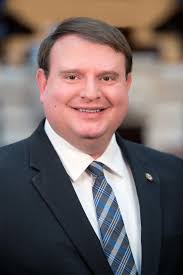 Legislature.
Noting that the Ohio constitution explicitly states what forms of gambling are legal in the Buckeye State, Obhof thinks sports betting is more fit for a constitutional amendment, not the Lege’s consideration. A gaming-industry skeptic, Obhof would vote against sports betting regardless. So, getting back to cards, you might say the deck is stacked.
Over in New Jersey, casino operator Greenwood Racing (parent of Parx Casino and Pennsylvania OTBs) is protecting its flank by sitting on the gaming rights within the former racing oval of defunct Garden State Park. For two decades it’s hung onto the gaming entitlement for an OTB of a 10-acre parcel. Newcomer Cherry Hill Towne Center Partners wants to build a sports book at Towne Place at Garden State Park but it’s going to have to go to court and it looks like it’s going to get ugly before it gets resolved. It’s all very complicated and bound to make your head hurt.
