

 Let’s start on the sunny side of the street. Voters in Kentucky, as expected, returned Gov. Steve Beshear (D, right) to office, clobbering two opponents. Given the probability that there will be a renewed push for casino gambling in Beshear’s second term (and sooner likelier than later), the big question is how Beshear will go about it. Up ’til now he’s favored the more expeditious route of going straight through the Legislature. His vanquished opponent wanted to take the somewhat riskier path of putting the matter to the voters as a constitutional question — which also elongates the timeline for enabling racinos in the Bluegrass State. Bottom line: The industry has an influential and mandate-carrying friend in the governor’s mansion.
 Ready to rumble. In a more long-term play, New Jersey voters said “yes” to sports betting at racetracks — helping wean them off the teat of the casino industry — and casinos, throwing a potential lifeline to both. There are still several legislative, electoral, judicial and possibly even Congressional hurdles to be vaulted. However, state Sen. Raymond Lesniak (D, right) and Gov. Chris Christie (R) are finally on the same page, and they’ve got 65% of voters behind them. This sets up an exciting confrontation with the federal government, with Atlantic City‘s fate hanging in the balance.
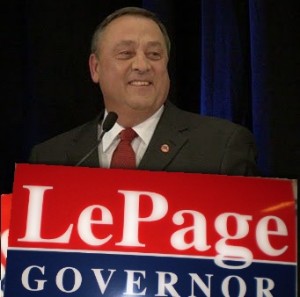 We don’t second-guess the electorate here at S&G (or try not to) but it’s a kind of a bummer to report that Maine voters shot down two racinos and a casino yesterday. That’s awfully good news for Penn National Gaming, which is jealously guarding its market share in Bangor, and for Black Bear Entertainment, which is beavering away in Oxford, across the state. (Both companies are alleged to have run anti-casino campaigns this year, which would be true to form for Penn.) Throw in a heavy anti-casino war chest, vociferous opposition and the disfavor of Gov. Paul LePage (R, left) and the gaming industry was routed, especially in Lewiston, where a casino was voted down by landslide margins. The industry has gone 2-for-8 in Maine elections now. Voters nixed over $220 million in promised investment statewide, but ultimately decided that the collateral costs outweighed the economic input.
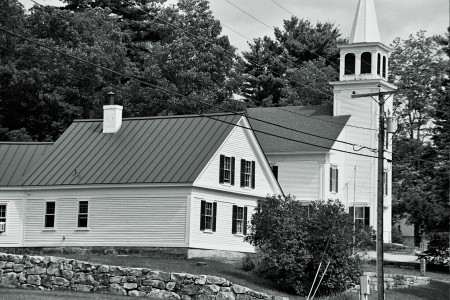 A thumbs-down in Maine fuels heightened speculation about what New Hampshire will do. The Granite State is already quaking at the prospect of casinos next door in Massachusetts. In fact, lawmakers are sufficiently trepidatious that they’ve gone from talking about one casino to two and now to four. The big obstacle is the state Senate, where the Ways & Means Committee punted the issue into 2012 but, more importantly, kept it alive. Tuesday’s vote in Maine takes some of the pressure off but probably not sufficiently to deter lawmakers from authorizing at least two racinos. The sticking point between the upper and lower houses appears to be licensing fees, with the House favoring $50 million apiece and the Senate aiming for $90 million. That’s the trouble with licensing fees: The state only gets one bite at that apple (the only guaranteed money in the deal) and if you’re seen as having undersold it, the recrimination will be endless.

David, regarding “Atlantic City’s fate hanging in the balance”. I know everyone in NJ is pushing for and hoping that sports betting is going to be some sort of savior for the horse tracks and a boost for AC. My own thought is if NJ does all the heavy lifting fighting Uncle Sam on the states rights and they eventually get granted the right to wager on sports wont every other state follow?
Most of them will … although you never can tell. Look at what just happened in Maine. But if anything can arrest the declining fortunes of Atlantic City, it’s intrastate sports betting. It might not pull in players from neighboring states but it’s the last significant revenue source left untapped. In the final analysis, they can’t afford NOT to try it, especially after having complacently passed it up two decades, one of many forks in the road where Atlantic City took the wrong turn.
Could not agree more. Thanks