

 One of gaming’s biggest new markets went out with a whimper, not a bang, when colorful Toronto Mayor Rob Ford nixed a scheduled vote on whether to put a casino in the lakeside city, hoping to extract a $97 million “hosting fee” from Ontario. Faced with probable defeat, the measure was pulled, leaving all the Las Vegas giants scratching their heads and deciding what to do next. All had been willing to commit huge amounts of money to the Great White North … insane amounts in the case of MGM Resorts International. But if Toronto citizens aren’t tractable to the idea of a casino, some of their suburban neighbors might not be so persnickety.
Elsewhere in the province, Caesars Windsor finds itself in the imminent prospect of competing with Gary Loveman‘s BFF, Dan Gilbert, who’s wrapping up his purchase of Greektown Casino, in Detroit, where Caesars Entertainment would undoubtedly rather be. Since no company can, by law, own two casinos in the market, Caesars has to find some way to unload woebegone Caesars Windsor and there’s a tough sell. The gaming industry up north, meanwhile, is struggling through the loss of a $335 million (USD) subsidy to horse tracks and the unexpected sacking of the Ontario Lottery & Gaming Commission‘s chairman.
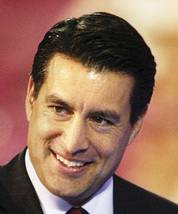 Gaming’s going to have to continue going it virtually alone when it comes to picking up the tab for the Nevada. Gov. Brian Sandoval (R) spurned Steve Wynn‘s request for a microbe-sized gross receipts tax. Further contradicting Wynn, Sandoval said the state’s casino industry was “improving steadily.” By contrast, in Colorado, where casinos have had several rough years, the tax rate will not be raised again, as it was last year. Further cause for celebration was an $18 million increase in gross gaming receipts in 2012. Not huge, but heartening just the same. Back home, Sandoval threw the industry a bone in the form of a possible Internet poker alliance with Texas. It’s difficult to visualize Gov. Rick Perry (R), a steadfast gambling opponent, signing that bill — but he owes Sandoval a favor.
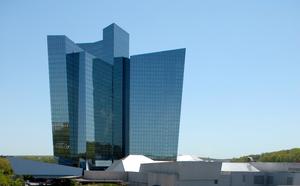 Didn’t I predict that Springfield-spurned Penn National Gaming will now likely pursue a casino license in Massachusetts‘ southeastern Region C? Seems others have reached the same conclusion. Penn’s “street cred” would dwarf anybody else currently in the running. However, Bay State casinos shouldn’t bank too heavily on the Connecticut market: The state’s two tribal casinos posted further declines in slot revenue, with Foxwoods Resort Casino, in a seven-month swoon, down 10%. On both a dollar and percentage basis, Mohegan Sun (above) performed better, 4% off last year’s pace.
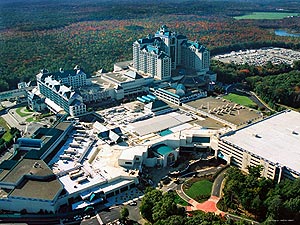 We’re going to have to take Foxwoods CEO Scott “Woody” Butera‘s word for it that good times are already here. “Table games, food and beverage, entertainment and the overall profitability of the enterprise were very good,” he asserted, but those numbers aren’t shared with the state. Foxwoods’ gaming numbers weren’t even helped by taking 100 slot machines off the floor, the first time it’s had fewer than 6,000 in 12 years. Sounds like “Woody” needs to cut back a little further on his slot inventory. At least he and his opposite numbers at Mohegan Sun can take comfort from New York Gov. Andrew Cuomo‘s nixing of slots at Belmont Park and OTB outlets on Long Island. Cuomo’s dealing a hot hand right now, having just struck a lucrative deal with the Turning Stone racino upstate.

“Woody”…I love it! Cracks me up every time.