

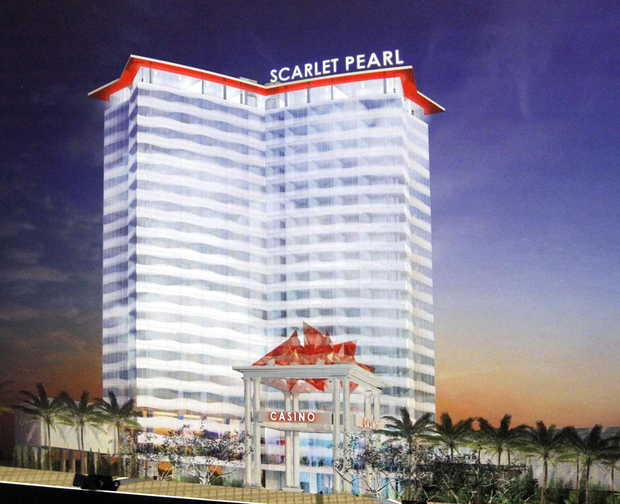
 Time was when Biloxi was considered one of the three premier casino resorts in America. That, of course, was before Hurricane Katrina literally swept the city’s casino fleet from its moorings. The city has been trying to right the ship ever since. It’s never been quite the same, although an infusion of $653 million in impending capital suddenly bodes well. From the completion of Hard Rock Hotel’s Platinum Tower to a planned, 400-room addition to Grand Casino Biloxi (to be re-branded as a Harrah’s), the city by the sea is seeing the equivalent of eight new hotel towers — counting renovations. Feeling particularly “george,” Beau Rivage has donated land for the city to build a baseball stadium.
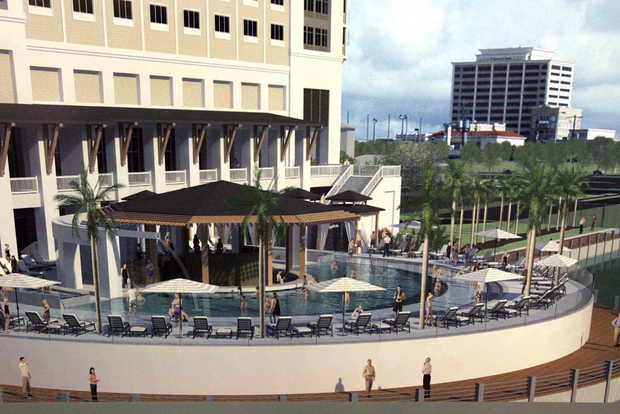 Glass half-full, Biloxi is going to surpass $1 billion in gambling revenues. Glass half-empty, that’s off last year’s pace. However, economic doldrums mean that construction comes at a bargain … a nicety that casino developers have been quick to exploit. Low taxes (12%) are certainly no impediment to expansion. Casino builders are still big into theming, much puts them behind the industry’s curve, but they’re catching onto the need for amenities: A good gamble is no longer enough.
 One hates to put it that way but natural disaster is casino expansion’s best friend. Case in point, Cedar Rapids, Iowa. The city has been rebuilding ever since a 2008 flood and is now pitching the “capstone”: Cedar Crossing casino. Its fate now rests in the hands of the Iowa Racing & Gaming Commission, which must weigh the economic benefit of Cedar Crossing against the cannibalization it will inflict on other properties. Iowa regulators are sensitive to the latter point, but if Cedar Crossing can make the case that its market is underserved, it’s in.
