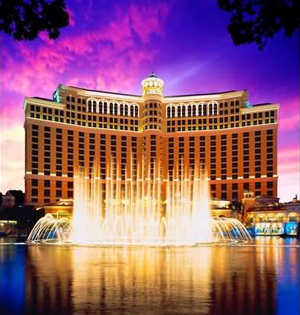
Las Vegas numbers perplex; Macao shatters expectations
While Las Vegas, as mentioned earlier, is slogging through a 10-month visitation slump, you wouldn’t know it from March’s gaming-revenue numbers, which were 9% higher on the Las Vegas Strip ($574 million), although 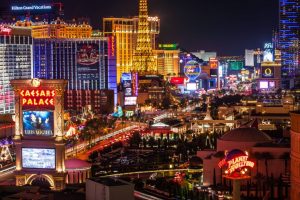 locals casinos took a 5% hit. Deutsche Bank‘s Carlo Santarelli suggested that the Strip result was a bit of smoke and mirrors. The increase was “due entirely to stronger than expected baccarat drop/hold … given the majority of the Strip operators already reported, the result is largely inconsequential.” Slot revenue was flat at $278.5 million on slightly lower coin-in and tighter holds, while tables ($179 million) were down 8% on the Strip. The star performer was baccarat, up 115% on 52% higher volume and also enjoying a favorable calendar — one more weekend day.
Downtown ($54 million) got hit hard, off 14%, while North Las Vegas ($24 million) was down 9% and the Boulder Strip ($64.5 million) slipped 6%. Laughlin ($52 million) was up 2%, though, while uncategorized
 immediately contribute to Boyd’s free cash flow, as well as taking some pressure off Par-A-Dice casino. “Gaming investors have a case study for this BYD deal in PENN’s 2015 acquisition of Prairie State Gaming and we believe that experience has been favorable from an ROI perspective,” wrote Deutsche Bank analyst Carlo Santarelli, while noting that Penn National Gaming bought Prairie State for a low cash-flow multiple (4.5X) while Boyd is paying a premium 8X.
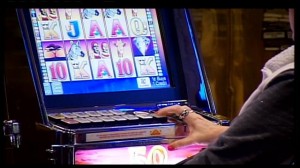 gambling-addicted
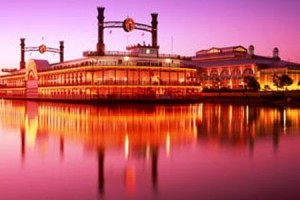 $163.5 million in 2016, according to the Illinois Gaming Board. Its revenue has steadily declined since 2007 after a peak of $436.7 million, and employees have decreased from 2,500 to 800.” — the decline and fall of Grand Victoria, red-headed stepchild of the MGM Resorts International family. Small wonder MGM
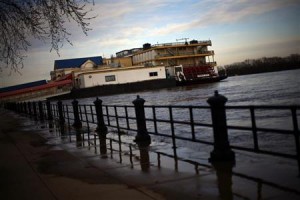 Victoria’s performance improves. “Grand Victoria would be a bigger part of the Eldorado‘s portfolio than it is for MGM, so maybe there would be more focus on the property,” said Councilman Terry Gavin. Also not-uninterested is Kane County, which gets 7.5% of Grand Victoria’s net operating income, which goes toward everything from food banks to environmental remediation. The riverboat is a legacy from MGM’s absorption of Mandalay Resort Group, a transaction that left MGM with a number of small-fry properties it has been selling off here and there. Divestiture of Grand Victoria is consonant with that strategy — and MGM doesn’t have to pay Illinois‘ inflated tax rate anymore if the deal goes through.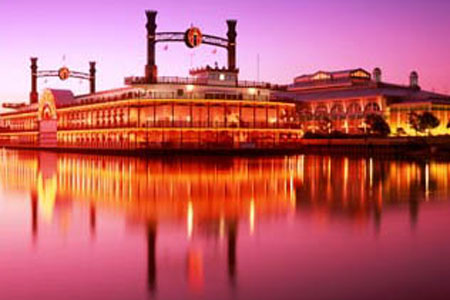

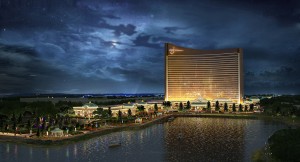 neck. Although this would mean giving almost the entire Massachusetts casino market to one company, Massachusetts Gaming Commission Chairman Stephen Crosby

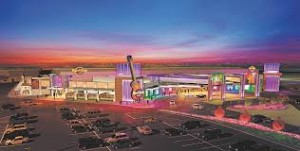 Street speculation is that we’re just seeing the beginning of the transaction. JP Morgan analyst Joseph Greff expects that the operating company half of Hard Rock will be spun off to a third party, but “we’d be surprised if it was MGM or some other operator with a meaningful Ohio operation.” Adds Deutsche Bank‘s Carlo Santarelli, “we believe, given the lessons learned from the GLPI acquisition of Meadows, that some loose agreements/backstops are likely in place.” (Gaming & Leisure Properties acquired the Meadows racino in Pennsylvania with an eye to having Pinnacle Entertainment run it.) MGM is paying a pretty penny for the physical asset: $1 billion or 13 times cash flow. Whew! Given the drawing power of the racino, however, we’d hesitate to say that MGM Growth Properties overpaid.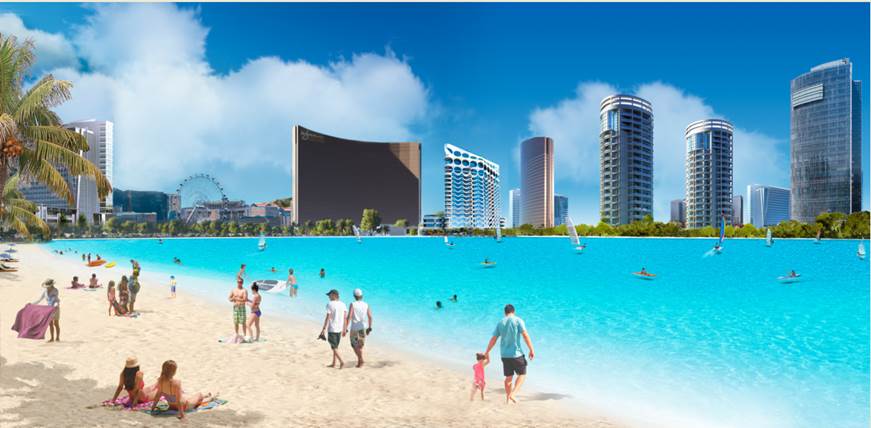
 consideration.” So say goodbye to nightly fireworks, free ice cream and giant apes, animatronic or otherwise. And take a good look at that rendering of Wynn Paradise Park because you’re probably never going to see it again. Wynn Resorts, if Santarelli is right, is moving away from the experimental, sometimes daffy things that Steve Wynn would initiate and towards what it understands: another hotel-casino on the Strip. Here’s hoping they try some new ideas in architecture and that Wynn West won’t look like the afterbirth of the amours of Wynn Las Vegas and Encore. It’s a good thing the company didn’t completely rip up the golf course, lest that acreage remain fallow. In an unrelated (?) development, Dr. Ray Irani abruptly resigned from the board of directors, while Alvin Shoemaker will step down at the end of his term.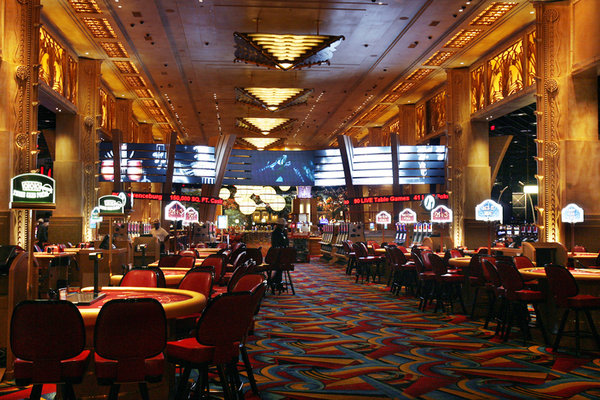
 although those who showed up seemed to have spent 21%. In any event, gambling revenue tumbled 8%. Most the action was in the Chicagoland area, which produced (when blended with casinos on the Illinois side of the border) $147 million in revenue, also down 8%. Safe in Lawrenceburg, nearer the Kentucky market than thee, Penn National Gaming‘s riverboat made $14.5 million, up 6%. Other operators got hammered, including Pinnacle Entertainment (-12%), Caesars Entertainment (-18%) and Boyd Gaming (-16%). There’s no way to be certain, but all three are heavily invested in the northern tier, where Four Winds Casino could be inflicting depredations on their player base as customers try out the new kid on the block.
 somewhat vague directive, admittedly) nor directly involve themselves in loco-weed business. After all, no matter what Jefferson Beauregard Sessions might wish, there’s no crime in talking about wacky weed, provided nobody lights up a doobie. It’s good to see that the casino industry will see some benefit, however indirect, from Nevada‘s new status as the capital of legal reefer. Admittedly, it’s more of a boon to residents, as tourists can neither smoke in public nor in your hotel room, so pot tourism would seem to be a non-starter.
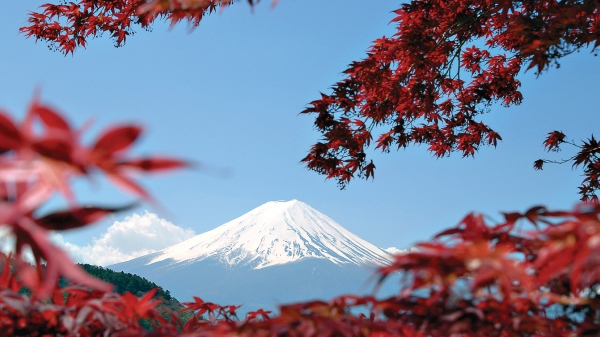
 about sinking $10 billion into the Land of the Rising Tax when you consider how the LDP would punish success: While a 30% flat rate on gross gaming revenues has been proposed, it has been countered with a sliding-scale scheme that would begin at 30% (on $1.4 billion in GGR), continue to 40% billion on $1.4 billion to $2.8 billion and max out at 50% on any revenues above $2.8 billion a year. A Morgan Stanley investor note predicted that such measures, in which one detects the heavy, anti-casino hand of the Komeito Party, “could discourage potential casino operators from investing too much on capital expenditure due to lower return on invested capital.”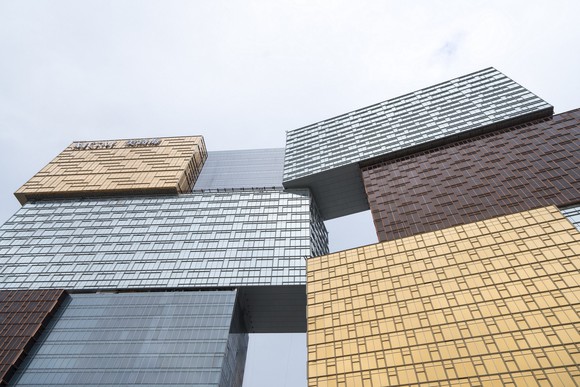

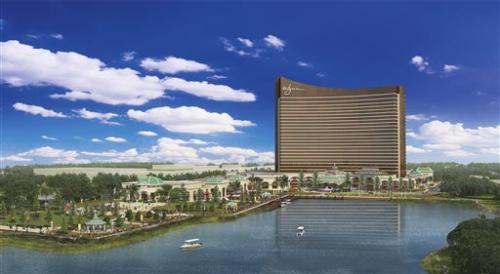
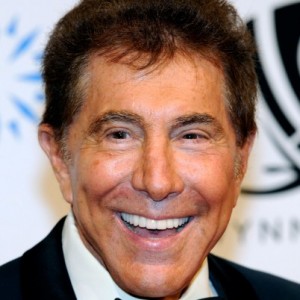 reporting that the University of Iowa “announced plans to remove Wynn’s name from the school’s vision research institute in light of sexual misconduct allegations against Wynn.” The $25 million endowment by Wynn, made in 2013,
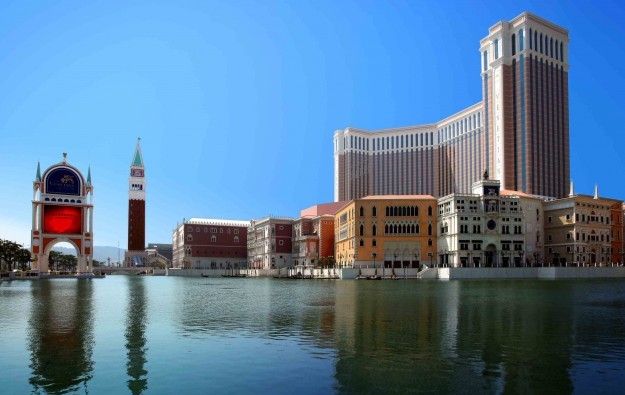
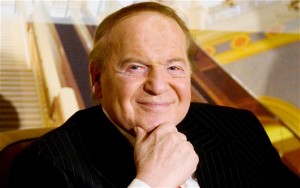 in with $731 million. Even though recovering from three cracked ribs, CEO Sheldon Adelson had to like those numbers. He’s even been approached to sell Sands Macao, but waved that off. “Our strategy to build integrated results towards scale and diversity is clearly paying dividends … I’m very optimistic and I’m very, very confident about the growth of Macao,” he told investors.
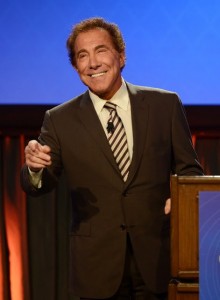 precedent, he would join it with Wynncore by virtue of the Las Vegas Strip‘s first enclosed pedestrian bridge, an air-conditioned “umbilical.” Explained the magnate, “With our room rates, we operate 50-to-60 percent margins in the hotels. So I want to add more rooms.” The move comes while Wynn Paradise Park is in its nascent stages, giving Las Vegans the chance to see Wynn build two luxury hotels simultaneously. It won’t be cheap to stay there: Think $400/night. For that outlay you get two bathrooms and an 80-inch TV. In the face of a 1.5% slippage in Las Vegas-derived revenue, Wynn challenged Wall Street. “You have to ask yourself, investment community, do you believe that Las Vegas, Nevada, will for the next decade or two continue to be a major destination city in the United States of America and the world?”