

Connecticut casino legislation was yet another exercise in futility this session, with the Lege gaveling the end of business without any gaming bills being passed. However, a special session is anticipated, mainly to address an unrelated litigation settlement. Perhaps then solons will succeed in moving a 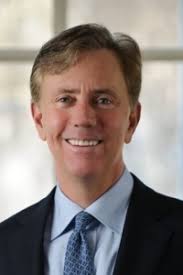 bill to authorize a tribal casino in Bridgeport, something sure to send MGM Resorts International into a hot conniption fit. Indeed, the proposal—which would call for $100 million in state and civic subsidies—seems certain to draw litigation, at least from Gov. Ned Lamont‘s point of view. “Instead of resolving outstanding litigation, it puts the state at increased and immediate litigation risk from multiple parties,” said Lamont’s spokeswoman. Responded a tribal representative, “Litigation is part of the cost of doing business, whether you’re building a mall, a church or a casino.” This cautious stance comes as a reversal for Lamont, who had previously expressed support for the idea. Both Mohegan Sun and Foxwoods Resort Casino, who would presumably run the Bridgeport casino jointly, are banking so heavily on it that they continue to stall on the start of construction for Tribal Winds in East Windsor. Sports betting also came up short in the session, probably not least because it also involves the thorny issue of tribal exclusivity.
* Waukegan, Illinois, has been banking so heavily on being approved for a new casino that city fathers have even held land in reserve for just that purpose. It’s a do-over opportunity for Waukegan, which lost the last casino license to Des Plaines in 2008. Meanwhile, Chicago‘s planned, 4,000-position casino  looks like a big-ass opportunity for the private sector, civic ownership have been blue-penciled by the Legislature. “We tried, but it was very clear that was a proposal that wasn’t going to make its way through the General Assembly,” said Mayor Lori Lightfoot. She added, “People have been talking about a Chicago casino since casino gambling came to the state almost 30 years ago. This is the first time we’ve actually got concrete steps in the right direction to make that hope a reality in Chicago.” Lightfoot has ambitious timeline, looking to get the casino open in two years or less. That sounds like a recipe for a quickie-casino solution but we’ll see what happens once reality sinks in, as it is bound to do.
* Sports betting is trying to stage a jailbreak in Ohio. While the state Senate would restrict it to casinos and racinos, and the House would add veterans and fraternal organizations to the mix, representatives of bars, bowling alleys and convenience stores want sports betting wherever lottery tickets are sold. 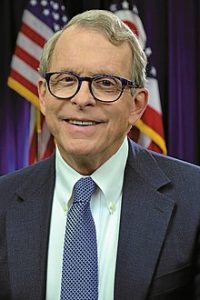 As bowling potentate Joe Poelking says, “The ability to be able to offer additional entertainment options has become a key factor in our business.” In the other corner is Penn National Gaming, whose Eric Schippers described a casino-only approach as “critical” to success, saying “We have well-established, rigorous compliance and responsible gaming protocols in place to ensure a safe wagering environment for consumers.” Not only does the precent of shutting down renegade Internet cafés not bode well for small businesses, Gov. Mike DeWine (R, pictured) is against spreading sports betting beyond the gaming industry. As state Sen. Joel Eklund (R) wrote, “If we are to allow it in Ohio, it must be carefully controlled to maintain the integrity of the underlying sporting events and the wagering itself … Sports wagering simply does not belong in every convenience store and gas station in Ohio.”
Then again there’s Ohio Licensed Beverage Association Executive Director Andrew Herf, who asks, “Why wouldn’t they have some system to reward the people who’ve been committed to the lottery for decades? Why wouldn’t you want that proven marketing stream churning money for the state? It seems like a blind spot in the policymaking.” Herf suggests a compromise whereby the largest of the state’s 3,000-odd sellers of lottery tickets get in on sports betting, too. Booze boss Herf, perhaps short-sightedly, doesn’t think much of mobile wagering, arguing “We believe that people who place bets on games watch more, stay longer, and that’s really the upside for bars in Ohio.” We shall see.
* Encore Boston Harbor hasn’t even opened yet and it’s already creating parking problems.
* Almost 75 years after being vaporized by Allied forces in World War II, Nagasaki has emerged as a casino frontrunner, acing Yamaguchi, Honshu and Okinawa. (The last was probably never a serious contender, due to its isolation.) With 13 million residents, the Kyushu province powers 10% of Japan’s economy. Huis Ten Bosch had already been kicking around a casino concept—albeit in Sasebo, not Nagasaki. Also, it’s a relative lightweight going up against the heaviest hitters in Big Gaming.
