

New Jersey lawmakers are wasting no time getting a casino-expansion question onto next year’s election ballot. Enabling legislation fairly shot out of committee in both houses of the Lege. The Assembly version would 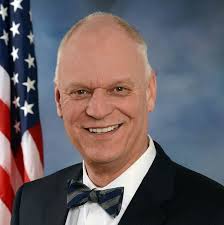 devote 33% of tax revenue from two gambling houses in northern New Jersey to Atlantic City. That arrangement would last for 15 years, after which the subsidy would be stepped down to 20% in Year 25. None of this seems to impress dapper Atlantic City Mayor Don Guardian (R, right). It’s hard to disagree with him when he calls the policymaking in Trenton “devastating” for the Boardwalk.
Lawmakers seem to tacitly agree, having just send a bill to Gov. Chris Christie‘s desk that would set aside job-retraining funds specifically for unemployed casino workers. As for the proposed new casinos, only two counties in the northern tier of the Garden State would be eligible, which is stirring up some opposition from the likes of Atlantic County state Sen. Jeff Van Drew (D), who balk at how only a few northern counties have been juiced in to benefit from the ballot initiative. Coming just when Atlantic City gaming revenues have stabilized, this referendum will be a cruel blow. Given the time it takes to build a casino resort, the Boardwalk still potentially has a few good years ahead of it but once a casino opens at, say, the Meadowlands, the picture is sure to change for the worse.
* MGM Resorts International has been green-lit by the Massachusetts Gaming Commission to begin preliminary site work on MGM Springfield. However, neither the MGC nor Springfield itself has signed off on the controversial design changes to the $950 million project, so it feels like the cart has been placed ahead of the horse. (Mind you, both bodies have 950 million reasons to say ‘yes’ to whatever MGM proposes.)
* The Mashpee Wampanoag tribe and Genting Group have five years to get Project First Light up and running, or Genting has to bow out. In a strange and parallel development, opponents are threatening a lawsuit but  say they won’t be able to file for six years. “Since the Administrative Procedures Act allows us six years to file in federal court, and understanding that litigation is costly, we expect to be taking advantage of all the time allotted to us in order to raise the funds required for a successful challenge,” wrote Tracy Marzelli in a letter to the MGC. “The reality of the situation is, the investors aren’t risking much by moving this project forward as quickly as possible.”
So it sounds like Marzelli is conceding that the casino is a fait accompli, although one can envision a nightmare scenario in which she gets construction enjoined, possibly for years. (Bye bye, Genting.) Marzelli’s endgame appears to be to allow the casino to be built, then force the federal government to close it. However, if the MGC chooses the Mashpee Wamps over Neil Bluhm‘s Brockton project for Massachusetts‘ last casino license, it could make an end run around the litigants. Even so, this sounds like the kind of nightmare courtroom scenario that Bluhm has been warning the MGC about in trying to make his case for Brockton.
* Add Indiana to the litany of states that are pondering the regulation of daily fantasy sports, that renegade phenomenon that operates without oversight. State Rep. Alan Morrison (R) is drafting a bill that would not 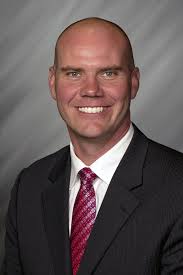 only require DFS firms to register in Indiana but pay a fee to operate. (After all, what good is it to regulate DFS if you can’t get some tax revenue out of it?) As is the case in a proposed Pennsylvania law, Indiana would authorize brick-and-mortar casinos to act as a platform for DFS. According to Morrison, his bill stems from a degree of frustration with the Gov. Mike Pence (R) administration: “We’ve seen several states across the country trying to regulate this or some ban it entirely, like Arizona. The attorney general of Indiana hasn’t offered an opinion on this and it has been left up to the General Assembly. I think it’s time to do something.”
It’s time indeed.
