
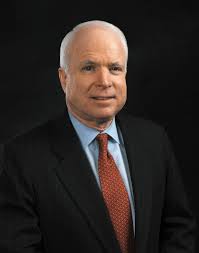
Arizona‘s congressional delegation continues to single out the Tohono O’odham Nation for being too successful. Sens. John McCain (R) and Jeff Flake (R), and Reps. Trent Franks and 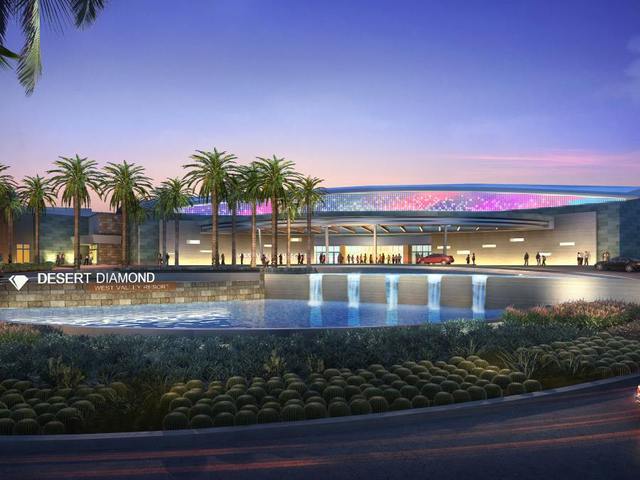 Paul Gosar are trying yet again to legislate the Tohono O’odham’s $400 million casino project out of existence. Other tribes in the area must feel proud that they can get two senators and a brace of congressmen to carry water for them. As Arizona Republic columnist E.J. Montini wrote of the nervily worded Keep the Promise Act, “Members of the U.S. government, which has broken just about every treaty ever made with the nation’s many tribes, is now trying to tell one of them to ‘keep the promise.'”
As Montini writes, the Tohono O’odham never promised not to build a casino on off-reservation lands, ones the acquired as a make-good for the flooding of ancestral lands in the 1980s. The tribe was simply smarter than its adversaries and pounced on an unincorporated tract, Montini writes, “that’s not too far from the hockey arena, the Arizona Cardinals‘ football stadium, the Westgate shopping area and – most importantly – the West Valley’s retirement communities. (Retired people love casinos.)”
 The congressional opposition is driven by — and for the benefit of — nearby gaming-enabled tribes that don’t want to see new competition. They’ve lost every court battle to date, so now they want to twist the law to their advantage by congressional act. Glendale and several surrounding communities support the project, of which Tohono O’odham Chairman Ned Norris Jr. says, “This is the third time in as many congresses that these [opposing] tribes are trying to re-write federal law to create for themselves a market monopoly in the greater Phoenix area.”
Although the 1986 pact with the tribe didn’t require the newly acquired lands to be contiguous with a Tohono O’odham reservation, McCain and Flake aren’t letting a little fact like that stop them. “We share the objections of many fellow Arizonans when we see attempts to bring Indian gaming to metropolitan areas that are on lands not connected to an extant reservation,” they write.
* As the playing field for the Super Bowl was being narrowed to the New England Patriots and Seattle Seahawks, the U.S. Treasury Department was dispatching a baleful letter to the American Gaming Association. “Increases in sports betting conducted on behalf of third parties are facilitating criminal activity and posing a money laundering risk to the U.S financial system,” it read. According to the International Centre for Sport Security, $140 million annually is laundered through sports wagering.
The letter was partly in response to AGA President Geoff Freeman‘s request for guidance on the issue, which was met with instructions from FinCEN. These read, in part, 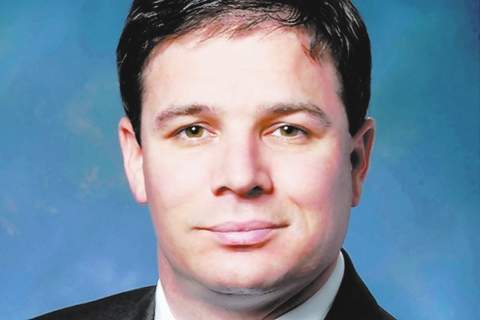 “intermediaries rarely voluntarily disclose to the casino that a transaction is being conducted on behalf of a third party, thereby disguising the third party’s role in the transaction and obscuring the source of funds used to place the bet. This poses distinct money laundering risks for casinos.” Even illegal bookie sites have been known to lay off some of their action (anonymously) on casino sports books, spreading their action around.
Freeman said he welcomed the guidance, which included reporting third-party wagers as suspicious activity and grilling bettors to make sure they are wagering for themselves. While Freeman took his medicine like a man, who also pointed a finger of blame at those offshore operators who remain beyond the long arm of the law: “While casinos routinely look for suspicious bets at sports books and have worked with law enforcement to identify illegal activity … no such oversight exists for the illegal sports betting market.”
* December was good for Foxwoods Resort Casino and Mohegan Sun in terms of the sheer amount of dollars wagered in their slots. Handle was up 3% at Foxwoods and Mohegan Sun’s was up 5%. However, slot revenue was 7% higher for the Mohegans and 4% lower for Foxwoods. That’s the biggest increase for Foxwoods in three years. Favorable economic conditions were credited with the heavier wagering, as oil and gas prices dropped.
* U.S. casino developers, you’d better be prepared to spend at least $4 billion to be considered as candidate to remake Vietnam‘s Phu Quoc Island. On the plus side, the government would give you a 30-year lease … plenty of time to make back that staggering investment.
