

Democratic Party lawmaker Yosuke Kondo has casino-legalization in Japan legislation wrapped around his pinkie like a piece of string. Prime
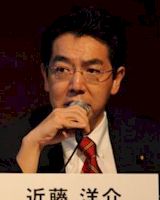 Minister Shinzo Abe may favor enabling legislation but right now Kondo holds the trump card. The bill is in a committee of which he is one of the two senior directors. As such, he can thwart debate, which hasn’t started yet. For the moment, Kondo is holding it hostage to demands. He wants various government officials, including the chief cabinet secretary, made available for cross-examination on the casino matter.
And the longer Kondo digs in, the less likely it is that casinos will be approved this year. He says his goal is for the bill to receive adequate discussion, which is pretty rich when he’s the one preventing any debate from taking place. A June 18 start of discussion has been mooted, but parliament adjourns on June 22, which is cutting it awfully close. And if the debate doesn’t start by the 22nd, that’s the ball game. There’s no bringing it up in the fall emergency session.
For all his delaying tactics, Kondo claims not to be opposed to casinos in Japan. But despite the swagger of Las Vegas Sands, Wynn Resorts, MGM Resorts International, Melco Crown Entertainment and Caesars Entertainment, he’s the man with the power right now.
A question for you. FinCEN director Jennifer Shasky Calvery “told a Las Vegas audience Thursday the casino industry can discover the origins of a high roller’s bankroll in the same way a casino host determines that customer’s favorite wine or music preferences.” What do you think? Is it a necessary safeguard against criminal activity or an invasion of privacy? I’ll admit to having severe qualms about casinos conducting background checks on their customers.
Faux pas. The Iowa Racing & Gaming Commission kicked over a hornet’s nest when it approved a Wild Rose-branded casino for rural Jefferson. This would be the 19th casino in the thinly populated state. The IRGC is charged with maintaining the economic health of the industry but it applied a different yardstick for Jefferson than it recently did for Cedar Rapids. (The Jefferson woman who said, “It’ll make us a destination” greatly overestimates the drawing power of a $40 million locals casino, though.)
Gubernatorial candidate Jack Hatch (D) favors a free-market approach,
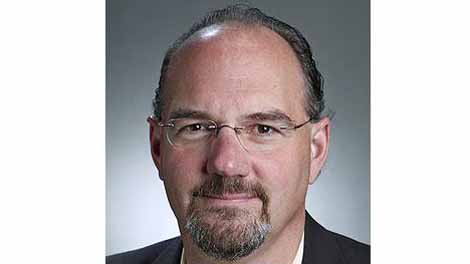 with the IRGC relegated to a policing role. Gov. Terry Branstad (R) would leave the IRGC as it is, although he’s not opposed to legislative revisions of its role. Cedar Rapids Mayor Ron Corbett (left) was not slow to pounce on the IGRC’s double standard between Cedar Rapids and Jefferson, rationalized by lesser amount of cannibalization in the latter case. He thinks that the clout of Wild Rose mogul Gary Kirke, a force in Iowa gaming, had more than a little to do with it.
The next step for Cedar Rapids is to reconceptualize its casino proposal as a smoke-free property and restart the whole process. “We’re not ready to throw in the towel,” said Corbett, who characterized the current regulatory framework as “a cartel that’s protected from the Racing and Gaming Commission.”
