

As China pays closer scrutiny to VIP play — and where the money is coming from — it’s driven down the high-end action in Macao … and  redirected it toward Las Vegas. Said Telsey Advisory Group analyst Chris Jones, “One thing about Las Vegas that isn’t talked about a lot is that it’s easier to get a visa to travel from China to the U.S. than in the past.” Whilst the Chinese government cracks down on money laundering at home, MGM Resorts International, Wynn Resorts and Las Vegas Sands are poised to welcome their premium players with open arms — and a wider variety of gaming product than Wynn or MGM can offer in Macao. They also get to keep a much bigger tranche of their winnings, freed of Macao’s 39% tax rate.
“Typically we see a spike in Las Vegas gambling ahead of the Chinese New Year, in November, December and January. This year, the momentum never slowed down after the holidays,” reports Jones. Besides, “Macao mass market revenue can’t grow at a 35% rate in perpetuity.” Still, Jones sees this more as a honeymoon for Sin City. “We don’t think you will see Vegas become the ultimate place to go.”
* Wynn Resorts is a quarter of the way done with Wynn Palace, its Cotai Strip pleasure dome. In a Hong Stock Exchange filing, Wynn Macau reported a 10% increase in gaming revenue — with fewer tables. 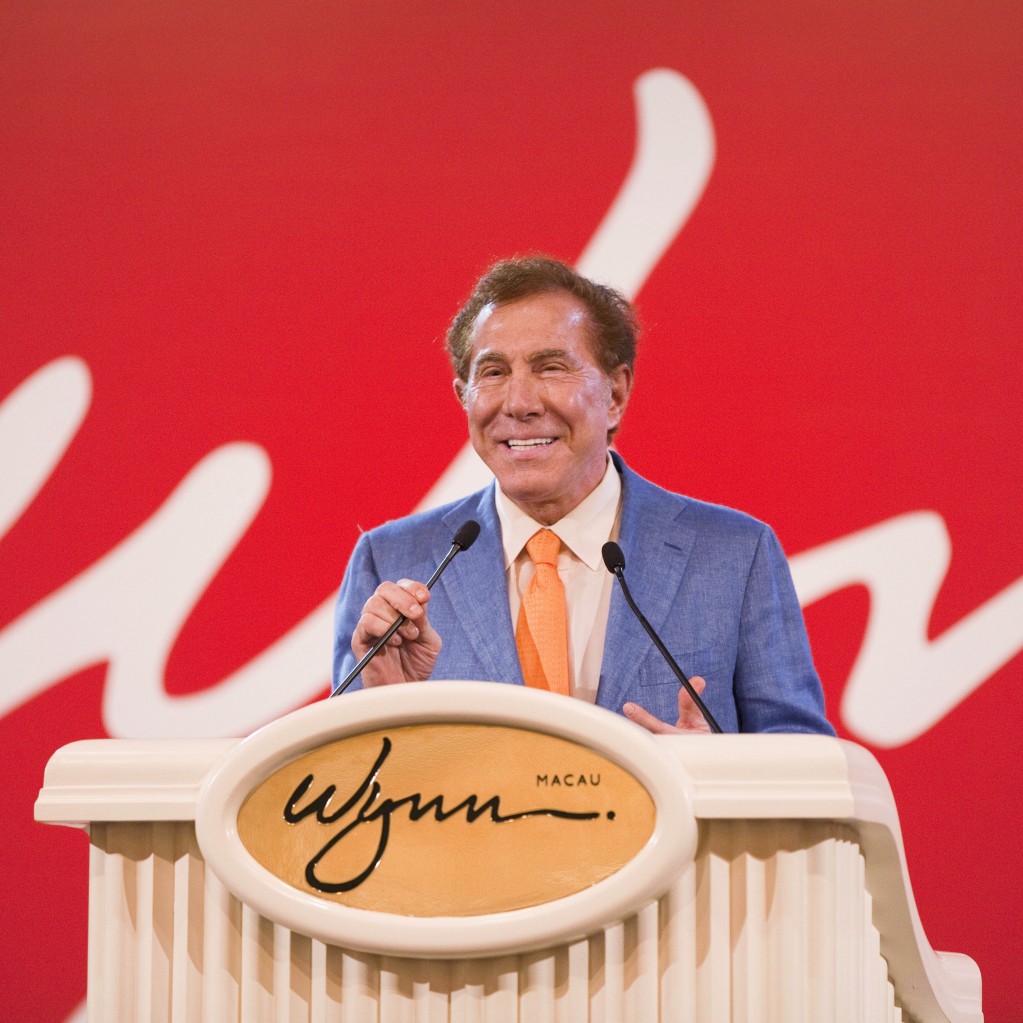 If that wasn’t good enough, the company enjoyed a $55 million tax exemption. The projected opening of Wynn Palace is now in the first half of 2016, which somewhat fudges the previous goal of Chinese New Year ’16. When completed, the megaresort will double Wynn’s table inventory and increase its room count by 170%.
In his most recent conference call, Steve Wynn showed admirable equanimity, shrugging off fears of competition. “Because we have no control over it we don’t give any thought to it,” he said. “The most important thing, first impressions matter, is to get the place off on the right foot.”
* “We will more than double in size. We increase hotel rooms inventory in excess of 60 percent and increase our VIP gaming area by more than two-thirds and with several restaurants, we have a lot more meeting space.” That’s Bloomberry Resorts President Thomas Arasi (late of Marina Bay Sands) speaking of phase two of Solaire, the company’s flagship property in the Philippines and its first megaresort. Other amenities will range from a Broadway-size theater to a karaoke room.
Arasi added that the cluster of casinos around and including Solaire would negate new competition from City of Dreams Manila. “When City 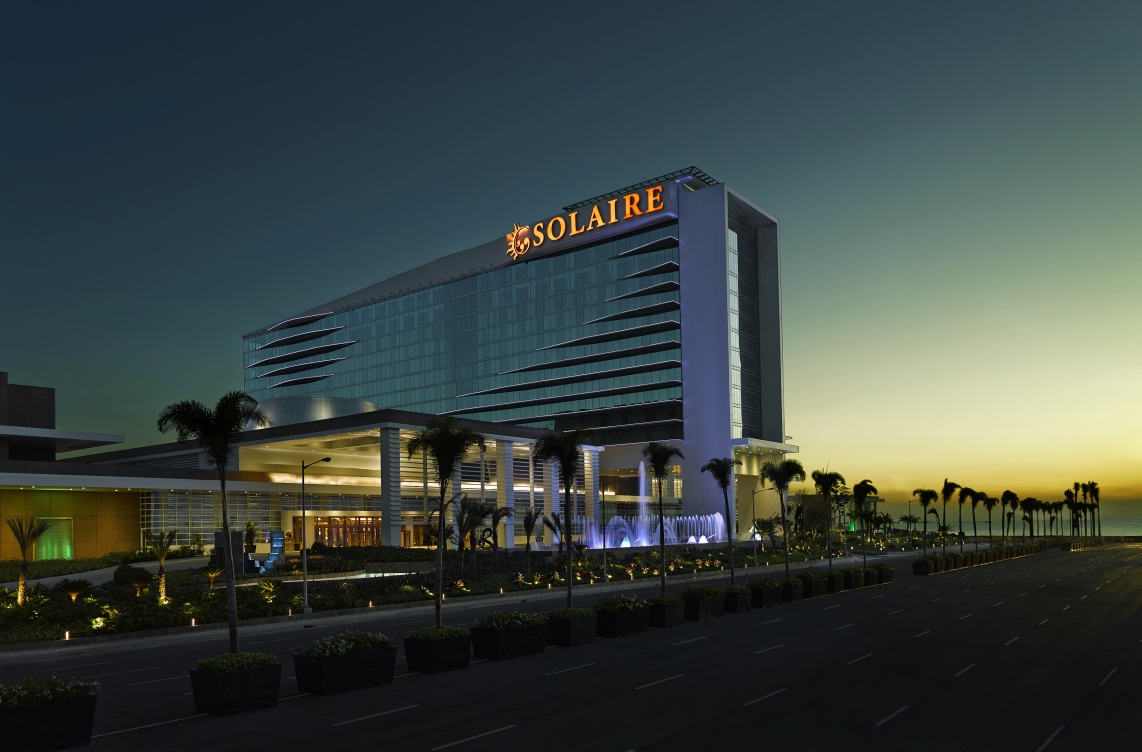 of Dreams Manila opens, there will be of course short-term competition. But [in the] medium-term and long-term, the Philippines’ gaming market and the Entertainment City are going to be stronger, appeal to more people and have more products and services by the fact that there will be three of us here.” The goal is to lift the Manila-area market into that top echelon occupied by Macao, Las Vegas and (still) Atlantic City. In other good news, a $200 million loss last year had swung to a $500 million profit in 1H14.
