

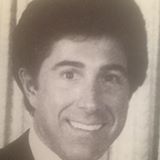
 Applicants for Philadelphia‘s remaining casino license say they’re still keen on their chances even though Steve Wynn has dropped out? And why not? Everybody else’s odds just got better. I’d be doing the happy dance, too, if I was Penn National Gaming spokeswoman Karen Bailey. (I also agree with her that Penn’s project is “right-sized” for the market and others are much too ambitious.) But it was quite an understatement by SugarHouse CEO Greg Carlin to say Philadelphia was “showing signs” of saturation: It’s been downright soggy for some time now. As for Wynn’s blaming New York‘s casino vote, I’m glad to see that I’m not the only person who found that perplexing. RBC Capital Markets‘ John Kempf took note of the huge geographical distance involved, adding, “We’re a little bit skeptical about [Wynn].”
As for Wynn Resorts‘ entry into Massachusetts, should a federal criminal probe be a bar? Probably not, since the feds have had seven months to request documents and can’t be bothered to do so. The SEC has already called off the dogs regarding Wynn’s gift of $135 million to the University of Macau. Perhaps, given its lack of urgency, the DoJ should do the same.
It’s time for a new business strategy at the Tropicana Atlantic City. Its reliance on high-stakes, high-volatility table games caused a 118% (that’s no typo) drop in table revenue last month. Revel Resort‘s slot promotions, by contrast, are paying off, with one-armed bandits racking up 58% more. Players shunned Trump Plaza with a vengeance, though, forcing the resort to eke along on about $190K a day. The bottom line for the Boardwalk is that, even with post-Hurricane Sandy increases in October and November comparisons, it’s still headed back to 1991 levels, at the sub-$3 billion level.
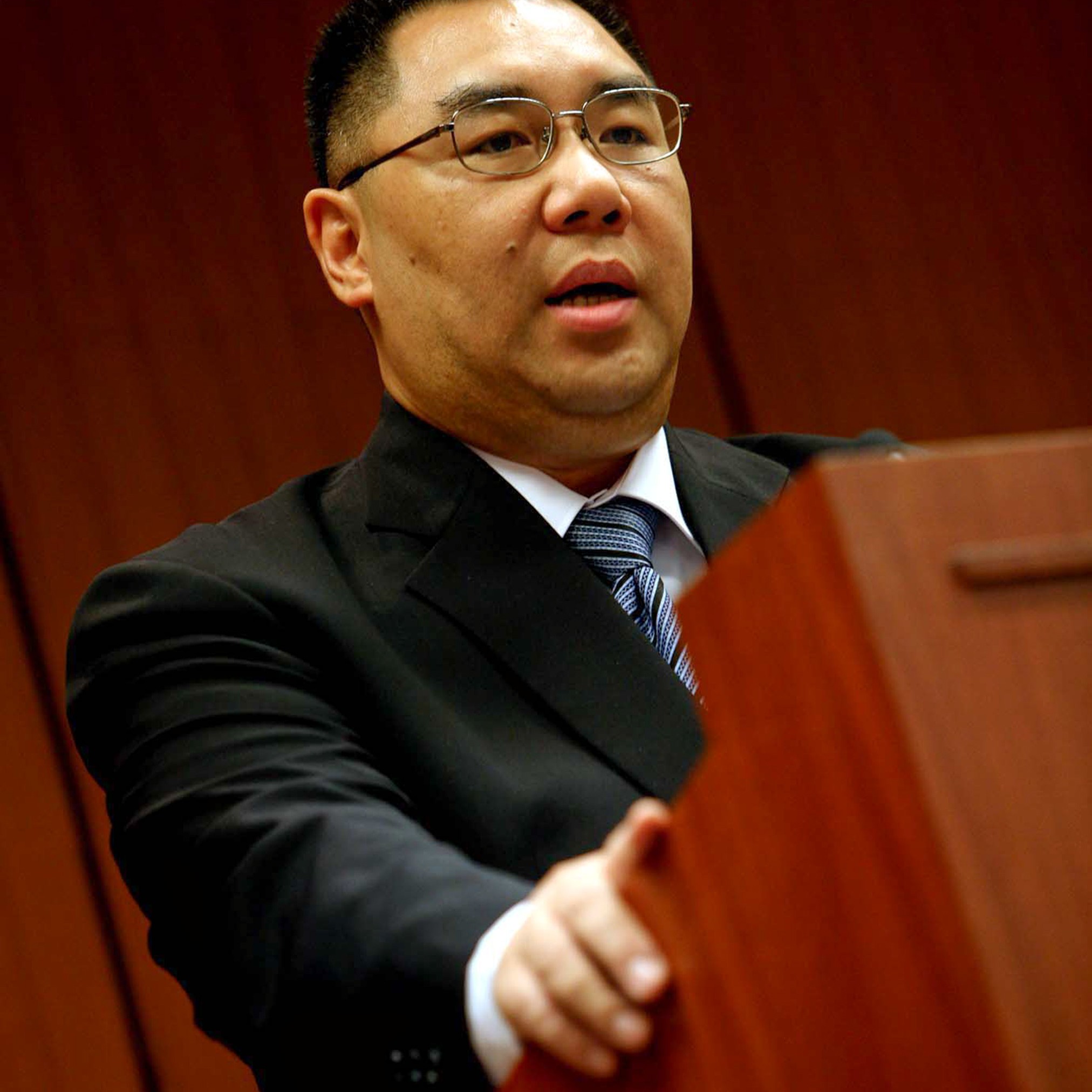 Faced with public discontent, the government of Macao is trying to buy favor with its constituents with a year-end ‘dividend’ of $1,127 per Macanese citizen. Chief Executive Fernando Chui (left) can afford it: Casino taxes are expected to bring in $11.9 billion this year. Coining the slogan “Macau properties for Macau people,” Chui promised to make affordable housing Job One, while slightly relaxing quotas on imported labor. He also waived the idea of quotas with regard to Macanese in managerial positions in the enclaves casinos. But he did vow to lobby for more. That’s probably something U.S. operators dread: A Macao workforce that knows the casino business so well, top to bottom, that it can take over and run the ship. When that happened in tribal gaming, private-sector operators found themselves superfluous.
