

As fast as MGM Resorts International can sell off non-core assets, the proceeds are consumed by new construction. Case in 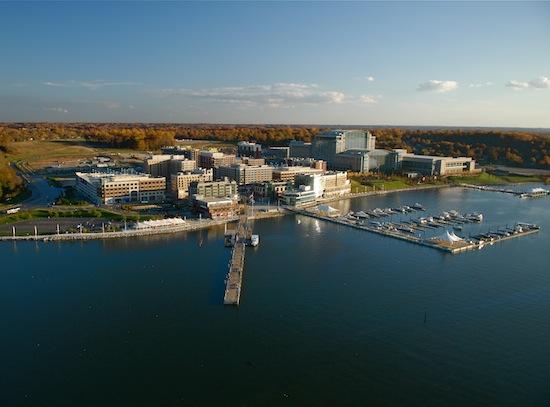 point: MGM National Harbor, whose initial $925 million cost has crept up to $1.3 billion. That’s money that can’t go to debt servicing and MGM is the second-most highly leveraged company in gaming. (Cautionary note: Caesars Entertainment is #1.) Having deployed 10 construction cranes and sunk 6,400 pilings, MGM’s course is set, with a late-2016 opening the eventual goal. General Manager Bill Boasberg helped oversee CityCenter and Aria, and has to like the odds of National Harbor better than his two previous projects.
The Springfield Republican describes the project as “a 125,000 square-foot casino that includes 3,300 video lottery terminals and 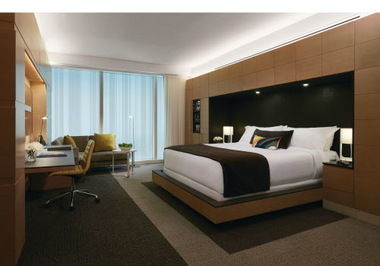 160 table games; a roughly 26,500 square-foot spa and salon; a transformable arena with 3,000 seats; 18,000 square-feet of retail space; 27,000 square-feet of meeting space and 12 restaurants,” plus a 308-room hotel. MGM projects it will draw 17,000 visitors a day and, at those proportions, it will need to. Some of the features, like motion-sensor lighting, will be familiar from Aria and MGM’s other recent Las Vegas Strip properties.
* Boston Mayor Martin “McCheese” Walsh (below) caught a nasty sideswipe from federal authorities who are prosecuting the three men (Charles Lightbody, Anthony Gattineri and Dustin DeNunzio) who sold Steve Wynn the land on which Wynn Everett will eventually stand. In a lawsuit against the  Massachusetts Gaming Commission, Boston attorneys accused the feds of giving a pair of private investigators access to sensitive documents and wiretaps. Not only do the investigators deny working for Wynn at the time, they’re seconded by Assistant U.S. Attorney Kristina Barclay, who characterizes Walsh’s accusations as based “on a rumor spewed and spun by the City of Boston in a vicious civil lawsuit against the Massachusetts Gaming Commission.” The city is pushing for a disclosure of the evidence, which could be embarrassing if there’s nothing to disclose.
The massive snit fit by Boston, Revere and Somerville is coming at 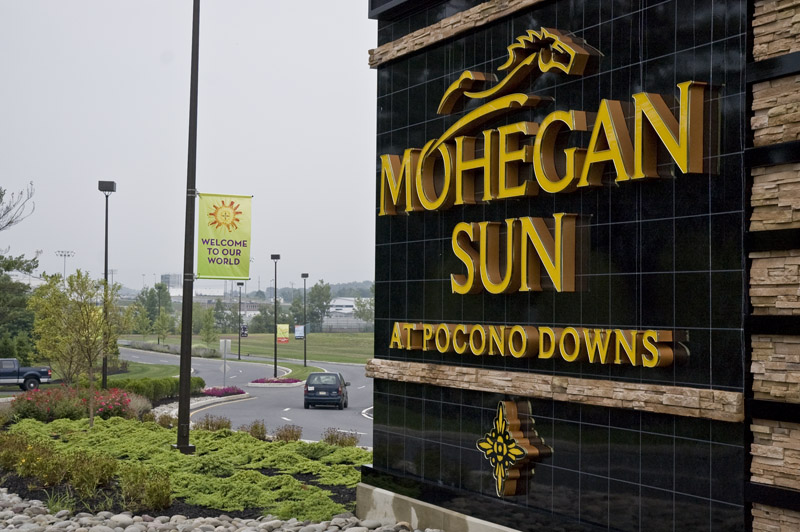 steep price to taxpayers: $1.4 million so far … and more if a Sept. 22 hearing permits the ligitation to go forward. Personally, were I a casino developer, I’d have serious questions about going forward in lawsuit-happy Massachusetts, where the inmates truly seem to be running the asylum. Revere Mayor Daniel Rizzo, for his part, is in the pocket of Mohegan Sun, which is paying for his city’s litigation. Gee, no hidden agenda there.
Meanwhile, only $80,000 remains of the MGC’s legal budget, so this may be a case of spending the commission into oblivion. Somerville  has to be complimented for getting a good deal on legal representation, spending only 79 grand to date. The sentiments of all three cities are essentially summarized by Mayor Rizzo (left), who whined, “We do not believe that the residents of Revere received a fair outcome. The city has lost many millions of dollars in improvements, revenue, and jobs as a result of the Gaming Commission’s flawed and tainted process.” If you don’t like the rules, don’t play the game.
* Deciding that if it can’t beat ’em it better join ’em, Penn National Gaming is bidding on an undisclosed slot route in Illinois, with 1,100 slots up for grabs. If Penn’s doing it, can Caesars Entertainment and Boyd Gaming be far behind?
* If you visit only one tourist attraction in Las Vegas, make it the Mob Museum. It’s so rich in content and atmosphere that my wife and I spent three hours there and only made it halfway through the exhibits. Chalk it up as “unfinished business.”

If I were Wynn, I would pack up and go home.