No, it’s got nothing to do with the smoking ban. Well, maybe. MGM Resorts International, as we mentioned yesterday, has decided it has too much hotel-room inventory going to waste on the Las Vegas Strip. As part of an austerity move, Park MGM is the first casualty, going dark (except for restaurants) from noon Mondays to noon Thursdays. Why Park MGM? It’s the only MGM Strip property to be operating in the red, making it a natural and inviting target for cutbacks. “While we do not currently expect the mid-week closures to remain in effect past December, we will continue evaluating business levels to determine how long Park MGM’s mid-week hotel closures remain in effect,” said marketing viceroy Anton Nikodemus. Interesting that MGM is, in effect, writing off New Year’s Eve, traditionally a booming period for business. But these are not traditional times in which we live.
Now that gaming has run the table of every single referendum in yesterday’s election, the question becomes: Who benefits? Well, consumers obviously. But what’s Wall Street‘s take? JP Morgan analyst Joseph Greff burnt some midnight oil and came to the following conclusions …





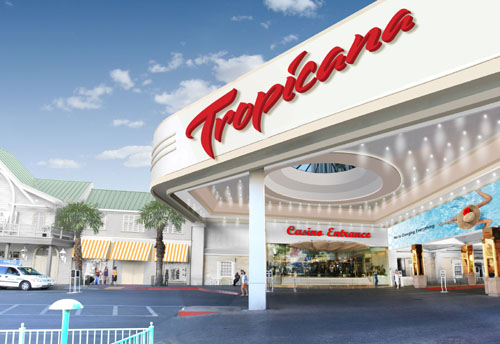
 In an elaborate transaction, Caesars Entertainment sold Tropicana Evansville to Gaming & Leisure Properties Inc. for $340 million, after which the lease on the casino will revert to Twin River Holdings, which will pay $28 million a year for the privilege in addition to the $120 million it paid Caesars for the operating agreement. Caesars gets the cash, Twin River the casino. This presumably will begin to assuage the concerns of Indiana regulators over the fact that CZR controls 60% of the gaming revenue in the state and must divest assets accordingly. CEO Tom Reeg whined recently that this was unfair and there was nothing wrong with an oligopoly—understandable, as his company gets to pocket all that money. Anyway, Caesars got an excellent price for its asset, boding well for future Hoosier State sales, especially if it puts its lucrative racinos on the market.