

Gaming stocks by and large didn’t feel the love on Wall Street yesterday, trending slightly downward, not counting 9% rallies for Station Casinos and Melco Resorts & Entertainment (the latter the only Macao operator to 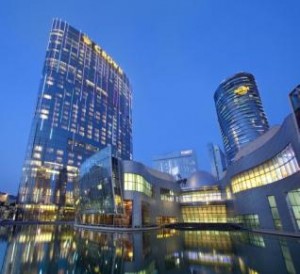 bounce back). The market recouped much of Monday’s selloff, reacting positively to the news that the federal government may raid the FEMA budget to fund economic stimulus. (An order of priorities we find slightly unsettling.) “Markets are always enamored with tax cuts, or even the hope thereof. Yesterday’s sell-off was so extreme that it’s not at all surprising to see a bounce,” Interactive Brokers Chief Strategist Steve Sosnick told the Boston Globe. However, even vague talk of tax relief for leisure industries has not been enough to juice casino stocks.
After all, tourism, their lifeblood, is being choked off. British Airways has suspended flights until April 4 and Delta Airlines is cutting service by 15%. Massachusetts Gov. Charlie Baker (R) is recommending travel restrictions. Baker’s state has joined Continue reading
 on Virginia collegiate teams will be forbidden, a win for the education establishment. Otherwise it’d be all systems go for retail, Web-based and mobile sports wagering, as well as for casinos in the cities of Bristol, Danville, Portsmouth, Norfolk and Richmond (provided that the latter approve them through the initiative-and-referendum process). The casino-enabling legislation was part of
  Downs. Yes, there was an extra weekend day but that hardly explains the boom. It’s certainly taken JP Morgan analyst Joseph Greff by surprise, as he reports double-digit increases at properties he had forecast would be flat. Caesars Entertainment dominated the state, whether in terms of dollars—$37 million (+19%) at Horseshoe Hammond—or percentage increase, as in 51.5% at new Caesars Southern Indiana, grossing $21 million. The two Caesars racinos raked in $25 million (Indiana Grand) and $18 million (Hoosier Downs), increases of 17% and 21% respectively. Also flexing some muscle was Belterra Resort, jumping 36% to $9 million, while Tropicana Evansville made 12% more for Eldorado Resorts, banking $13.5 million.
 While governments in the U.S. haven’t gone as far as many European ones, which have been shutting down large-capacity venues (500 people or more), the words ‘state of emergency’ don’t exactly make one want to head on over to the casino. Explained the Boston Globe, “Declaring a state of emergency gives the governor and state officials more leeway in dealing with the outbreak. For example, they can cut red tape to quickly buy necessary supplies or hire workers to help local health officials. And the governor could deploy the National Guard to help with the state’s response, if needed.” (At least Twin River stock price was relatively unruffled.)
 governor of a “take-it-or-leave-it” negotiating stance. Butler and his confreres won’t accept any solution that doesn’t define sports betting as a casino game and put it exclusively under their remand. Lamont wants to spread it amongst the tribes, the state lottery and the state’s OTBs. “This approach would benefit the tribes while also ensuring off reservation sports betting is publicly available and free of the legal challenges and delays that have prevented this from moving forward,” said Lamont spokesman, Max Reiss. Balderdash, replied Butler, threatening to withhold the tribes’ annual $250 million slice of slot-machine revenue. Reiss rejoined that the tribal proposal virtually invites litigation from spurned competitors. (The tribes also want exclusive rights to an online lottery.)
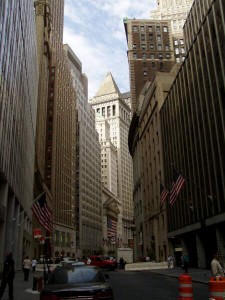 markets evidently aren’t buying the federal government’s
  the Sooner State’s tribes over revenue sharing (which he’s supposed to be doing), Stitt threatened to bring private casinos into the state. “Let me bring commercial casinos in, give out just four commercial licenses, and it would be $350 million to the state,” Stitt bragged. “I think there’s a win-win. There’s a win for the casino industry, there’s a win for the tribes, and there’s a win for the state of Oklahoma and education.” While the tribes aren’t averse to a fee increase, Stitt wants to hike it to at least 25% of gross gaming revenue (as high as Connecticut‘s, which exempts table games), while the tribes won’t submit to Stitt’s engraved position that their compacts expired last year.
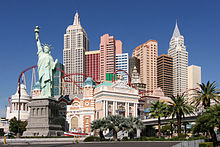 tourist told the Los Angeles Times, “Fewer people means shorter lines.” I’m not sure the casinos see it that way. Then again, it would be nice if we didn’t have a repetition of their cavalier attitude toward the Great Recession. (“Shut up and play,” infamously counseled MGM Resorts International.) For now there are no signs of a Macao-style mass avoidance of the Las Vegas Strip, which speaks well to consumer confidence and the circumspection of local authorities. Still, as historian David G. Schwartz counsels, “The magnitude has yet to be seen.” And we’re already seeing downward pressure on room rates: A Sunday-night stay at the Flamingo has a base rate of $9 for Caesars Rewards members. At least Las Vegans don’t have to live in
  of Monday. The Nevada Gaming Control Board
  in the bank whereas a poor month at volatile baccarat can spoil your quarter. “Over the past few weeks, we have been closely monitoring and evaluating the situation around COVID-19 to ensure we are taking the necessary measures to protect the health and wellbeing of Adobe Summit attendees. As a result, we have made the difficult but important decision to make Summit/Imagine 2020 an online event this year and cancel the live event in Las Vegas,” wrote organizers. Let’s hope this ‘online event’ thing doesn’t become a trend. It’s even worse for SXSW, which lost Twitter and Facebook. There’s a double whammy.
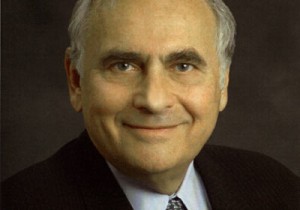 of the state’s elusive, final casino license. That’s up from 430 grand in 2018. Bluhm definitely believes in spreading the wealth: The 2019 outlay was split between three lobbying firms. Bluhm spokesman Joe Baerlein chalked up the big bucks to the need to persuade a reluctant Massachusetts Gaming Commission to part with that last license in the face of an adverse casino economy.
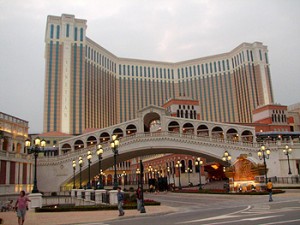 for fiscal alleviation. There may be a silver lining to coronavirus, at least for some gambling houses. Reports the Wall Street Journal, “The high rollers—mostly wealthy businessmen from mainland China—may come back sooner than casual gamblers, provided their businesses recover from the hit. Many of them hold business visas, which are subject to fewer restrictions, while casual gamblers may also be more cautious in their travel plans.” That’s good news if you’re VIP-centric Wynn Resorts, not so much if
  did selected video-poker machines. Terry Caudill clammed up when reporters came calling, so most of what we know falls in the category of anecdotal customer reportage. Needless to say, with slot machines KO’d, so was their TITO capability. (A $17 hand pay took an hour.) “Maybe the one IT guy dropped his stack of punch cards and then missorted them,” grumbled a player. Points could not only not be accrued at slots but, reportedly, at table games as well. ATMs were allegedly idled and credit cards unusable, while comps could not be redeemed.