

Great Britain continues to crack down on gambling. As of April 14, Britons will no longer be able to bet with their credit cards. (Lottery tickets are exempted from the fatwa.) This comes on the heels of a  reduction in the maximum wagers that can be placed at fixed-odds betting terminals. Paddy Power Betfair and Stars Group are expected to be hurt most by the latest hard-line measure. The aim of these draconian moves is to curb problem gambling in the United Kingdom. Some 200,000 disordered gamblers are estimated to use credit cards to fuel their habit (sort of like me and SACDs). Englishmen are carrying $94 billion in credit-card debt.
Although the British gaming industry employs 100,000 and generated $18.7 billion in revenue last year, look for those numbers to drop in 2020. “The latest in a recent series of more onerous regulatory changes, it also acts as a Continue reading
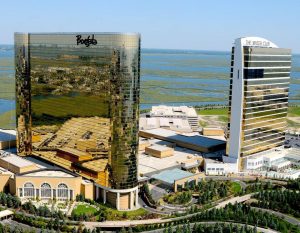 betting handle, economic stimulation that someone should bring to the attention of tight-ass Maine Gov. Janet Mills (D), who just vetoed sports betting in her state. Atlantic City grossed $208.5 million. Table-game winnings were down 6% but slots were up 2.5%, maintaining the revenue status quo. Borgata was off 4%, thanks to a terrible month at the tables: Win plunged 21% on 9.5% less wagering, so Lady Luck was really with the players. Slots were up 5% despite 4.5% less coin-in. In the final tally, Borgata won $55 million.
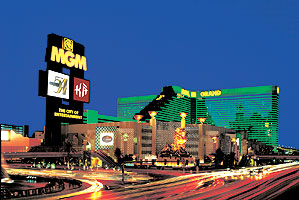 Betting the farm on Japan, CEO of MGM Resorts International Jim Murren has realized his goal of selling MGM Grand and Mandalay Bay. The price
 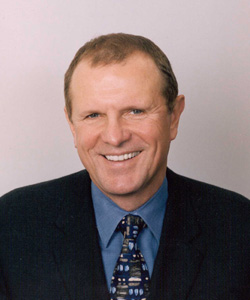 to get on the list for Section 8 housing or to clean up the streets. They were duped,” said Mayor Marty Small. Big winner in the showdown was Small. Losers included Unite-Here labor boss Robert McDevitt, Resorts Atlantic City owner Morris Bailey and former state legislator Raymond Lesniak (pictured). McDevitt was unbowed, saying, “Marty Small and his family have been living comfortably for decades off the backs of Atlantic City residents. The least he could do out of respect to their contributions to his lavish lifestyle is to tell the truth. Of that, he is incapable.”
 initiative and put it up to November’s electorate. “We will likely approach a total of 30 states with some form of legal sports betting by the end of 2020,” Eilers & Krejcik Gaming Managing Director Chris Grove told Fox Business. He didn’t include California in the 30 if only because, when it comes to gaming, the political system always manages to tie its shoelaces together. In addition to the ballot initiative being crafted by state Rep. Adam Gray (D, below) and state Sen. Bill Dodd (D), 18 tribes and the state’s horse racing industry have agreed on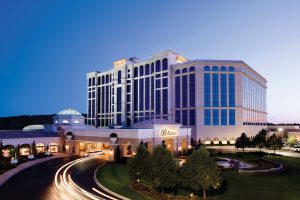
 people are [not] ready to legalize, support, endorse and promote betting on competitive athletic events.” Says who? Mills’ snit fit is great news for neighboring New Hampshire, where Gov. Chris Sununu (R) will be only too happy to take spillover action, as will business partner DraftKings. Although there’s already a considerable body of economic evidence available (New Jersey, anyone?), Mills grumbled that “Before Maine joins the frenzy of states hungry to attract this market, I believe we need to examine the issue more clearly; better understand the evolving experiences of other states; and thoughtfully determine the best approach for Maine,” the best approach apparently being to do nothing.
 tribal gaming revenue to defend against a lawsuit brought by the state’s three biggest tribes. The Sooner State must not need tribal lucre as much as Stitt claims, if he can so cavalierly use it to bring in pricey Seattle legal talent to defend himself. It is, however, characteristic of Stitt’s me-me-me perspective on a sensitive issue: whether the state’s tribal compacts rolled over last Jan. 1 or must be renegotiated. While each tribe is required to pay the state $35,000 a year for “costs incurred in connection with the oversight of covered games,” Stitt seems to have a much more luxurious legal tab in mind.
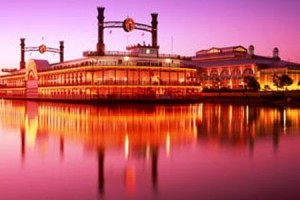 receipts rose 5.5% last month. The gross was $124 million, with most of that ($94 million) coming from the state’s northern tier. Last year December was flat, despite nine weekend days, which makes this year’s performance even more impressive. Driving the increase among the northerly casinos were Rivers Casino Des Plaines and Grand Victoria in Elgin. At the former, Churchill Downs saw a 17.5% revenue spike to a market-leading $45 million. The latter, Eldorado Resorts-owned riverboat grew 10% to $14 million.
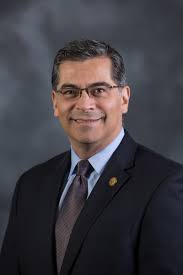 room was described as “seriously underfunded,” in yet another black mark on the Golden State’s gambling demimonde. “The card room will remain closed unless it is able to demonstrate that it has addressed its funding issues,” said the office of Attorney General Xavier Becerra. The latter said it had been warning Magnolia House since June and, evidently, the card room hadn’t cleaned up its act. “[M]ultiple reviews of its finances revealed that it was seriously underfunded, threatening significant losses to patrons and players.” Perhaps even more worrisome, Magnolia House had been comingling funds from third-party vendors with its casino accounts. (Third parties act as “the bank” since the card rooms themselves cannot.) Is there any good news in this? Well, if you’re famished you can still stop by Magnolia House, as its restaurant remains open.
  way back in, at least as concerns sports betting. The Sunshine State’s constitution now forbids the Lege from involvement in “casino gambling,” but does sports betting fall under that rubric? It’s a bit of hair-splitting sure to wind up in court but, for the moment, it appears to open a path for solons to get back into the act of legalizing and taxing sports wagers. A somewhat roseate projection by the American Gaming Association has Florida booking $110 million in tax revenue from sports betting.
 million—a 4.5% gain—led the state. Slots were down 2% at MGM but table win up 12%, a development that will thrill management, since table games are taxed far more conservatively. MGM had 42% of market share to Maryland Live‘s 35%. The latter was up 3.5% to $52 million. Horseshoe Baltimore, which has become an authority on alienating players—
 merged companies. “Anytime you see mergers and consolidations within an industry, you get concerned about whether or not there will be contraction in terms of things like the number of employees,” added gaming consultant Dan Heneghan. 2) The continued rise of sports betting and Internet gambling. Both are raking it in hand over fist. “Nevada is clearly in our sights,” said Gov. Phil Murphy (D), apropos of sports betting. “We can overtake it as early as [2020].” 3) Expansion of gambling in Philadelphia. [Ever contrary, we think it will result in local cannibalization, not an existential threat to A.C.] 4) More casino amenities, which now account for 47% of overall revenue. “The product is constantly being
 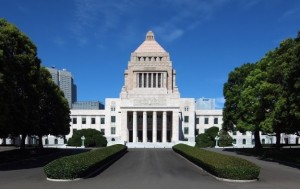 train. “Sources told the Mainichi newspaper that some of the five belong to a cross-party group of politicians tasked with promoting international tourism.” The five are unidentified, although one has denied the accusations. Ticking off various casino-related worries that preoccupied the Diet during her tenure there, retired parliamentarian Mieko Nakabayashi added, “The other worry was about bribery, corruption and even the involvement of organized crime groups. That appears to be what we are seeing now.” Nor does she think we’ve
  show the peril of your chosen approach and have remained intent on breaking faith with the tribes. Your actions have shown that my continuing in service on your cabinet is unnecessary to you and impossible for me.” She also slammed Stitt for threatening to open the Sooner State to private-sector casino companies as means of clubbing tribes into submission. Stitt, for his part, could not refrain from posturing about the issue. “[Legislators are] privately telling me that they support me. But you’ve got to realize that the other thing that’s frustrating that Oklahomans need to understand is when certain industries, the casino industry, pours money into campaigns, it complicates it and the lobbying and that’s what you’re trying to see happen to advocate for their positions.”
 supply and continued protests in Hong Kong—which show no signs of remitting—were hardly conducive to tourism. There hasn’t been this bad of a year/year decline since March 2016. VIP baccarat made its worst showing in three years. Not even strong mass-market baccarat and blackjack play were enough to offset that. President Xi’s three-day stay coincided with a crackdown on visa applications, another disincentive to gamblers. Don’t you get the impression that Xi likes the money that gambling brings but hates the industry? For the year, Macanese casino revenue was down 3.5%. Wall Street keeps telling us that 2020 will be better … and at the rate how can it be much worse? Mind you, in spite of everything, Macao casinos still