

Despite no longer having any beef with the federal government, PokerStars remains behind the 8-ball in the U.S. of A. Regulators in New  Jersey frowned on its attempt to affiliate with Atlantic City casinos and it’s banned from Nevada under a five-year ‘bad actor’ clause. But absolution could be at hand.
Canadian firm and gaming-equipment supplier Amaya Gaming Group has agreed to buy PokerStars for the tidy sum of $4.9 billion. The consortium of banks and funds underwriting the deal includes outgoing Cosmopolitan of Las Vegas owner Deutsche Bank and incoming Cosmo owner Blackstone Group. Small world, huh?
Reportedly, under the terms of the deal — which values PokerStars at almost 12X cash flow — majority PokerStars owner Mark Scheinberg (below) will leave the company and become a very rich man. PokerStars parent 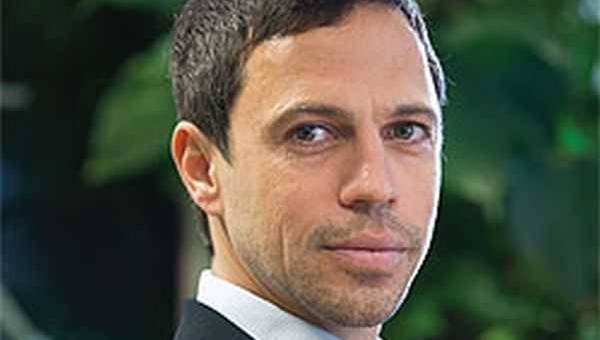 Rational Group supposedly carries no debt, so it’s all gravy. (Mark’s father, Isai, remains on the lam.) Now it’s up to Amaya CEO Daniel Baazov to make the argument that PokerStars is suitable for immediate licensing. “Amaya is licensed in many jurisdictions, over 80 worldwide,” he told Bloomberg. “This will be worked out on a state-by- state basis.” (In Nevada, Amaya will need a casino partner and in New Jersey it must appeal Poker Stars’ suspended casino service industry license.)
Return on investment for the deal is projected at 10% and Amaya’s stock price has jumped 17% on news of the transaction. Online poker has been anemic in the U.S., so the real value of the deal lies overseas. However, with Scheinberg out and Baazov in, perhaps that will convince U.S. regulators that PokerStars has been washed in the blood of the lamb and is, in effect, a new company.
By the numbers: Here are the host-community payments from MGM Resorts International that are at risk if Massachusetts votes down casino gambling in November
- Springfield – $15 million upfront during construction period; $25 million annually during operations
- Longmeadow – $850,000 upfront; $275,000 annually – with open-ended legal fees
- West Springfield – $665,000 upfront (memorial avenue reconstruction plus consultant costs); $425,000 annually – with open-ended legal fees
- Agawam – $125,000 upfront; $150,000 annually
- Chicopee – $125,000 upfront; $150,000 annually
- Ludlow – $50,000 upfront; $100,000 annually
- Wilbraham – $50,000 upfront; $100,000 annually
- East Longmeadow – $50,000 upfront; $100,000 annually
- Holyoke –$50,000 upfront; $85,000 annually
