

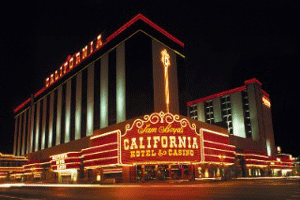
Boyd Gaming CEO Keith Smith reported results that were ‘amazing’ … as in “amazingly stable,” which is saying a lot these days. The big exception is Downtown, where half the Las Vegas visitors go—or would in normal times. Thanks, we presume, to stringent Hawaiian quarantine policies, that all-important sector has lagged. (No word on the fate of Main Street Station.) This must be one of those moments in which Smith is glad to be shot of Echelon: Greff reported, “Management is not overly concerned about prospects for a slow LV strip recovery as it sees lower/limited correlation with the LV Locals market (higher retiree mix, more diversified LV Locals economy vs. prior downturns).” Look for a leaner Boyd going forward, as it is seeing improved margins thanks to Covid-19 operating efficiencies—less labor, less marketing, fewer amenities. Boyd “expects these margin improvement initiatives will be permanent as the marketing environment remains rational and BYD only rehires labor as demand dictates.” And even if amenities are brought back, Boyd plans to do more with less workforce.
Smith seems happy with his company’s relationship with FanDuel, from which it gets a slice of the sports-betting market in return for a 5% stake in the wagering provider, majority owned by Flutter Entertainment. Besides, Boyd is gaining access to some MGM markets (and vice versa) from a “reciprocal skin arrangement.” Stay tuned for a stand-alone product for Internet gambling, one from which the company hopes to reap new retail customers. Unlike Sands, Boyd is keeping an eye on the domestic markets in which “a number of gaming assets are currently being shopped,” even though it’s holding out for deals that would be “strategic and accretive.” Boyd isn’t the only company playing the long game …
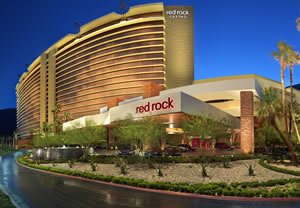
Over at Station Casinos, they’re seeing a new breed of customer—”new faces, younger … Most of the customers that have yet to return are 55+ and/or have a higher COVID risk.” Not one to miss a trick, Station is trying to convert its new Young Turks into loyalty players. Revenue is much the same as in summer, visitation is lower than usual but spend-per-customer is higher. On the plus side, as it were, summer is a traditionally slow period for locals play and, Greff writes, “3Q trends this year have been better than usual given locals’ reluctance to travel and stable levels of drive-in traffic from Southern California.” The economy looks “choppy” but homeowners seeking relief from SoCal real estate prices in the Las Vegas Valley could bolster the future, as could higher-tier earners who will be working from their new Clark County homes. As for promotions, don’t get your hopes up: Station is keeping its powder dry on marketing spending. Good news, the company is rehiring. Bad news, cutbacks in full-time equivalents are counterbalancing the move.
As for the big question on everybody’s mind—the fate of the Palms Casino, Fiesta Henderson, Texas Station and Fiesta Rancho—Station will be monitoring A) the recovery of the Las Vegas Strip, crucial to the Palms, B) business levels at its other casinos and C) “if the incremental revenue from recovering those ‘lost’ customers will allow the property to open profitably.” That’s a shade more hopeful than CEO Frank Fertitta III‘s apocalyptic musing about never reopening them. However, Priority One is to use cash flow to retire debt, not prop up struggling casinos, and maintain “a healthy and flexible balance sheet.” Durango Station is back “on” again, for the umpteenth time since the turn of the century, and other projects are under discussion. As for existing casinos, they’ll have to divvy up $65 million-$75 million in annual capex maintenance. It doesn’t sound like Station is going to be hurried into anything.

[…] Casinos might build Durango Station. I doubt this will happen but it’s on the table. Read more here. […]