

In an effort to solve the problem otherwise known as Atlantic City, policymakers are floating a variety of remedies. One would see the city’s casinos make a lump sum 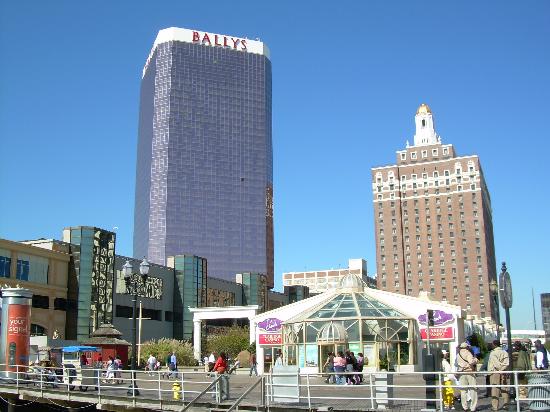 payment of $150 million for two years, in lieu of property taxes. If Boardwalk gaming revenue stays between $2.2 billion and $2.6 billion, the lump sum is then reduced to $120 million. If the bottom falls out of the market and casino revenue dips below $1.4 billion, the lump-sum payment then goes down to $75 million. Mayor Don Guardian is keeping current property-tax numbers under wraps, so it’s impossible to say how this compares to what casinos are currently paying the city. Unfortunately for people who live in Atlantic City, they have to make up for every reduction in casino property taxes.
Funds intended for redevelopment would also be rechanneled into retiring the city’s debt. Similar versions of this overall scheme have been put forward by Gov. Chris Christie (R) and state senate President Stephen Sweeney (D), so its chances for passage look good. Another provision in the Sweeney plan would require that casinos provide certain minimum health benefits and pension plans. It’s too early to say if the casinos will balk at that but they probably will — unless the rest of Sweeney’s offer is too good to refuse.
* Bypassing the Iowa Racing & Gaming Commission, the mayor of Cedar Rapids, Ron Corbett, has proposed a new law that would circumvent the current casino-approval process to cut Cedar Rapids in on the action. The components of Corbett’s bill are …
1) Special licenses for smoke-free casinos, with Cedar Rapids juiced in to receive the first one.
2) An extra $22 million state contribution to casino-free counties, doubled down with an elimination of the $22 million tax on free-play promotions. (Tribal casinos, numerous in Iowa, are not subject to the tax.)
3) A 10-year moratorium on new casinos.
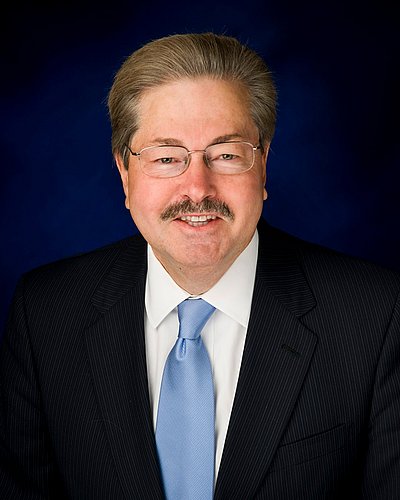 Although it would blow a $44 million hole in the state budget, Gov. Terry Branstad (R, right) was characterized as “interested in the possibility of a smoke-free casino.” Less receptive was industry lobbying group the Iowa Gaming Association, saying of the IRGC, “It would be unprecedented to usurp their regulatory authority.” Branstad agreed on that point but seemed to be leaning Corbett’s way on others.
Speaking of which, saturation continues to be an issue in the Hawkeye State. Casino revenue was down 5% last month, with Horseshoe Casino & Bluffs Run Park one of the worst decliners, down 15%. Harrah’s Council Bluffs was flat for the month, Ameristar Council Bluffs dipped 3% and the gaggle of Isle of Capri Casinos properties averaged a 2% decline, while the two Boyd Gaming properties suffered a 7% drop. Except for independent Catfish Bend, it was difficult to find a property with a positive comparison for the month.

The AC plan is a good one. Predictability is worth much in business. Now we need honest and aggressive politicians to entice the private sector to take over in “redevelopment” since CRDA funding will dry up.