

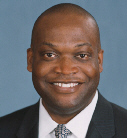
 Station Casinos‘ insistence on re-litigating the issue of slot parlors in Nevada seems to have finally driven some officials to the end of their patience. Assembly Majority Leader William Horne (D, right), the industry’s primary water carrier, tried to plump for a bill to define how much gambling is or isn’t “incidental” to a tavern’s revenue stream — an issue that had been thrashed out during the 2013 Legislature, at least to the extent of requiring Dotty’s-style operations to make more than a pretense of offering food and drink.
Noting the recency of that law, tavern owner Randy Miller sensibly suggested that the lawmakers give it time to take effect. Station ally Steve Sisolak painted a picture of mini-casinos infiltrating neighborhoods en masse. (But what, then, of slot routes?) Station, mind you, has its own set of off-brand, mini-casinos (Wildfire, etc.) and finds itself in the position of the pot that called the kettle black.
Complaining that the issue has “been vetted many, many times,” Nevada Gaming Commission Chairman Peter Bernhard said that “loud and persistent  competitor has continued to bring this to everyone’s attention,” he said of Station. “The county commission and city councils should make those decisions … Just because you happen to see them more than you’ve seen them before, it is because people with a competitive interest have brought them to our attention.” He suggested deleting “incidental,” whereby the statute would ban taverns “if the operation of slot machines is … the primary business.”
Added Gaming Control Board Chairman A.G. Burnett, “We really have heard enough on this issue.” Station, it would seem, is trying the endurance of regulators. Ironically, it has a point: How many Dotty’s would survive without their 15 slot machines apiece? Then again, how many of Station’s hole-in-the-wall operations would, either? Station could always just up and buy out Dotty’s but that would put it in contradiction with itself, now wouldn’t it?
In other business, a proposal to allow wagering on election results was found to be in bad taste. “Frankly, I think that something as import as elections, as opposed to games, should not be the subject of wagering in our state,” state Sen. Greg Brower (R) lectured colleague Tick Segerblom (D). It could still be resurrected in the 2015 Lege, so maybe the third time will be the charm for Segerblom, who tried this gambit last year.
Happy 20th anniversary to casinos in Missouri, which — despite a few
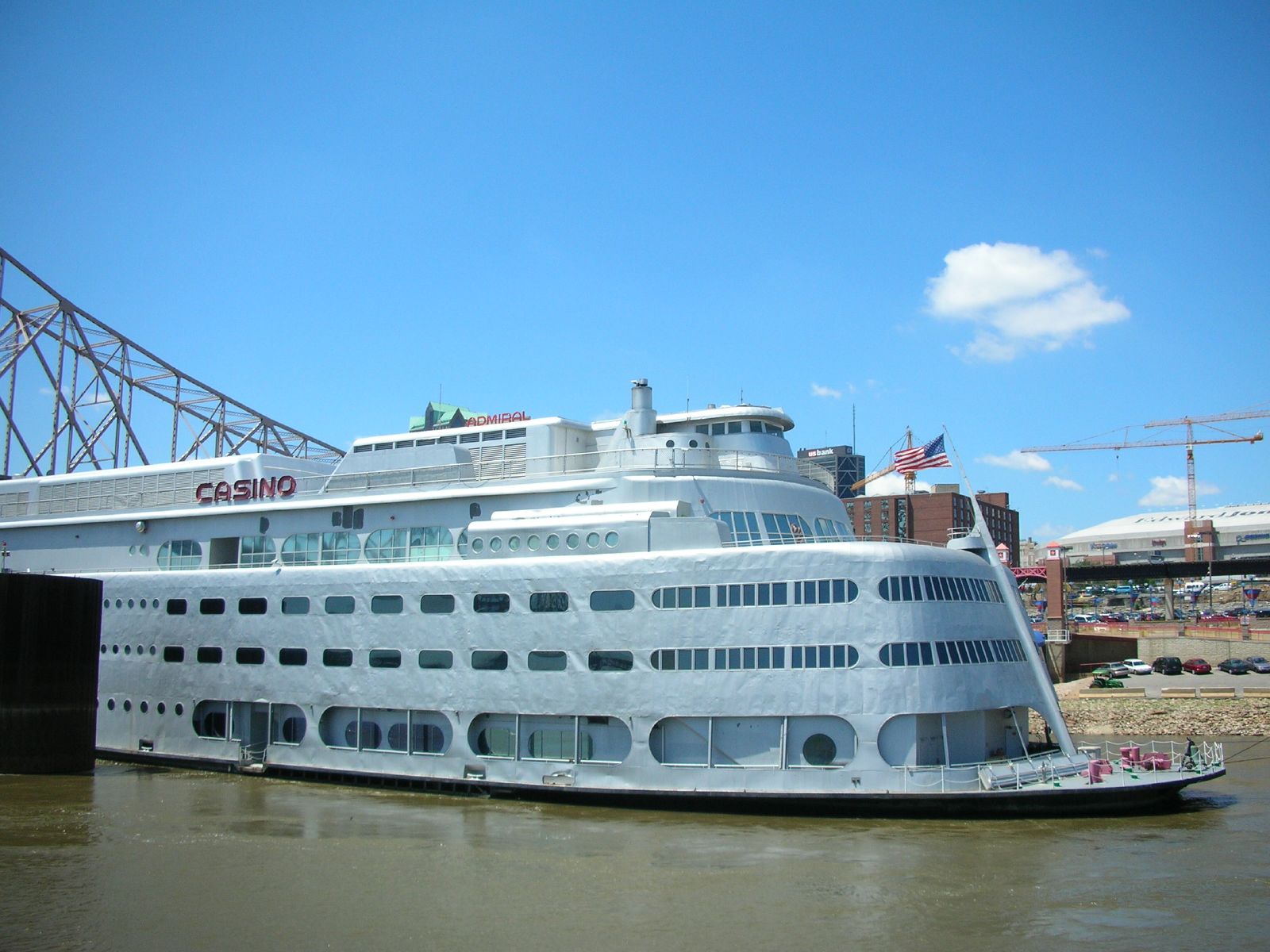 false starts and many constitutional amendments (see timeline) — began operating two decades ago. It’s outlived the first riverboat — the Admiral — and also a failed Boyd Gaming casino in Kansas City. Along the way it’s been a boon to the state’s tax base, although not as much as it used to be.
“It’s different than what I had hoped it would have been,” laments state Rep. Herbert Fallert (D), one of the industry’s founding fathers. “I wish it would have helped the smaller communities. I’m happy that it’s helped economic development and it’s helped education. But it kind of got away from the original idea” of bringing wealth to rural Missouri, agglomerating instead around the big cities. Gaming proceeds having peaked, the recrimination is utterly predictable.
* The Supreme Court has carved a big notch in the Indian Gaming Regulatory Act. Under the terms of this week’s bombshell decision, only  casinos on reservation land are subject to IGRA. Buy some acreage off the rez and the feds can’t touch you, sayeth SCOTUS (which left open the question of whether the plot in question is indeed Indian land but implied it was not). Instead of frontally attacking the Bay Mills Indian Community‘s casino, Michigan Attorney General Bill Schuette (right) will “target individual tribal members for civil and criminal penalties. This is in line with Justice Elena Kagan‘s majority opinion that “Michigan must therefore resort to other mechanisms, including legal actions against the responsible individuals, to resolve this dispute.”
Schuette tried to spin the ruling as a win: “Today the U.S. Supreme Court affirmed the state’s ability to restrain the illegal expansion of tribal gaming on state lands. The 5-4 decision upheld the injunctive power of states to sue tribal leaders to shut down illegal casinos, and reaffirmed the states’ authority to bring criminal charges against anyone engaging in illegal gaming on state lands.” The Sault Ste. Marie Tribe of Chippewa Indians, however, implied it was going to move ahead with a downtown Lansing casino on the strength of the Bay Mills ruling.
Justice Antonin Scalia had voted with the majority in the 1998 decision upon which this week’s ruling rested. He changed his mind, though, writing in a separate dissent that the court should reverse itself “rather than insist that Congress clean up a mess that I helped make.”
