

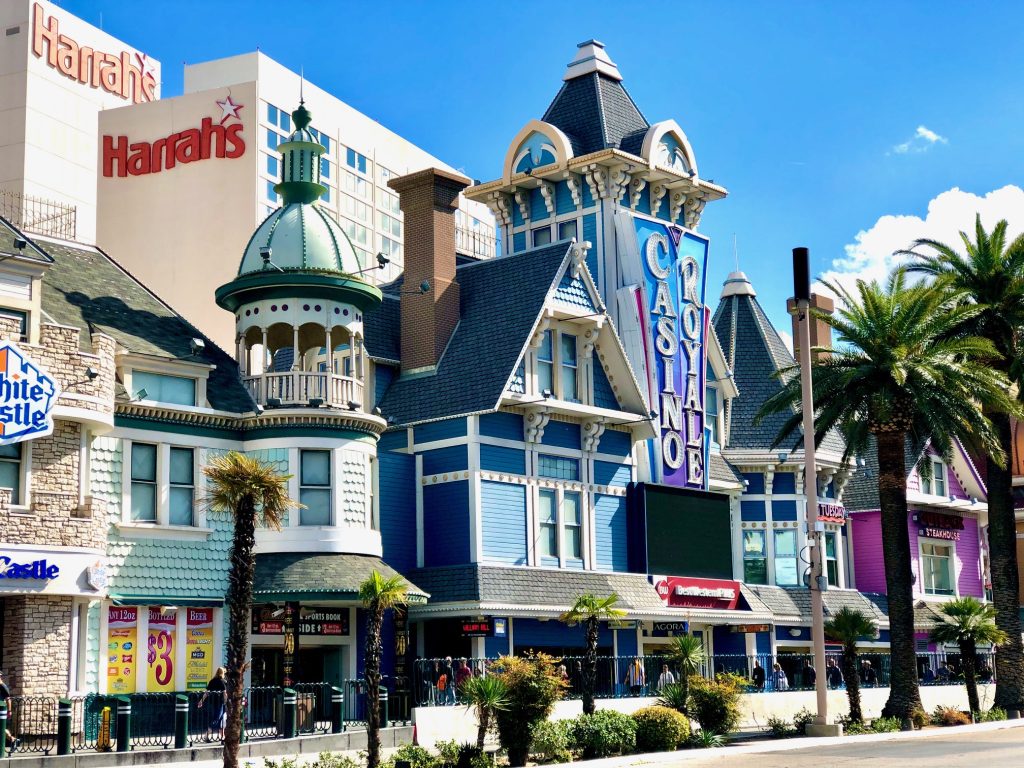
That great Las Vegas recovery on the Strip suddenly flattened in October but new signs of vitality were evident in the local-gambler sphere. Las Vegas Strip casinos grossed $706 million, almost dead-even with the year before. Locals-derived win, meanwhile, surged 11%. Downtown‘s $90.5 million was a 19% vault, while an 18% leap happened on the Boulder Strip ($80 million). Similarly robust numbers were reported by miscellaneous Clark County ($143.5 million, +9%), Laughlin ($45 million, +10%) and Mesquite ($16 million, +7.5%). North Las Vegas lagged somewhat, up 3% to $23.5 million. Further afield, Reno was up 3% to $64.5 million, while new Legends Casino in Sparks continues to fuel play, hopping 14% in town to $16.5 million. Lake Tahoe got in on the fun, climbing 13% to $18 million and Wendover was up 6% to $23 million.
The comparatively lackluster result on the Strip wasn’t caused by a lack of slot coin-in (up 5%) but a downturn in table wagering (-7%) sure didn’t help. Indeed, slot win was 11.5% higher than in October of 2021. Table win, however, slipped 4%. The house was unlucky at baccarat, with win falling 31% even on 18% less betting.
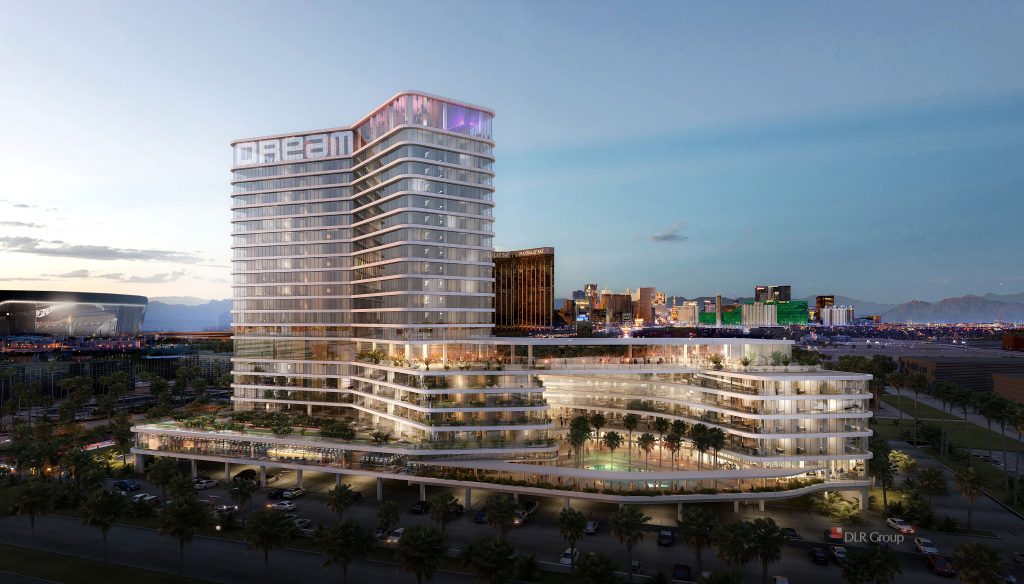
Even the stutter in Strip revenues wasn’t enough to scare off Hyatt Hotels, which stepped into the casino business to purchase Dream Las Vegas, in progress on the south Strip. In fact, it’s scooping up the entire Dream Hotel Group for $125 million down, $175 million later, “based on properties in the pipeline opening,” according to Deutsche Bank analyst Carlo Santarelli. “Overall, should the entire pipeline come to fruition, [Hyatt] would be paying ~$300 mm over six years for up to $39 mm of fully stabilized fees.” This doesn’t mean a changing of the guard at Dream LV, as DHG leadership will be incorporated into Hyatt in comparable roles. Concluded Santarelli, “We view [Hyatt’s] acquisition of Dream as being consistent with the company’s strategy to expand its brand portfolio on an asset light basis, with a focus on adding more urban and resort (‘lifestyle’) properties that feature modern F&B concepts capable of drawing non-hotel guests to the property.”
Could controversial Elon Musk‘s promises to Las Vegas be too good to be true? The Wall Street Journal accuses the Twitter mogul of “ghosting” cities in the U.S. with empty promises of mass transit, followed by cold feet. Exhibit A is a four-mile, underground-rail route that Musk pitched to Ontario, California, only to be a no-show when bids were due. Similar scenarios have played out on a larger scale in Chicago and Los Angeles. “The company has struggled with common bureaucratic hurdles like securing permits and conducting environmental reviews,” reports the WSJ. Remember that bullet train to O’Hare International Airport that never happened? That’d be Musk’s doing. So was an unbuilt, now-scrapped, high-speed train from Baltimore to Washington, D.C. The billionaire is accomplished at gulling politicians on both sides of the aisle, whether they be then-Chicago Mayor Rahm Emanuel (D) or then-Maryland Gov. Larry Hogan (R), both of whom got taken for a ride by Musk.
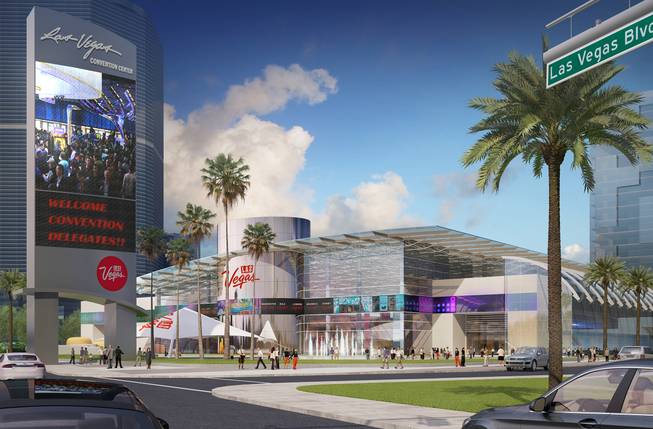
The subway entrepreneur’s sole tangible accomplishment to date is the loop under the Las Vegas Convention Center and spur line to Resorts World Las Vegas. He has his true believers, like Sequoia Capital—but the latter fell under the sway of failed cryptocurrency business FTX, too. Musk’s excuse for nonfeasance is government regulation. The people’s representatives should “just get out of the way,” he fumes. Other warning signs are high burnout rates of Boring Co. employees, not to mention funding for SpaceX being drained to underwrite the Boring Co. Even so, Musk has his champions, like Vegas shill Steve Hill, president of the Las Vegas Convention & Visitors Authority. “We’re fans of the Boring Company,” said a dazzled Hill. “We’re fans of clean transportation systems that are great. So we want to help.”
Much is at stake in Sin City. Musk has outlined a 34-mile, much-needed subway system, one which he would operate on a 50-year contract. Reports the Journal, “Crowds strain the network of individually driven cars far more than mass transit like light rail, according to some of the former executives. In social media postings, visitors have documented the loop’s Teslas sitting, underground, in traffic. The fleet of required accredited drivers adds to labor and administrative costs.” Still, Musk claims that his machinery can drill a mile a day through obstinate caliche, eventually reaching seven miles a day. And with American cities soon to be swimming in infrastructure dollars, don’t expect them to hang up on Musk anytime soon.

Jottings: Contractors are being named for Bally’s Chicago. Company CFO Bobby Lavan asserts that Oak Tree Capital‘s $500 million investment means Bally’s won’t have to tap Wall Street for financing. Oak Tree holds, including options, a 299-year lease on the casino site … Losing a casino concession would in Macao would have been extremely costly for the six incumbents. They would have had to return their facilities to the government without compensation. Fortunately it didn’t come to that … In a coup for BetMGM co-owner Entain, it has obtained first-mover rights to offer i-poker in Germany. The company will deploy its bwin, Sportingbet and Labrokes brands as part of the rollout … Massachusetts‘ two Category 2 online sports-betting licenses, reserved for horse tracks, are going begging for the moment. However, Suffolk Downs and Raynham Park have indicated that they intend to apply at some future point.
