

 Earlier this week, Howard Stutz looked into the fascinating story of Multimedia Games, beloved of stock analysts but shunned by share buyers. What’s not to like? Multimedia widened its profit last quarter, to $10 million. Sales in FY13 rose 27%, to an installed base of 12,440 machines. Profit grew 19% during that same period. But, with typical Wall Street logic, share prices fell $2.30 after those rosy fiscal-year numbers were published. What’s wrong on Wall Street?
Multimedia has chosen an interesting time to have made a push into Nevada, New Jersey and Illinois (next stop: Pennsylvania). Slot inventory in Nevada has fallen to sub-1995 levels. This is attributable to many factors, the most plausible of which is that one machine can now support many more games — especially in the era of server-based gambling. As Dr. David G. Schwartz put it simply, “The casino floor is changing.”
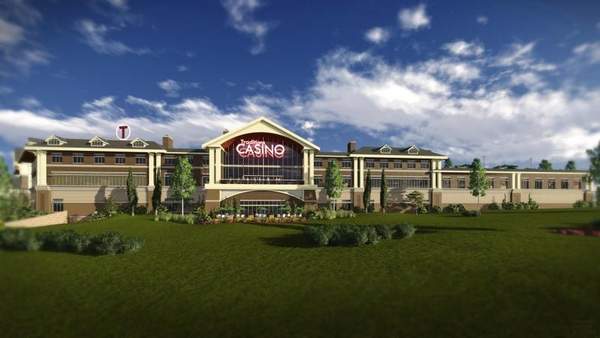 Now there are three. Many potential players in the New York casino industry are still keeping their hands close to their corporate vest. However, the number of applicants is quickly proliferating. The would-be developers of Traditions Resort & Casino, in the vast Southern Tier, will probably have to put more than $150 million in investment on the table to get chosen. “We’re going to recreate Broome County as a destination once again,” co-owner Pete Walsh proclaimed. Not with that low-roller budget he’s not. Ironically, the Walsh family’s presentation had begun with, “It’s time to think big.” I agree. So when do you plan to start?
As reported earlier, Tioga Downs isn’t even waiting for a license but is expanding already, to the tune of $70 million. Canadian-based Vista Hospitality Group is thinking chintzier than anybody. It only plans to spend $50 million on a two-year project in the Binghamton area. There’s just so much these companies can afford, one presumes. But if Vegas players decide to crash New York’s party, they’ll have little difficulty outbidding and out-glitzing the early contenders. Someone like Penn National Gaming wouldn’t think twice about building a $270 million casino: as much investment as Traditions, Tioga and Vista combined. That’s closer to — if still short of — the kind of investment that was envisioned when Proposal One was voted into law.
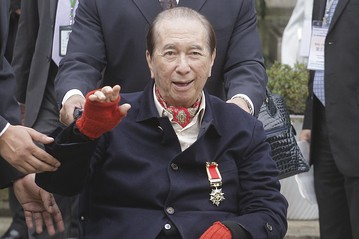 Stanley Ho will find his portfolio enriched by two more casinos, if Paradise Entertainment‘s plans bear fruit. Paradise already runs Kem Pak Casino under a sublicense from Ho’s Sociedade de Jogos de Macau. Paradise, which makes electronic table games stands to benefit from a 10% decline in slot inventory (12% at SJM properties), as e-table games rise in favor. Paradise has also identified the U.S. as prime territory for new sales.
Another Macao magnate, Galaxy Entertainment owner Lui Che-woo has earmarked $5 billion-plus for investment in Taiwan and Japan, should casino legalization go through in those territories. With Macao casino revenue a lead-pipe cinch to surpass last year’s $38 billion (and with Galaxy sitting on the enclave’s largest bank of casino-held real estate), Che-woo and son Francis Lui have good reason to feel bullish.
