

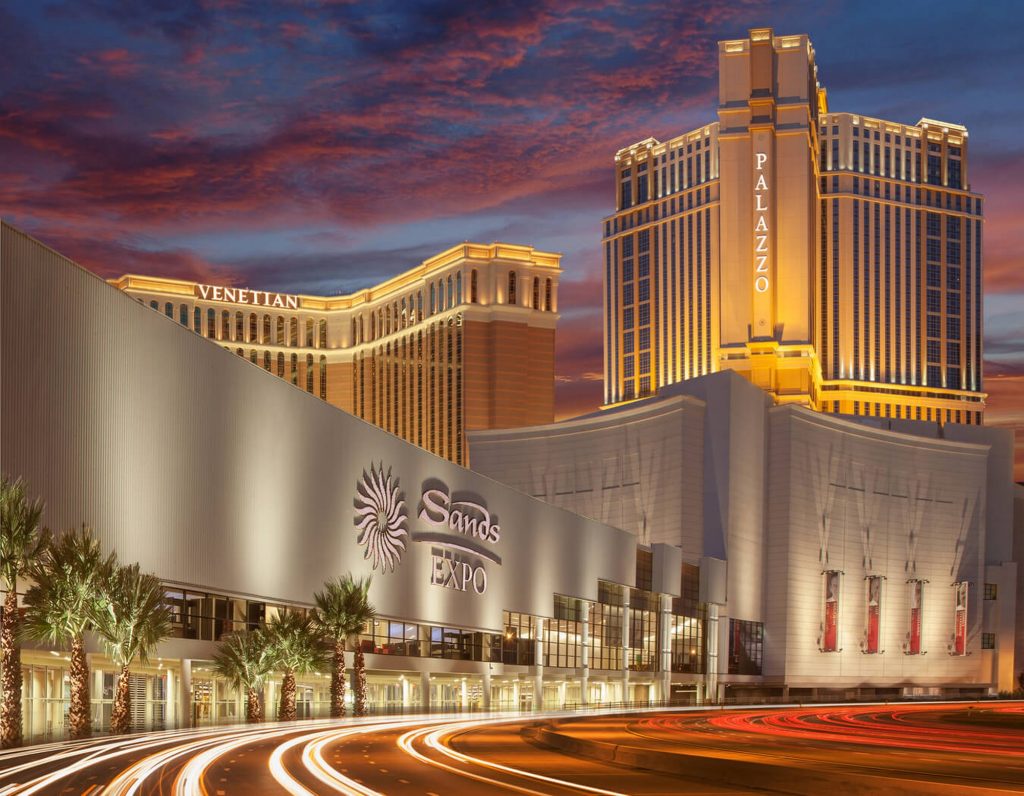
Vici Properties is sanguine about the U.S. economy, at least as it pertains to gambling. It can afford to be. Vici owns the real estate of 11 Las Vegas Strip casinos, which are sitting pretty these days. True, Vici lost $58 million last quarter, but that’s a big improvement on $301 million in red ink in 2Q21. We certainly don’t hope for a repeat of the Great Recession but find Vici CEO Ed Pitoniak short-memoried when he says that “The gaming customer has proven to be more resilient through both garden-variety recessions and full-blown crises than just about any other discretionary consumer out there. That was proven through both the great financial crisis and throughout the COVID-19 pandemic.” Well, the last time we had a “great financial crisis,” in 2008-9, Las Vegas imploded. So we hope for Vici’s sake that the mild recession currently underway doesn’t morph into something worse or else Pitoniak might be rudely awakened.
In his defense, Vegas’ resilience in 2021-2 has been better than just about anybody expected and the high-end/destination-oriented casino customers are not only back, they’re spending like there’s no tomorrow. Also, Vici is assured fixed income from its casino tenants, regardless of how business is. Nor is it on the hook for property taxes, utilities or maintenance. The vaunted “triple-net” lease is great for Vici but something more like a triple threat when it comes to tenants’ cost of doing business. Even so, the latter managed to stay current on their leases during even the worst of the pandemic, meaning that as real estate goes, casinos are a pretty solid bet. Heck, even if gambling were to go south again, that wouldn’t be Vici’s problem. It just keeps on collecting the rent.

It looks like Phil Ruffin has found a use for that ginormous tranche of real estate at Sahara Avenue and Las Vegas Boulevard that he inherited when he bought Circus Circus. To wit, he’s meeting with the Oakland Athletics to try and re-interest them in 37 acres that are currently a big-ass overflow parking lot for events at the Las Vegas Convention Center. True, the site is not ideal from a traffic standpoint, beyond being close to the interstate, but it’s slightly bigger than the Tropicana Las Vegas one and wouldn’t entail demolishing a casino-hotel to erect a ballpark. While the Las Vegas Review-Journal says the Trop is “still in play,” like a dropped third strike, R-J sources say Ruffin’s land has reemerged as a “dark horse” competitor. Given Ruffin’s proven ability to make surprise deals, it would be foolish to count him out.
Degenerate gambler Phil Mickelson‘s Saudi Arabian blood-money golf tournament (latterly bigfooted by Donald Trump as a political platform) is being blackballed by gaming regulators in New York State, New Jersey and Pennsylvania. But you could have a flutter on it in Connecticut, New Hampshire, Illinois, Oregon, Wyoming, Arizona and Ontario—at least on DraftKings, which is pretty desperate to turn a buck these days. Human-rights issues and 9/11 insensitivity problems aside, what are the disincentives to playing in the Saudi tourney?
Well, every golfer who participates gets a six-figure payday and even one apologist has to concede that “The guaranteed money may spoil the level of competitiveness for many players. Another concern is that LIV golf doesn’t have cameras that are nearly ubiquitous across the course, a potential red flag for regulators who want integrity ensured.” Both Garden State regulators and sports books kept their own counsel as to why bets weren’t being placed on the Trump-hosted tournament.
There’s some karmic consolation: The price for scalped tickets fell through the floor, supposedly as low as a dollar a head. Food was reported to be “pre-packaged and of poor quality.” (Low quality at a Trump-branded resort? Perish the thought!) The only hacker to emerge with honor from last weekend was Tiger Woods, who is reported to have turned down between $700 million and $800 million to play in the tainted tourney. To coin a phrase, just don’t do it.
Louisiana Downs has scarcely been under new owner Kevin Preston and already there’s $2 million in purse money missing. Everybody’s heading for the cone of silence on this one, including Preston and the Louisiana Racing Commission, while the Attorney General’s office would only say it was “aware” of the complaint. Somebody who would talk was local breeder Jay Adcock, who told a newspaper, “I don’t know any details, but it’s a big concern because money from the Horseman’s Fund trickles down to everyone.” When Preston’s Rubico Gaming bought the track from Caesars Entertainment in October, he said, with a dig at Caesars, “We are prepared to bring this iconic track back to its iconic status.” This is an inauspicious start toward that noble goal.
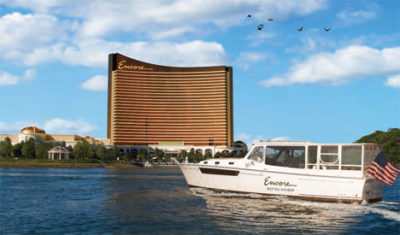
Jottings: Isle Casino Black Hawk is no more. No, it hasn’t closed but been rebranded as a Horseshoe property. The formal transition was made last Friday … More bad news for Star Entertainment. Completion of its $1.8 billion Queen’s Wharf megaresort in Brisbane is behind schedule and a 10% cost overrun is likely. Blamed are “higher construction material costs, labor shortages and supply chain bottlenecks” … Maryland‘s first non-casino sports book opened yesterday. It’s at Bingo World but sports betting is sure to be the new draw, what with 21 HDTV screens, 12 self-service kiosks and more … After being hampered from doing so by travel restrictions, now rescinded, Encore Boston Harbor (above) is eying the Toronto market and others outside U.S. borders. It also hopes to add a soccer stadium for the MLS New England Revolution, among other adjustments to operating in an urban environment.
