Mike Friedman
Everybody needs to start somewhere and, if you’re new to the world of points and miles, searching for information results in a tsunami, rather than a gentle wave. This Guide to Points and Miles article picks up from our introduction in Guide to Points and Miles: Basics. Let’s make things simple by introducing the four steps to airline points.
Four Steps To Airline Points
So that’s what we’re going to do here. Today, I’m going to introduce the WAVE system to getting started. It’s a basic walk-through of how to begin your journey and maximize your points.

Since “miles” are the first thing that most people think of when it comes to loyalty programs, most of this post will focus on airline points. Don’t worry, hotels will follow in a future post.
Step One: WHERE Do You Live And Who Do You Fly?
When it comes to points and miles, it’s easier to be flexible with hotels than it is with airlines. The reason?
In Atlanta? You are going to be flying Delta, since they fly approximately 80 percent of the passengers who are at the airport.
That includes connecting passengers, so the number for people starting their flights in Atlanta is probably less than 80%, but still significant.
With airlines, you’re constrained by the number of carriers that fly to where you live (or your destination, if you fly primarily to one city). If you live in Atlanta, for instance, chances are that you are going to be flying Delta, since they fly approximately 80 percent of the passengers who are at the airport. Live in Dallas? Get used to flying American. Houston? Start collecting United miles. Note that ticket prices will reflect this near-monopoly status.
Compare that to a city like Boston, where there are three choices with over 20% market share. It’s a virtual bonanza of selection.
Hotels give you a bit more freedom. Unless you need to be at a specific property, chances are that each of the major lodging companies, as well as many of the minor ones, will have offers at your destination. So you’ll have a bit more freedom when it comes to choosing your brand. And when it comes to Las Vegas, don’t worry. Each of the Big Four has a presence on the Strip, whether through one of its own brands or a partnership.
Step Two: APPLY for Your Programs
Next step: Apply for your programs. It’s easy. Head to the company’s website and fill in the standard information. The airline will assign you an account number, which you will use every time you fly. Generally, it will save that number in your profile but, when you buy tickets, you’ll want to check on your confirmations, just in case. Keep your number handy. There will be multiple opportunities to use it.
Beginner’s Hint: Rule #1 of points and miles is to apply to every program that you use. You don’t have to do that now. You can join them as you use the products.
Take a moment to visit our guide to the Big Four airlines or the carrier’s website to get familiar with how it works. You don’t have to know everything right away. An understanding of how and where you can earn miles is all you need to start.
Step Three: VERIFY That You Earn The Miles You Deserve
Here’s where the fun part comes in: It’s time to earn your miles. If you’ve read our guide to the Big Four, you know that the amount of miles that you earn is almost always based on how much you spend. You’ll also earn a bonus if you have elite status with the airline.
Elite status is gives extra benefits to passengers based on how many miles they fly and is tracked separately from your points balance. Some benefits include upgrades, early boarding, free bags and bonus miles based on how much you spend.
At one point, your earnings were based on how far you flew, but that changed after enough objections from passengers on the highest fares, who felt that they deserved a premium because of the cost of their tickets (They’re right, by the way.). So if the program offers you five miles per dollar spent, a flight that costs $200 would get you about 1,000 miles. I say “about” because airlines don’t give you miles for the taxes and non-airline fees that you pay. Hey, if they don’t get paid, they’re not going to reward you.
Many Ways To Earn Miles
Fortunately, there are tons of other ways to earn miles. They include:
- Shopping through an airline mileage portal.
- Dining at certain restaurants.
- Using the right credit card.
- Other oddball methods, whether it’s through a bank account or even by test driving a car.
Miles Have Become a Second Currency.
Some would say this is the most important step of our Guide to Points and Miles. Miles have effectively become a second currency. Merchants buy them in bulk directly from the airlines and then use them to reward their customers. They’re so popular, in fact, that you might never have to set foot on a plane to earn enough to get a free ticket!
Step Four: EXPENDITURES: Spend Your Miles
And now it’s time to travel! We are almost done with the four steps to airline points, but this last step is the best part of our Guide to Points and Miles.
First, you need to know how the airline “sells” award tickets. There are one of two methods:
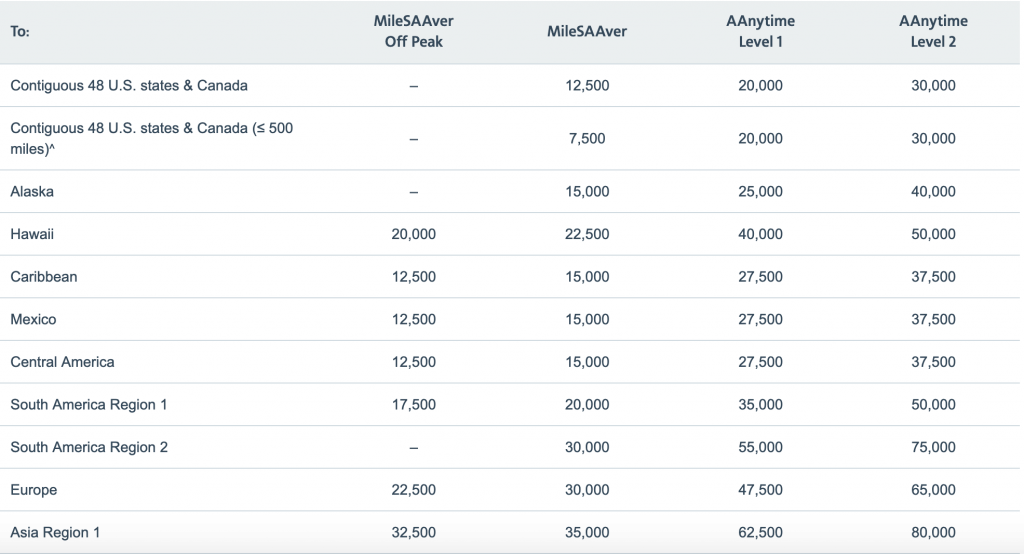
- Some airlines, like American, offer a fixed reward chart. The amount of miles that you need to spend vary based on when you fly, where you fly and the class of service, but those levels don’t vary from day to day.
- Most airlines, though, have a variable award chart. The price of the ticket in miles is based on the dollar price, so if the cost of the flight goes up in cash, it will cost more miles, as well.
Many Mileage Redemption Decisions
When it comes time to redeem, you have a number of decisions to make. Where are you going? Are you flying business or coach? Are you going during a popular travel time, or flying to Minnesota on a Tuesday in February? All of those will be factors in how many miles the airline charges. With fixed award charts, there’s a limit on just how many miles an airline can charge for a ticket. For example, according to the American Airlines award chart below, a one-way flight from the lower 48 states to Hawaii will range from 20,000 — 50,000, depending on whether you fly during the off-peak period or Christmas vacation, which will be AAnytime Level 2 (The airlines will tell you which dates fall under which categories.).
You’ll book your ticket just like you would any other ticket, except that when it asks for payment method, you’ll choose miles instead of cash. And then you’re done! A few things to note about mileage tickets:
- If you choose not to fly, you may be charged a fee to redeposit the miles.
- Tickets that you book with miles do not earn miles. Sorry, no double-dipping.
- A little flexibility can go a long way. If you are able to take a midweek flight in a lower demand period, you’ll save a lot of miles.
- Some mileage tickets come with fees, either security fees, or fees imposed by the airlines themselves.
Enjoy Your Flight
And that’s what you need to know! Oh, one more thing: Enjoy your flight! Miles make it possible to take that great international trip in first class that you would never pay thousands of dollars for out of pocket. Hopefully these four steps to airline points will inspire your journey to travel for “free” and travel better.