Bringing the Nevada-illusion theme back to Las Vegas in the present day for this fourth and final part of the series, we have casino gambling, an industry based, primarily, on smoke and mirrors.
Though it’s touted as a benign form of indoor recreation, the price of admission gets higher year by year: what with resort fees, taxes on resort fees, paid parking, dining-out inflation, no free hot dogs or beer at this year’s football parties, and on and on. And the Wizard of Odds hides behind the curtain, raking a little jack out of (almost) every bet in the house, so the sweet dream of big wins often turns into the torment of real losses.
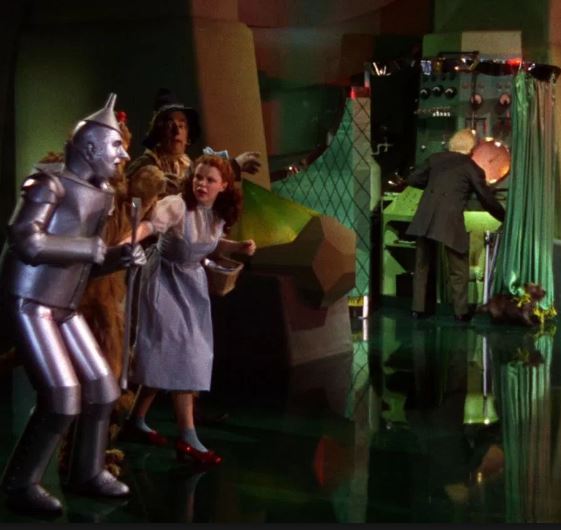
And even the winners find that there isn’t as much gold at the end of the rainbow as they think they’ve bagged. On a $33 million Megabucks jackpot, choose the annuity option and after taxes, you’ll get a mere $775,000 a year for 25 years. Take the lump sum and you’ll receive about $12 million, a little more than a third.

Or when a player wins a million-dollar tournament, you can bet the rent that this latest trophy-clutching hero is cut up a dozen different ways and has to duke off more than half the grand prize to investors who have a piece of him — including the second-place winner, with whom he has a side deal going. The next afternoon, he’ll be sitting at the tables, looking like everyone else.
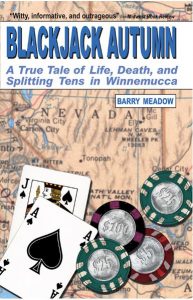 Blackjack pro Barry Meadow puts it nicely in his excellent book, Blackjack Autumn—A Tale of Life, Death, and Splitting Tens in Winnemucca:
“Out of necessity, lying in casinos becomes a way of life. People fib about everything from their real names to the wins and losses. When you look at pit bosses who pretend to want you to win, dealers who wear a painted smile while imagining ways to loot the players stacks for tokes, hookers moaning with one eye on their watch, and counters using disguises and cover play, partial truth is about the best you can expect in Nevada.”

 Never miss another post