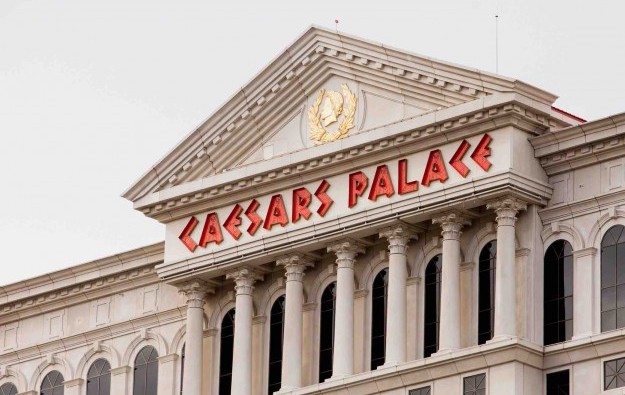
That’s what Credit Suisse analyst Ben Chaiken had to say about MGM Resorts International, citing strength in regional casinos, Las Vegas and sports betting (in that order). First-quarter cash flow exceeded 2019 levels, aided in part by “strong demand reaching ’19 levels … Las Vegas is accelerating, with growth supported by easing government restrictions, an improving event calendar, and pent-up demand. March was one of the best gross booking months in the company’s history.” Non-gaming amenities have lagged gambling and room revenues as recovery metrics, which could be crucial, as they account of 75% of revenues and are at the mercy of capacity restrictions. Elsewhere sports betting and Internet gambling “look very promising.” Nationally, BetMGM has 25% i-gaming market share and 17% of OSB. “Benefits appear to be flowing both ways, with 10% of BetMGM’s new customers coming from MGM, while 44% of new MLife signups coming from BetMGM.” Management was even upbeat on Macao, seeing positive customer trends—as did Melco Resorts & Entertainment—ahead of critical Golden Week.
Chaiken’s opposite number at JP Morgan, analyst Joseph Greff, bumped his stock-price target from $37/share to $45 (it currently trades at $42). He called the 1Q21 numbers “solid, with impressive momentum in Las Vegas. Momentum here commenced in mid-February and has continued thus far into April.” Occupancy on the Las Vegas Strip is running at 73%, which is pretty darned impressive in light of zero convention activity. Weekends are seeing 90%-plus occupancy “indicating strength in the leisure segment and MGM’s efforts to tap into its casino database to fill rooms at present gaming capacity.” Further helping the comeback is an anticipated return to 93% of pre-pandemic airlifts into Sin City in June, escalating to 99% in July. “This airlift support bodes well for the return of group business, which, with what’s on MGM’s books for 2022 and 2023, is at pre-pandemic levels,” Greff wrote. Cash flow on the Strip is expected to achieve 90% of 2019 metrics by next year.
Continue reading

 Florida Gov. Ron DeSantis (R) succeeded where predecessor Rick Scott failed, inking a pact with the Seminole Tribe that would unlock the $35o million a year that the Seminoles have been holding in escrow. In return, the tribe gets a pretty ‘george’ gambling expansion: three new casinos, craps and roulette (Take that, blackjack-offering racinos!), Internet gambling, and both retail and online sports betting. For his part, DeSantis





 That’s how JP Morgan analyst Joseph Greff described the online sports-betting bill enacted by the New York State Lege. The latter essentially caved to Gov. Andrew Cuomo (D), giving control of OSB to the state lottery. Instead of the one-operator solution proposed by Cuomo there will be … wait for it … two. Big whoop. Those two casinos will be enabled to host four ‘skins’ on their Internet platforms. So, as we predicted, somebody (maybe a lot of somebodys) are going to be left out in the cold. The ‘Net platform providers will each pay Albany $25 million for a 10-year concession plus an annual levy of $5 million to the host casino “to alleviate the constitutional requirement that sports wagers are placed at casinos.” No tax rate has been announced but both Greff and Credit Suisse‘s Ben Chaiken anticipate it will be steep, probably in the 50% range, another Cuomo object of desire.