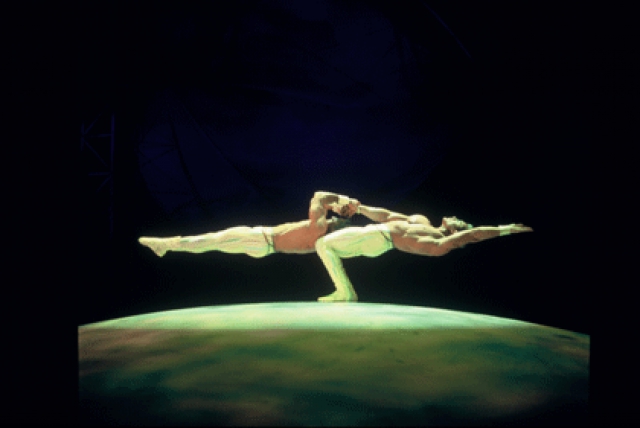
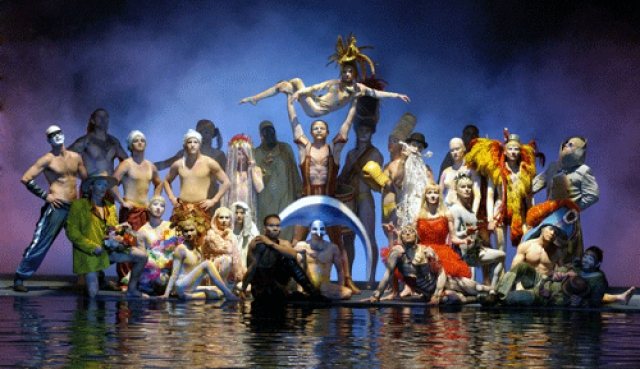
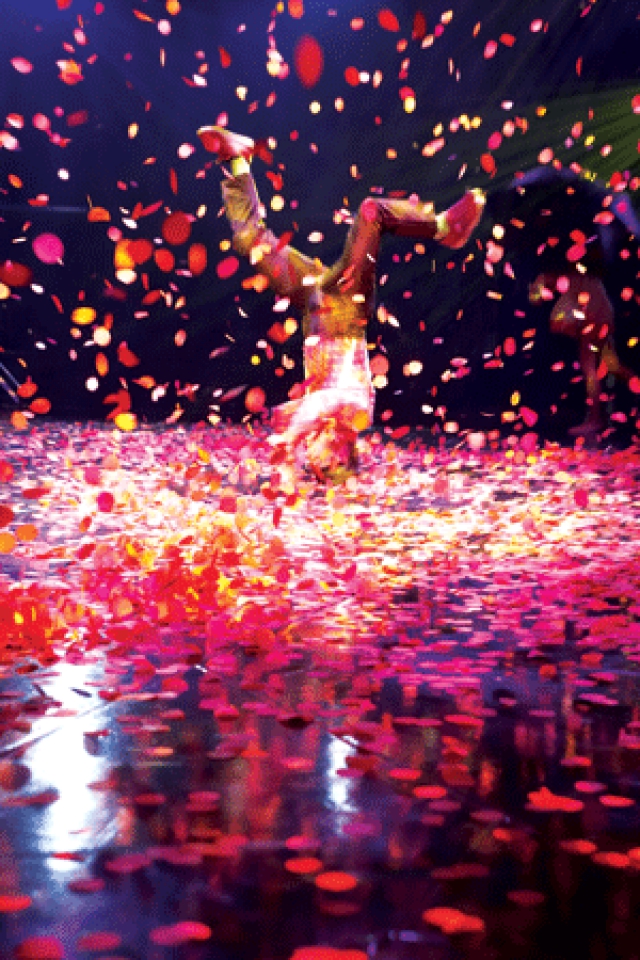
That's a tough one. Cirque du Soleil has five shows in Las Vegas (with at least two more planned for the near future): Mystère, O, KÀ, Zumanity, and LOVE. All have their high points and they appeal to people with different tastes and preferences.
Zumanity, for one, is a departure from the typical Cirque aesthetic (if the Cirque aesthetic can be called typical) -- an in-your-face celebration (some say a confrontation) of all things sexual. LOVE, for another, is grounded in a musical reality that the audience shares (see QoD 1/26/07), which renders the show more unified and accessible than Mystère, O, or KÀ. For its part, O is water-based, while Mystère, the original Las Vegas Cirque production, is representative of all the shows, in that it transports you into a sort of dream state where it's hard to say what you've seen and heard, but you know exactly how it made you feel.
And if price is the criterion, Mystère is the couponomy play, at $66-$104, whereas LOVE, KÀ, and Zumanity start at $76 and O at $103.
Still, since you're holding our feet to the flames, we'd have to say that KÀ is the ultimate expression of the Cirque performance concept.
To start with, the theater is much more part of this show than the others, described by one reviewer as "an enchanted Asian foundry as seen from space." The pre-show entertainment sets the stage. Haunting ethereal music ushers showgoers into the huge showroom. "Flying" harp players strum instruments with strings spread so wide it looks like the performers are polishing them. A half-dozen acrobats suspended from bungee cords bounce around, while fire erupts from where the stage will later appear, creating a sense of expectation, even awe.
Let us put it this way: The theater cost $165 million to build. That's almost as much as an entire megaresort only 10 years ago.
KÀ is also the only Cirque show that purports to have a plot: It follows twins who are separated and follow strange journeys to fulfill their destinies. The actual story is a little vague, but it's also unimportant. This show is all about staging, spectacle, and most of all, technology. Believe it or not, the star of this show is the stage itself, a huge steel deck supported by the most powerful and versatile "arm," perhaps, ever manufactured. The "hand" at the end of the arm raises, lowers, turns, tilts, rocks, and spins the deck. This flying platform even stands totally vertical, so that the performers can slide on and off. It's an incredible hydraulic achievement, a truly magical piece of machinery.
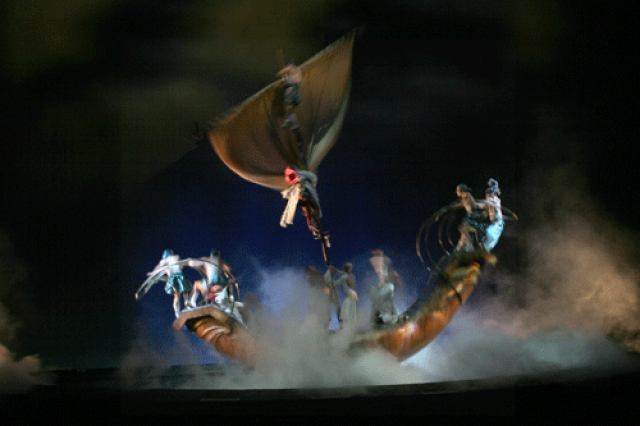
And all the while, the scenes and sets and performances change with the stage: The twins weather storms at sea and blizzards; they climb mountains and brave forests; they face warriors. A variation on the old circus wheel finds a maniac on top who's literally airborne most of the time. Choreographed bungee jumpers, a Cirque staple, have elevated this act to new heights in KÀ. An aquarium scene imparts a spectacular underwater effect and a beach scene has sea animals popping up from beneath the sand.
For the finale, the stage, now completely upright, takes on the look of a computer screen. As the bungee performers jump to make contact with the surface, the surface of the deck literally explodes where they land. The show ends with the best indoor pyrotechnics we've ever seen, anywhere.
Does that give you the idea? If so, fine, but it barely scratches the surface. In short, you simply can't see a show like this anywhere else on Earth. So yeah, KÀ's the one Cirque show to see if you can only see one.
A tip: Buy the $99 seats. You'll save $51 per against the top-priced tickets and get a better perspective on the hydraulic stage than possible from closer to the front in the expensive seats.