Ah, yes, we’d almost forgotten about that. Thanks for reminding us.
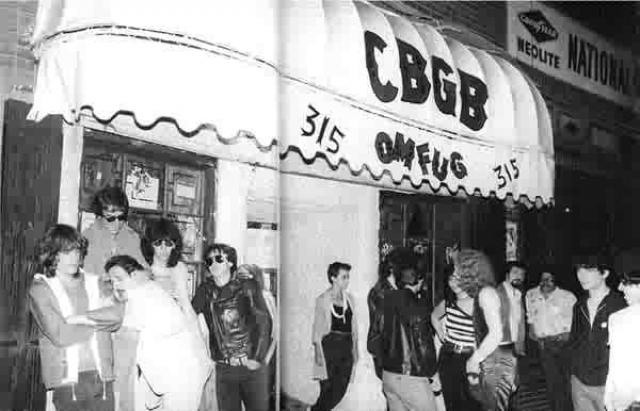
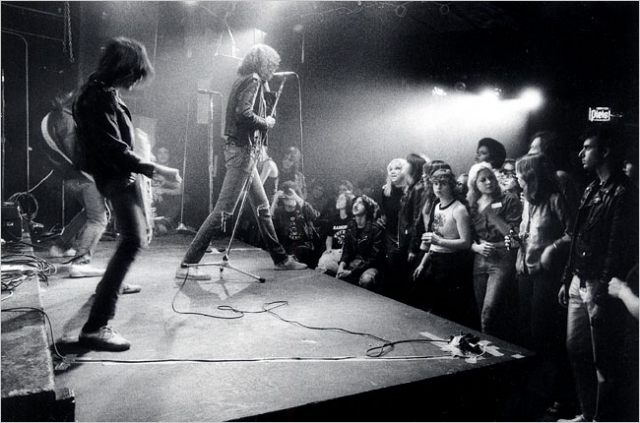
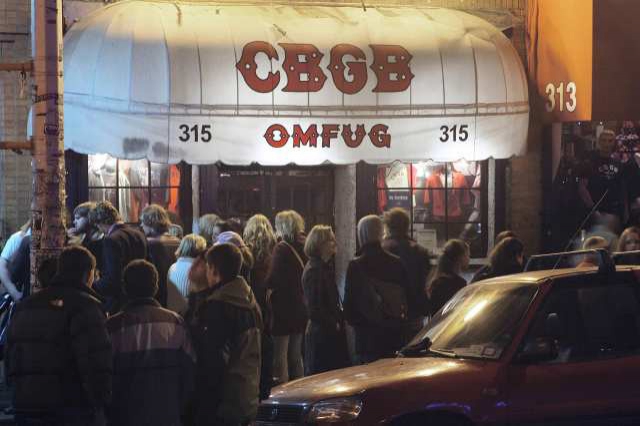
First off, for all those who aren’t familiar with CBGB, it was a legendary live-music club located on New York’s Lower East Side at 315 Bowery at Bleecker Street, which opened in 1973. Owner Hilly Kristal originally intended it to be a hub of country, bluegrass, and blues (hence the name, CBGB), but this was 1973 and instead it turned into a punk-rock and New Wave mecca that helped launch the careers of such luminaries as The Ramones, Talking Heads, Deborah Harry and Blondie, Patti Smith Group, Suicide, Television, and The Cramps. In its latter days it became associated with hardcore acts, including Bad Brains and Cro-Mags, not to mention giants like Guns-n-Roses, Beastie Boys, and The Police.
Things started to go wrong in 2005 when a dispute arose between Kristal and the Bowery Residents Committee, with the latter claiming they were owed over $90,000 in back rent and Kristal countering that he had not been informed about a $19,000 hike in his monthly dues. After the lease expired, an accord of sorts was reached, with Kristal agreeing to abandon his legal battles and the Committee agreeing to grant the club an additional 14-month run while Kristal attempted to have the property recognized as an historic landmark.
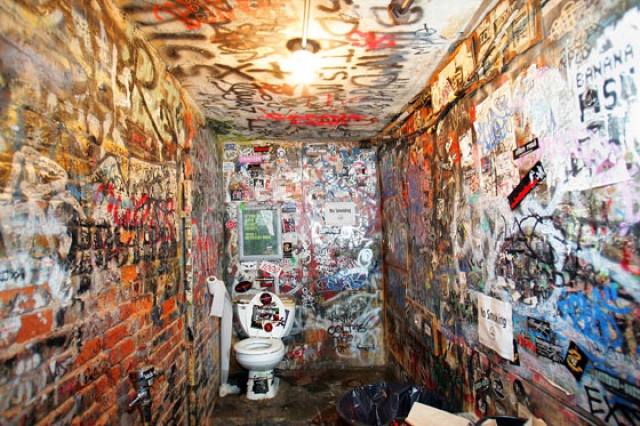
The attempt failed and, with Manhattan rents showing no signs of decreasing, Kristal announced his plan to relocate the entire club – lock, stock, and urinals – to a new venue in Las Vegas, of all places. We saw both downtown – at least vaguely plausible – and what was then Desert Passage, now the Miracle Mile Shops (eh?) – cited as potential venues, but regardless of the location, from the first moment we heard of Kristal’s plan, we were uneasy with the whole concept.
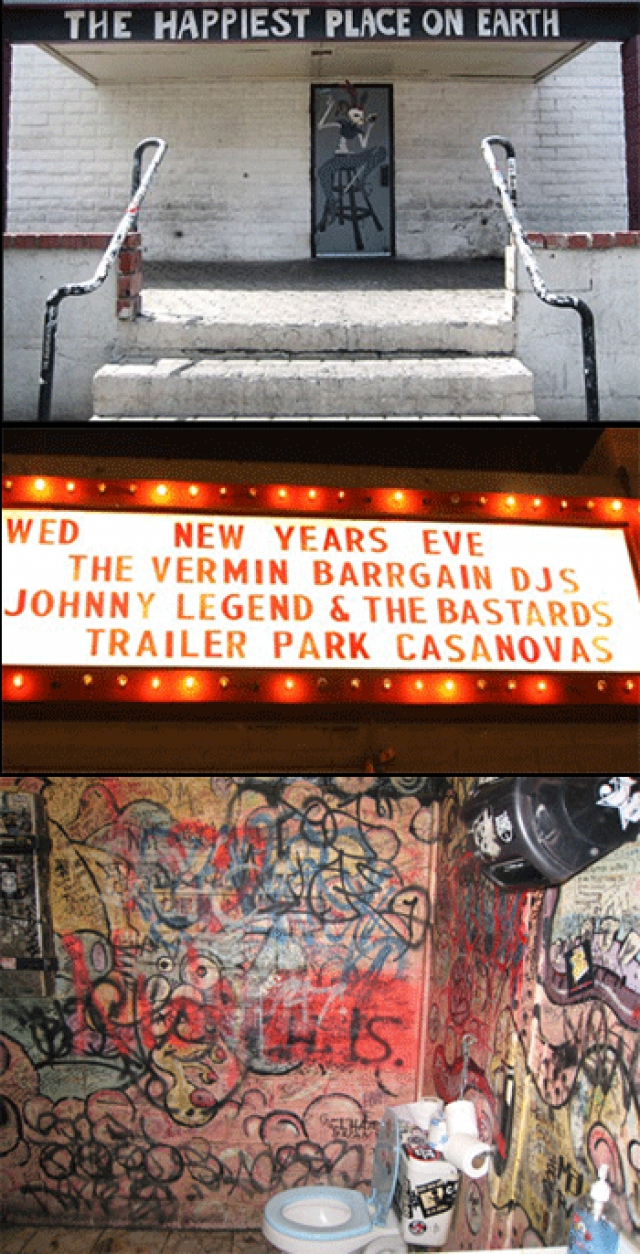
However much of the physical property he was able to preserve and move ("I'll take whatever I can. The movers said, 'You ought to take everything, and auction off what you don't want on eBay.' Why not? Somebody will," he observed), there was a lot more to the club and its ambience and history than the mere bricks and mortar, and we couldn’t help but feel a lot would be lost in transition or else wasted on a majority of the audience into whose midst it was to be transplanted. If LA's Rainbow Bar & Grill, with its much more Vegas-ish rockstar vibe, couldn't make it here, which it didn't, we can't envisage CBGBs having worked. Plus, it would have had to compete with our very own homegrown Double Down Saloon, which already fills that grunge-punk niche -- toilets and all -- and has successfully done the opposite and exported its brand to New York City.
After a full-on farewell week, with performances by Bad Brains, The Dictators, Blondie, and others, the club finally closed its doors on October 15, 2006, with a set performed by Patti Smith and attended by Flea, of the Red Hot Chili Peppers, who celebrated his 44th birthday at midnight and joined Smith on stage. This turned out to be the final curtain on CBGB, because less than a year later Hilly Kristal died of lung cancer, after which erupted the typical rock ‘n roll legal battle over his estate fought out between his ex-wife and daughter, with a bunch of what was left of the money going to creditors, estate taxes, and, of course, the attorneys.
Since Kristal’s death, we’ve heard no further mention of any plans to resurrect his inimitable club, and we can’t help but think that’s for the best. Hilly Kristal and CBGB, R.I.P.